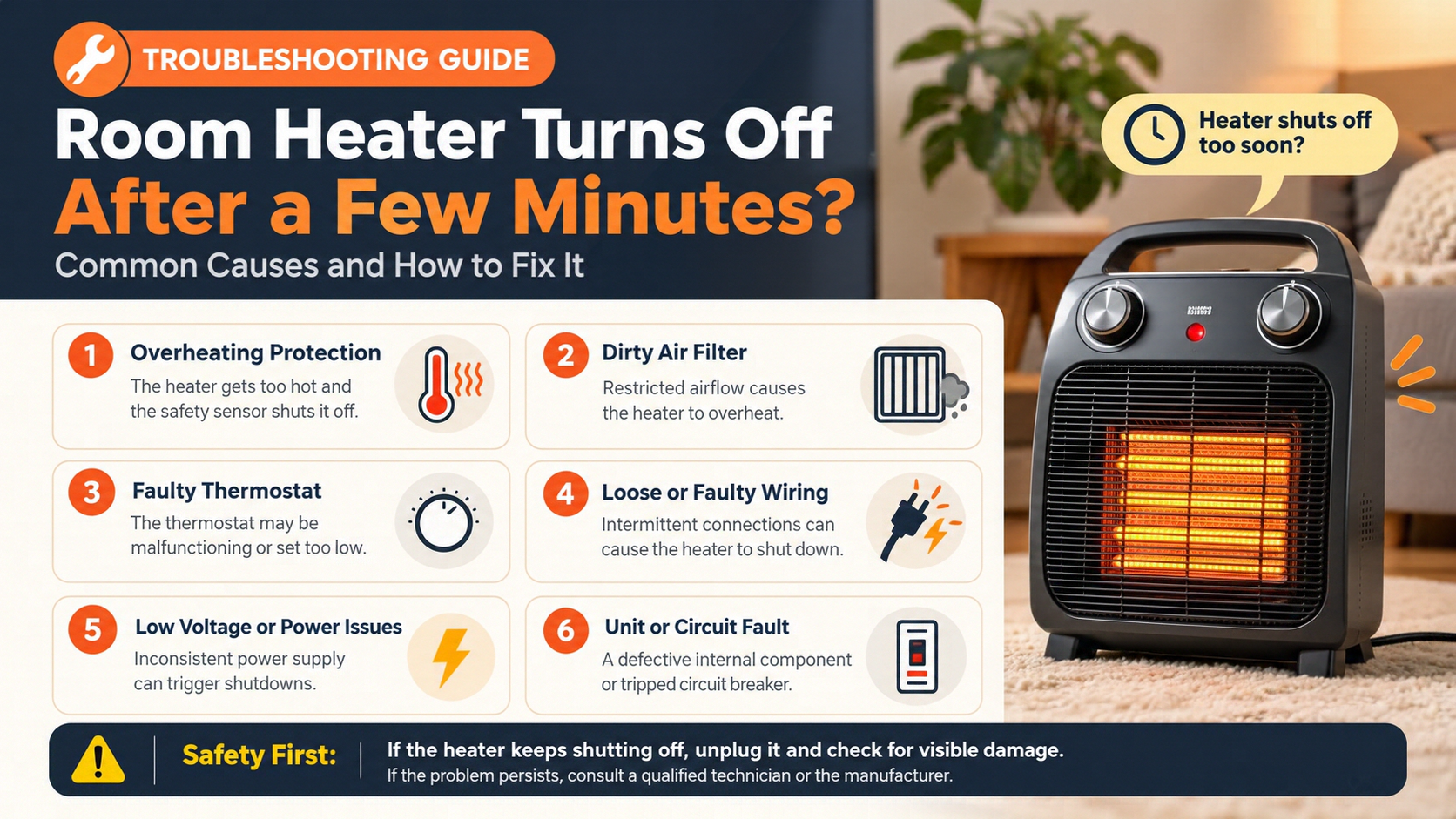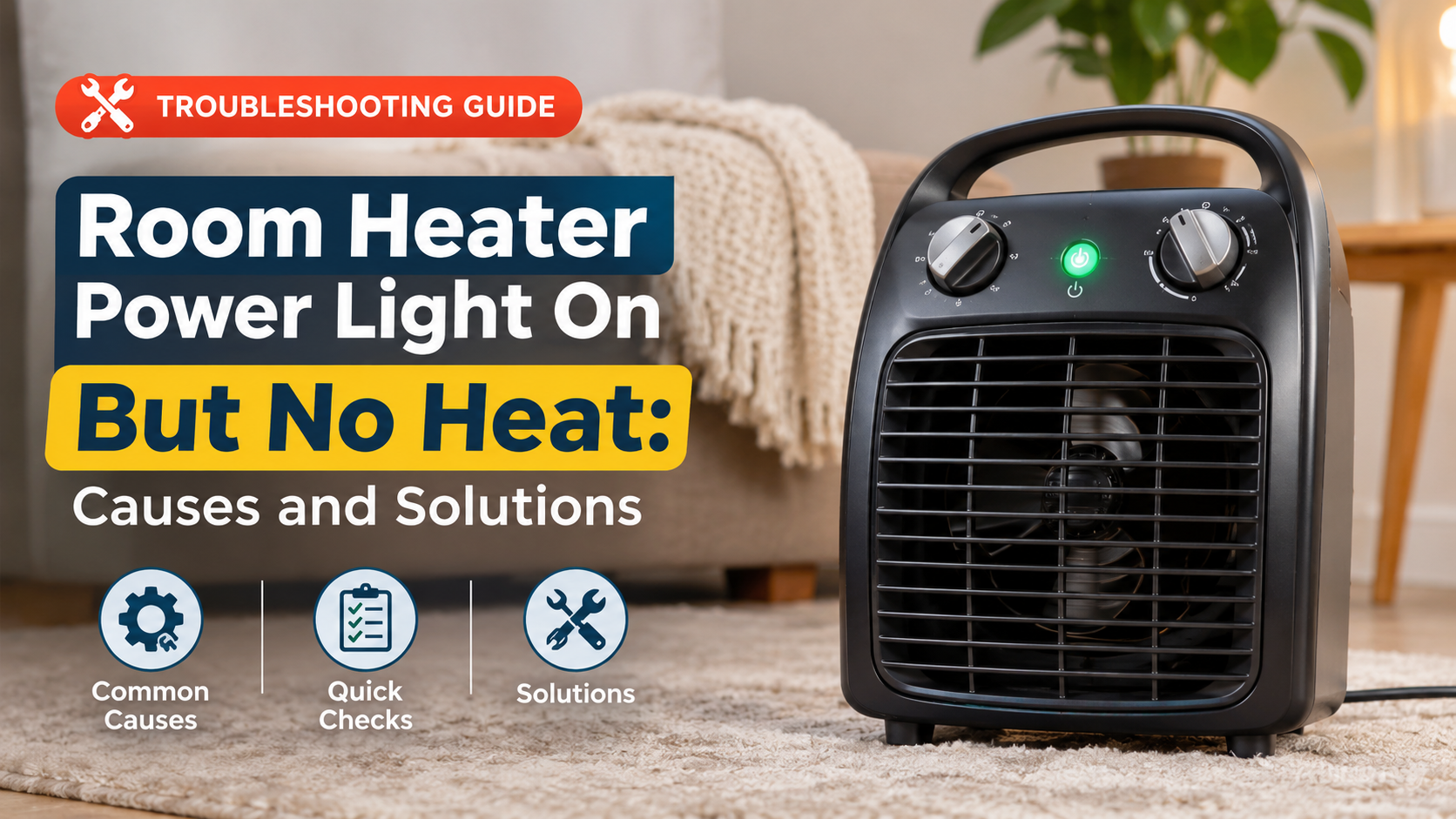



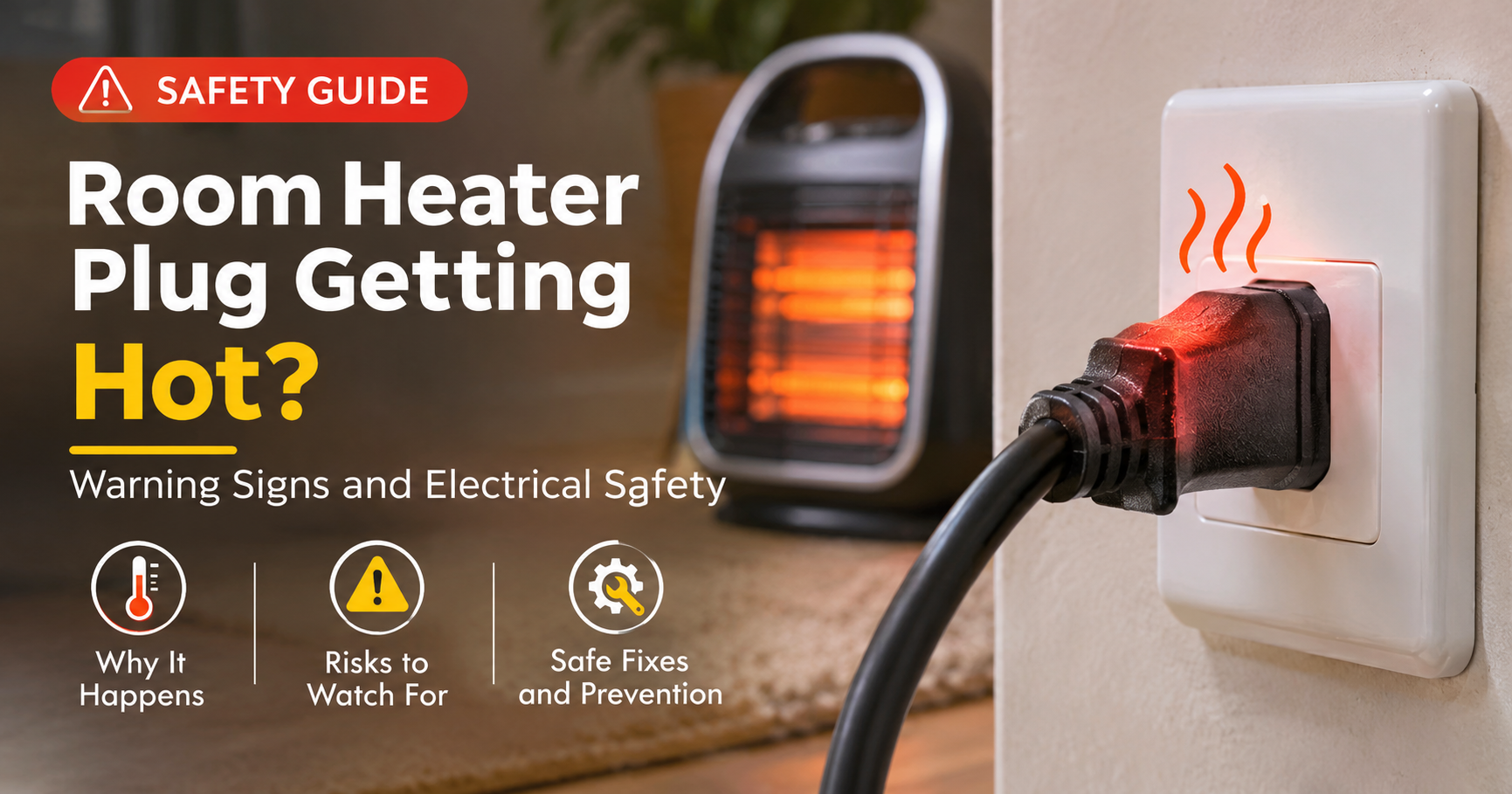

You switch on your room heater on a cold evening, and a while later you notice the plug feels hot. Maybe it is only warm. Maybe it is almost too hot to touch. Either way, a room heater plug getting hot is a warning sign you should never ignore, because overheating at the plug is one of the most common starting points for electrical fires linked to portable heaters.
The good news is that in many cases the cause is simple and fixable. In this complete guide you will learn what is normal, what is dangerous, the most common causes, exactly what to do right now, and how to prevent the problem for good.
Quick Answer: Is It Normal for a Heater Plug to Get Warm?
A heater draws a lot of electricity, so the plug can become slightly warm after hours of use. That can be normal. However, a plug that is hot to the touch, discolored, softened, smelling of burning plastic or buzzing is not normal. It means electrical resistance is building up somewhere in the connection, and that resistance turns into heat.

Why Does a Room Heater Plug Get Hot?
Electric heaters are among the highest-wattage appliances in a home. A typical portable heater uses between 1,000 and 2,000 watts. At 120 volts, a 1,500-watt heater pulls around 12.5 amps. At 230 volts, a 2,000-watt heater pulls roughly 8.7 amps. That is a heavy, continuous load, and any weak point in the path from the wall to the heater will heat up first.
Heat at the plug is created by resistance. When current flows through a poor connection, energy is lost as heat right at that spot. That is why the plug and the outlet are the usual suspects.

1. Loose outlet connection
If the wires behind the outlet are not tightened properly, the connection becomes loose over time. Current then arcs or struggles across a small gap, producing heat. This is one of the most dangerous causes because the problem is hidden inside the wall.
2. Worn outlet contacts
Outlets that have been used for years lose spring tension in the metal contacts. The plug no longer grips tightly, and the loose fit creates resistance. If the plug wiggles or slides out easily, the outlet is likely worn.
3. Extension cords and power strips
This is the number one mistake. Most extension cords and power strips are not designed for the continuous high load of a heater. Thin wires and extra connection points create multiple places for heat to build up. Many manufacturers clearly state that heaters must be plugged directly into a wall outlet.
4. Damaged, bent or dirty plug prongs
Bent prongs, pitting, black marks or corrosion reduce the contact area between the plug and the outlet. Less contact means more resistance and more heat.
5. Overloaded circuit
If the heater shares a circuit with other appliances such as a kettle, iron, microwave or air conditioner, the combined load can exceed what the wiring and outlet can safely handle. Even if the breaker has not tripped, the outlet and plug may run very hot.
6. Dust, corrosion or moisture
Dust, humidity and rust inside the outlet or on the plug increase resistance. This is more common in damp rooms, older buildings and outlets that have not been inspected for years.
7. A damaged or undersized power cord
If the heater cord is frayed, pinched, kinked or too thin for the heater wattage, it can heat up along its length and at the plug where the wires are joined.
8. Old or poor-quality wiring
Older homes may have aging wiring, aluminum wiring or outlets installed with loose push-in connections. These can degrade over time and cause overheating even with a good plug.
9. A faulty heater
Sometimes the heater itself is the problem. An internal fault can draw more current than it should. If the plug gets hot on several different outlets, suspect the heater or its cord.
Is a Hot Heater Plug Dangerous?
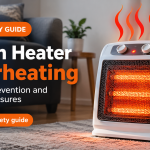
Yes, it can be. Sustained overheating can melt the plug housing and the outlet, damage wire insulation and cause arcing, which can ignite nearby materials such as curtains, bedding, carpets and furniture. Fire safety organizations consistently list heating equipment among the leading causes of home fires, and portable space heaters account for a large share of those incidents.
Treat these signs as an emergency:
- A burning or melting plastic smell
- Brown or black discoloration on the plug or outlet
- Warped, soft or melted plastic
- Buzzing, crackling or sizzling sounds
- Sparks when plugging in or unplugging
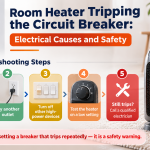
- A breaker that trips repeatedly
- Flickering lights when the heater turns on
What To Do Right Now If Your Heater Plug Is Hot
- Switch the heater off using its power switch.
- Unplug it carefully. If the plug is too hot to touch, switch off the breaker for that circuit first, then unplug once it cools.
- Let everything cool down completely before you touch or inspect anything.
- Inspect the plug and cord. Look for discoloration, melted spots, bent prongs and cracked insulation.
- Inspect the outlet. Look for scorch marks or a loose fit. Do not open the outlet unless you are qualified.
- Do not use the heater again until you know the cause, especially if you see any damage.
How To Fix a Heater Plug That Keeps Getting Hot
Plug straight into the wall
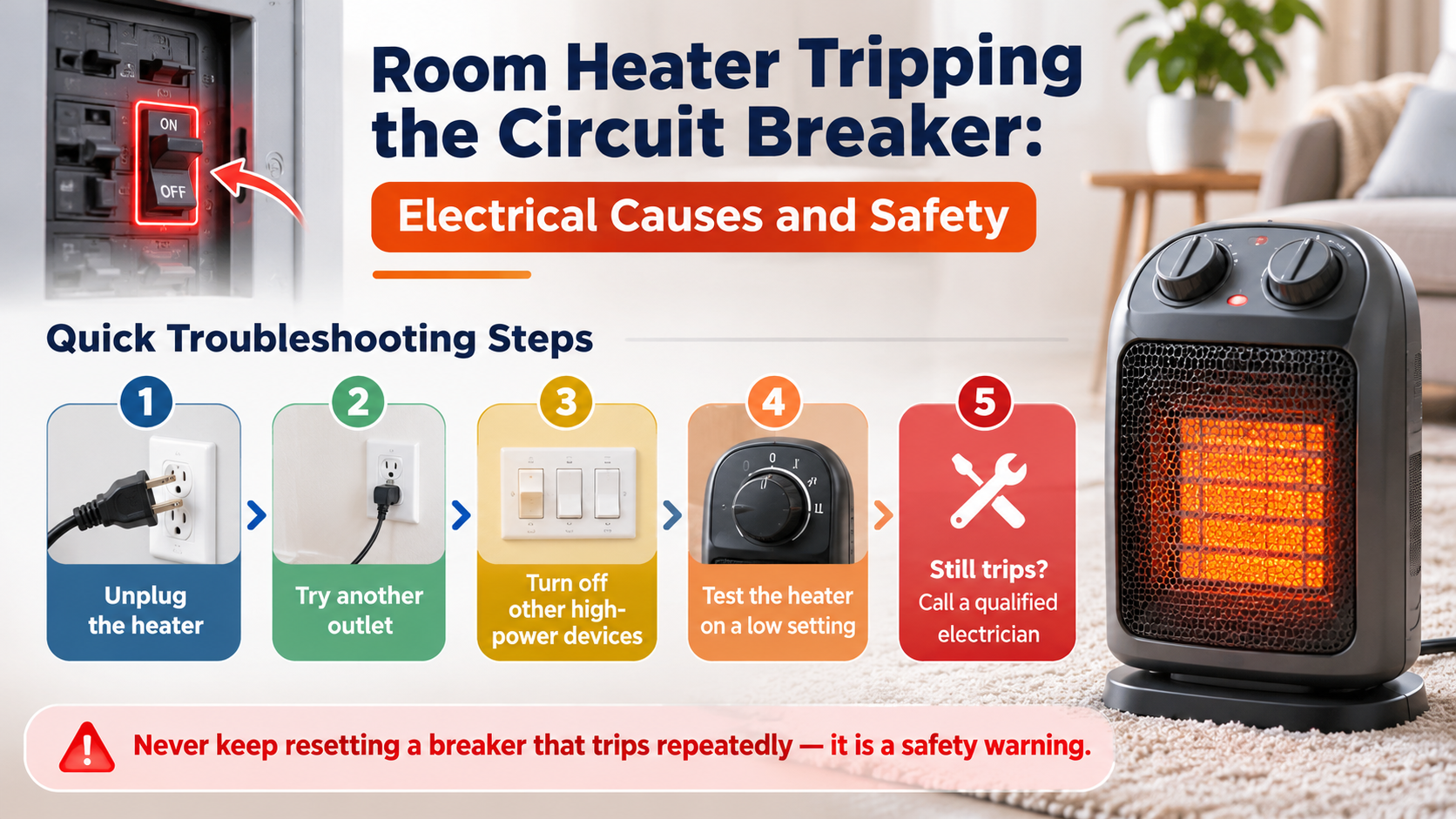
Remove any extension cord or power strip. Connect the heater directly to a wall outlet. For many people, this single change solves the problem.
Try a different outlet on a different circuit
If the plug stays cool on another outlet, the first outlet is probably worn or loose. Stop using the original outlet for heavy appliances and have it checked.
Stop sharing the circuit
Run the heater alone on its circuit. Do not use it at the same time as other high-power appliances on the same line.
Replace a damaged plug or cord
If the heater plug is damaged, do not tape it or attempt a quick repair. Have the cord replaced by a qualified technician, or replace the heater if it is out of warranty or the damage is severe.
Call a licensed electrician
If the outlet is scorched, loose or hot even with a healthy heater, call a licensed electrician. They can tighten or replace the outlet, inspect the wiring and, if needed, install a dedicated circuit suited to heavy loads. This is not a do-it-yourself job unless you are trained, because mistakes inside a live outlet are dangerous.
Safe Room Heater Setup Checklist

- Plug the heater directly into a wall outlet, never into an extension cord or multi-plug.
- Keep the heater at least three feet (about one meter) away from curtains, beds, sofas and papers.
- Place it on a flat, hard surface, never on carpet, a bed or a table that can tip.
- Do not run the cord under rugs or furniture.
- Check the plug and outlet by touch and by sight each week during heating season.
- Never leave a heater running while you sleep or when the room is empty, unless it is designed for that and has proper safety features.
- Keep children and pets away from the heater.
- Test your smoke alarm and, if you use fuel-based heating anywhere, your carbon monoxide alarm.
What To Look For When Buying a Safer Room Heater
If your current heater is old, damaged or keeps overheating the plug, replacing it may be the smartest and safest decision. Here are the features that matter most.
Tip-over protection
An automatic switch cuts power if the heater is knocked over. This is essential in homes with children or pets.
Overheat protection
A built-in thermal cut-off shuts the heater down when internal temperatures get too high.
Adjustable thermostat
A thermostat lets the heater cycle on and off to maintain a set temperature, which reduces continuous load and saves energy.
Multiple power settings
Models with low, medium and high settings let you use less power when you do not need maximum heat, which lowers stress on the plug and outlet.
Thick, well-built cord and sturdy plug
Choose a heater with a heavy-gauge cord and a solid plug that fits snugly. Flimsy, thin cords are a red flag.
Recognized safety certification
Look for a mark from a recognized testing laboratory or national standards body on the product and packaging. Avoid unbranded heaters with no safety markings.
The right type for your room
- Ceramic heaters: fast, compact and good for small rooms.
- Oil-filled radiator heaters: slower to start but give steady, even warmth and stay warm after switching off.
- Fan heaters: inexpensive and quick, but can be noisy.
- Infrared and panel heaters: heat people and objects directly, useful for spot heating.
Helpful extras worth considering
- A heavy-duty wall-mounted outlet or a dedicated heater socket installed by an electrician
- A plug-in outlet tester to check for wiring faults
- A smoke alarm for the room where you use the heater
- A programmable timer or thermostat control to avoid all-night running
Frequently Asked Questions
Why does my room heater plug get hot but the heater works fine?
The heater may be working normally while the plug or outlet has a poor connection. The extra resistance heats the plug without affecting how the heater performs. Heat at the plug is a connection problem, not a heater performance problem.
How hot should a heater plug get?
It can be mildly warm, but you should be able to hold your hand on it comfortably. If it is too hot to hold, stop using it and investigate.
Can I use an extension cord with a room heater?
It is strongly discouraged. Most heater manufacturers recommend plugging directly into the wall. If you absolutely must use one, it should be a heavy-duty cord rated well above the heater wattage, fully uncoiled and as short as possible, but a direct wall connection is always safer.
Why is the outlet hot as well as the plug?
A hot outlet usually points to a loose wire connection behind it, worn contacts or an overloaded circuit. Stop using the outlet and call an electrician.
My plug smells like burning plastic. What should I do?
Switch off the heater, turn off the breaker, unplug once the plug has cooled and do not use it again until a professional has checked the plug, cord and outlet.
Can a hot plug cause a fire?
Yes. Prolonged overheating can melt insulation, damage the outlet and ignite nearby flammable materials. That is why a hot plug should always be taken seriously.
Should I replace the plug myself?
Only if you are trained and the heater is not under warranty. For most people, replacing a heater cord or plug is best left to a qualified technician, and a heater with serious damage is often safer to replace.
How often should I check my heater plug?
Check it every time you use the heater for the first few days, then at least weekly during the heating season. Feel for heat and look for discoloration.
Final Thoughts
A room heater plug getting hot is your early warning system. Slight warmth after long use can be acceptable, but a hot, discolored, smelly or noisy plug means something is wrong. Unplug the heater, plug it directly into a healthy wall outlet, avoid sharing the circuit, and call a licensed electrician if the problem continues.
Staying warm should never come at the cost of your safety. Take a minute to inspect your plug today, choose a heater with modern safety features, and keep your home and family protected all winter long.
Disclaimer: This article is for general information only and does not replace advice from a licensed electrician. Always follow the manufacturer instructions for your heater and consult a qualified professional for any electrical repair.