

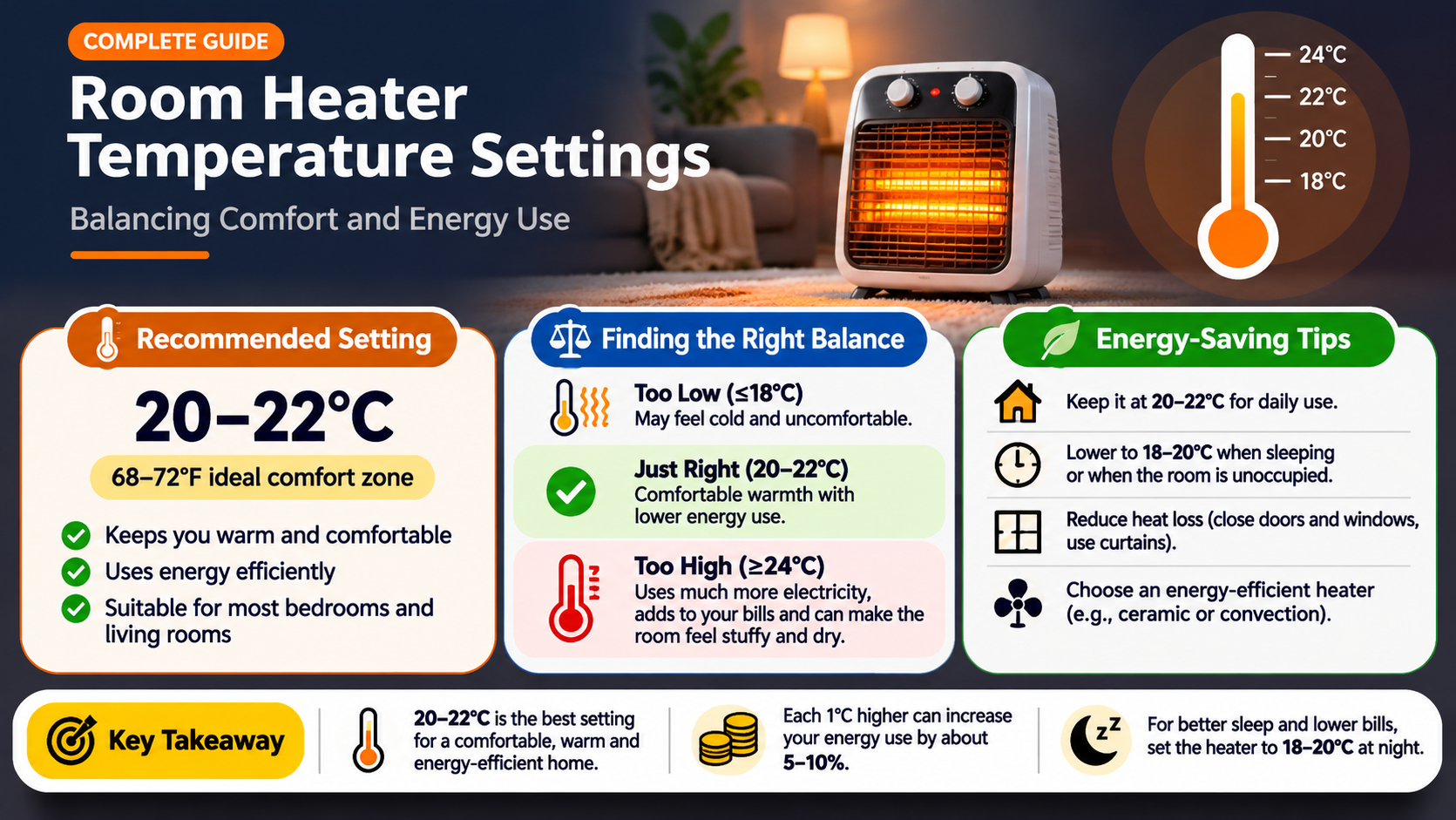
Choosing the best room heater temperature setting is about more than comfort. Set it too low and you shiver; set it too high and your electricity bill climbs while the air turns dry and stuffy. This guide gives you exact temperatures for every room and situation, explains what the Low, Medium and High dial positions really mean, and shares practical tips to stay warm safely for less money.
- Ideal temperature by room and person
- How to read heater dial settings
- Choosing the right wattage for your room
- Best settings by heater type
- Saving energy without feeling cold
- Safety rules
- Common mistakes
- What to look for when buying
- FAQ
1. Ideal Temperature by Room and Person
Health bodies generally suggest keeping living spaces at around 18°C (64°F) at minimum, while most people feel comfortable between 20°C and 22°C. Your ideal point depends on who is in the room and what they are doing.
| Room / Situation | Recommended Setting |
|---|---|
| Living room (awake, relaxing) | 20–22°C (68–72°F) |
| Bedroom (sleeping) | 16–18°C (61–64°F) |
| Baby or nursery | 18–20°C (64–68°F) |
| Older adults or cold-sensitive people | 21–23°C (70–73°F) |
| Home office | 20–21°C (68–70°F) |
| Bathroom (short use) | 22–24°C (72–75°F) |
| Away from home or unused room | Off, or about 15°C (59°F) to prevent damp |
Cooler sleeping rooms help most people fall asleep faster, but add warm bedding rather than turning the heater up overnight.
2. How to Read Heater Dial Settings
Many heaters have a plain 1-2-3 or Low-Medium-High switch plus a thermostat knob. The two work differently: the power switch controls how fast the heater warms the room (wattage), while the thermostat controls when it switches off (temperature).
- Low (about 500–800W): maintenance heating once the room is warm.
- Medium (about 1000–1200W): steady heating for small and medium rooms.
- High (about 1500–2000W): fast warm-up. Switch down once you reach your target.
- Thermostat knob: start in the middle, wait 20–30 minutes, then adjust. If there are no numbers, a mid position usually lands near 20°C.
- Eco / Auto mode: holds your chosen temperature automatically and saves the most energy.
3. Choosing the Right Wattage for Your Room
A common rule of thumb is about 10 watts per square foot (roughly 100W per square metre) of floor area with standard ceilings. A heater that is too small runs nonstop and never reaches your target; one that is too large wastes power by cycling hard.
Poor insulation, large windows or very high ceilings can mean you need 20–30% more power than the chart suggests.
4. Best Settings by Heater Type
| Heater Type | Best Use | Setting Tip |
|---|---|---|
| Ceramic fan heater | Fast warmth in small rooms | High to warm up, then Low with thermostat at 20–21°C |
| Oil-filled radiator | Bedrooms, long hours | Medium, thermostat at 18–20°C; heats slowly but holds heat |
| Infrared / radiant | Spot heating, garages | Point at people, not the air; low temperature setting works well |
| Convection panel | Whole-room even heat | Use timer and 20°C thermostat |
| Halogen heater | Short bursts only | Lowest power that feels comfortable; high running cost |
5. Saving Energy Without Feeling Cold
A heater uses electricity in proportion to wattage and time. A 1500W heater running for one hour uses 1.5 kWh. Every degree you avoid heating costs money, and lowering the thermostat by a single degree typically trims heating use by a few percent.
- Heat the room you use. Close doors and heat one space instead of the whole home.
- Use a timer. Warm the room 30 minutes before you arrive or go to bed.
- Block drafts. Door seals, thick curtains and window film keep warm air in.
- Dress for it. A sweater and socks let you drop the setting by 1–2°C.
- Place it smartly. Keep it away from walls, furniture and cold windows, but on a flat, stable surface.
- Keep air moist. Slightly humid air (40–50%) feels warmer than dry air at the same temperature.
6. Safety Rules for Any Temperature Setting
A high setting is not the only risk. Heater placement and habits matter just as much.
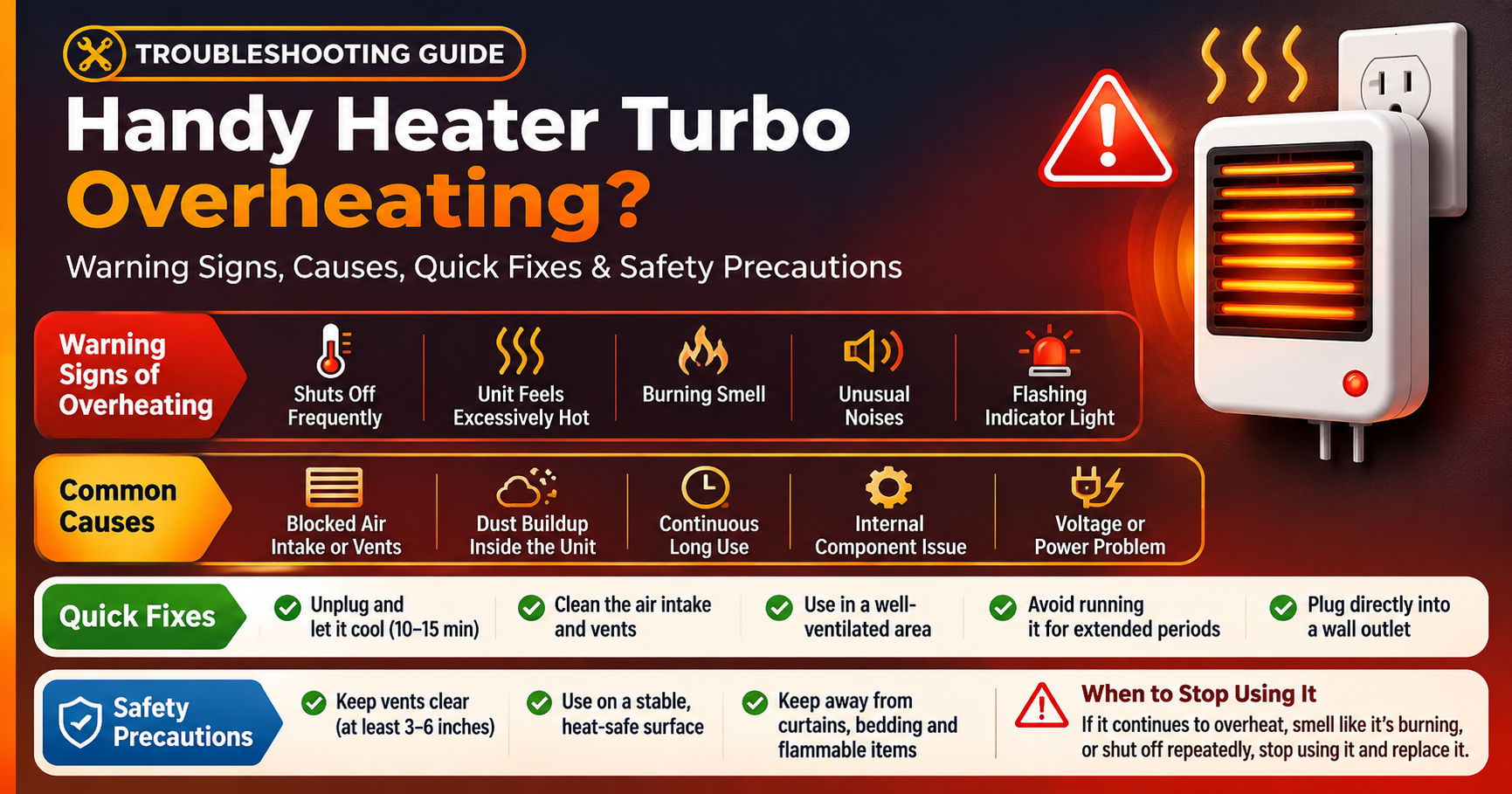
- Keep at least 3 feet (90 cm) of clear space around the heater.
- Plug directly into a wall socket.
- Test smoke alarms regularly and keep rooms ventilated.
- Choose heaters with tip-over shutoff and overheat protection.
- Keep children and pets away from hot surfaces; oil-filled and panel models stay cooler to the touch.
7. Common Mistakes to Avoid
- Setting it to maximum “to heat faster.” The room warms at the same speed; you only overshoot and waste power.
- Turning it on and off repeatedly. Steady low heating with a thermostat is cheaper than constant restarts.
- Ignoring room size. Mismatched wattage causes either poor heating or high bills.
- Overheating bedrooms. Above 24°C, sleep quality often drops.
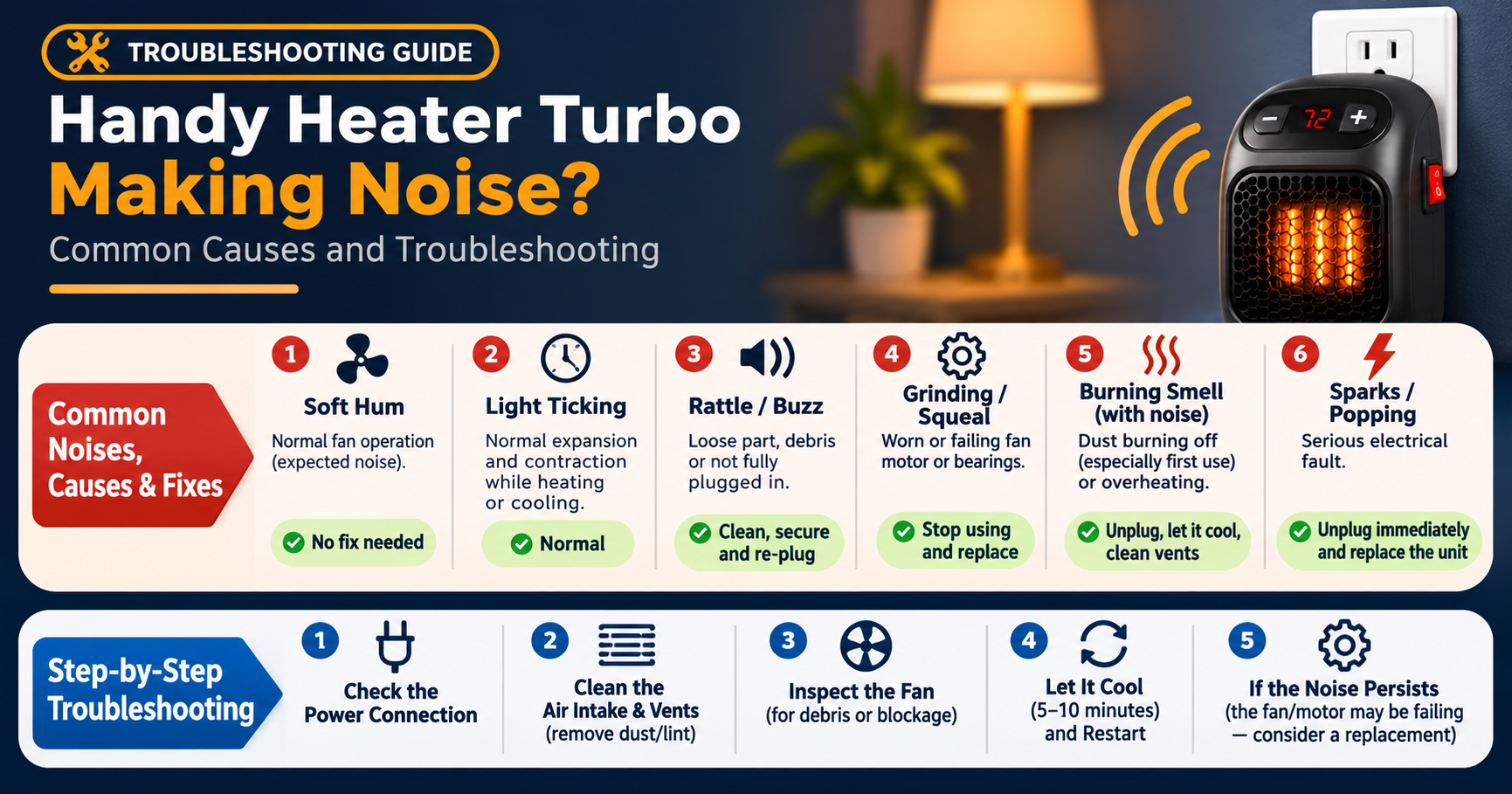
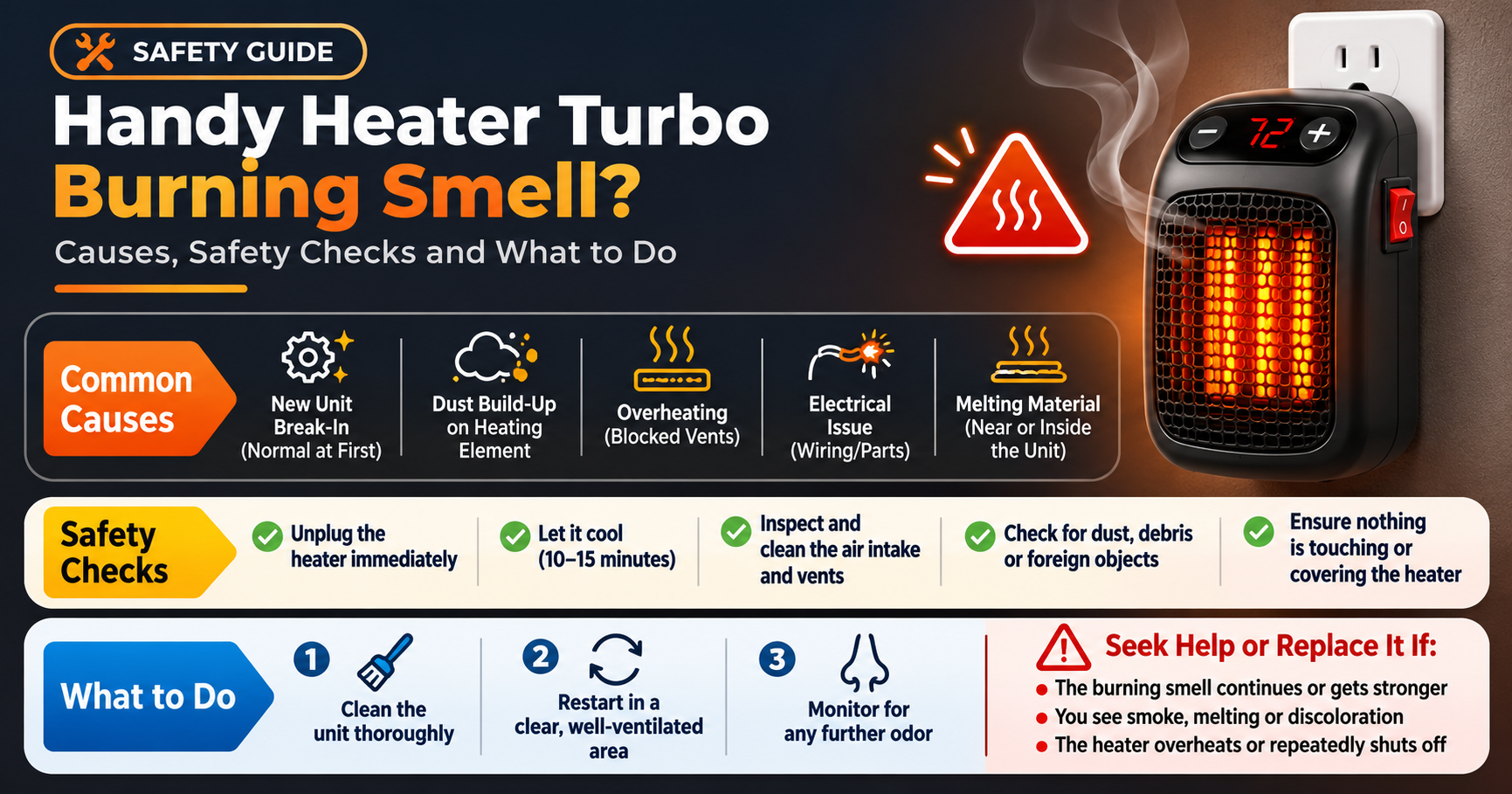
- Forgetting maintenance. Dust on fans and grills reduces performance and can smell when heated.
8. What to Look for When Buying a Room Heater
- Adjustable thermostat with clear temperature markings or a digital display
- Multiple power levels and an Eco mode
- Tip-over and overheat protection
- Timer or remote control
- Wattage matched to your room size
- Low noise rating for bedrooms
- Safety certification marks from a recognised standards body
- Easy-to-clean filter or grill
9. Frequently Asked Questions
What is the best room heater temperature for sleeping?
Most sleep experts suggest 16–18°C (61–64°F). Use warm bedding and a timer instead of running the heater all night.
Is 25°C too hot for a room heater setting?
For most healthy adults, yes. It wastes energy and can dry the air. Reserve 23–24°C for short use in bathrooms or for very cold-sensitive people.
Should I leave the heater on all day?
No. Use a timer or thermostat and heat only when the room is occupied. Unattended heaters are a fire risk.
Does a higher setting heat the room faster?
Only the power level (High wattage) speeds up warming. A higher thermostat number simply raises the target temperature.
What is the ideal baby room temperature with a heater?
Aim for 18–20°C (64–68°F), keep the heater well out of reach, and follow your pediatrician’s guidance.
Which heater is cheapest to run?
All electric heaters convert nearly all power to heat, so cost depends mainly on wattage and hours used. Oil-filled and panel heaters with good thermostats tend to use less energy over long periods, while infrared suits spot heating.
Conclusion
The best room heater temperature setting is 20–22°C (68–72°F) for daytime comfort and 16–18°C (61–64°F) for sleep, adjusted for babies, older adults and your insulation. Match the wattage to your room, use the thermostat and timer, keep a safe clearance, and you will stay warm while keeping bills under control.
Disclaimer: This article is for general information. Follow your heater manufacturer’s manual and local safety guidance.