
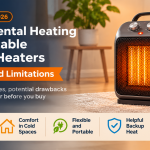
Portable Electric Heater for Supplemental Heating: The Complete Buying Guide

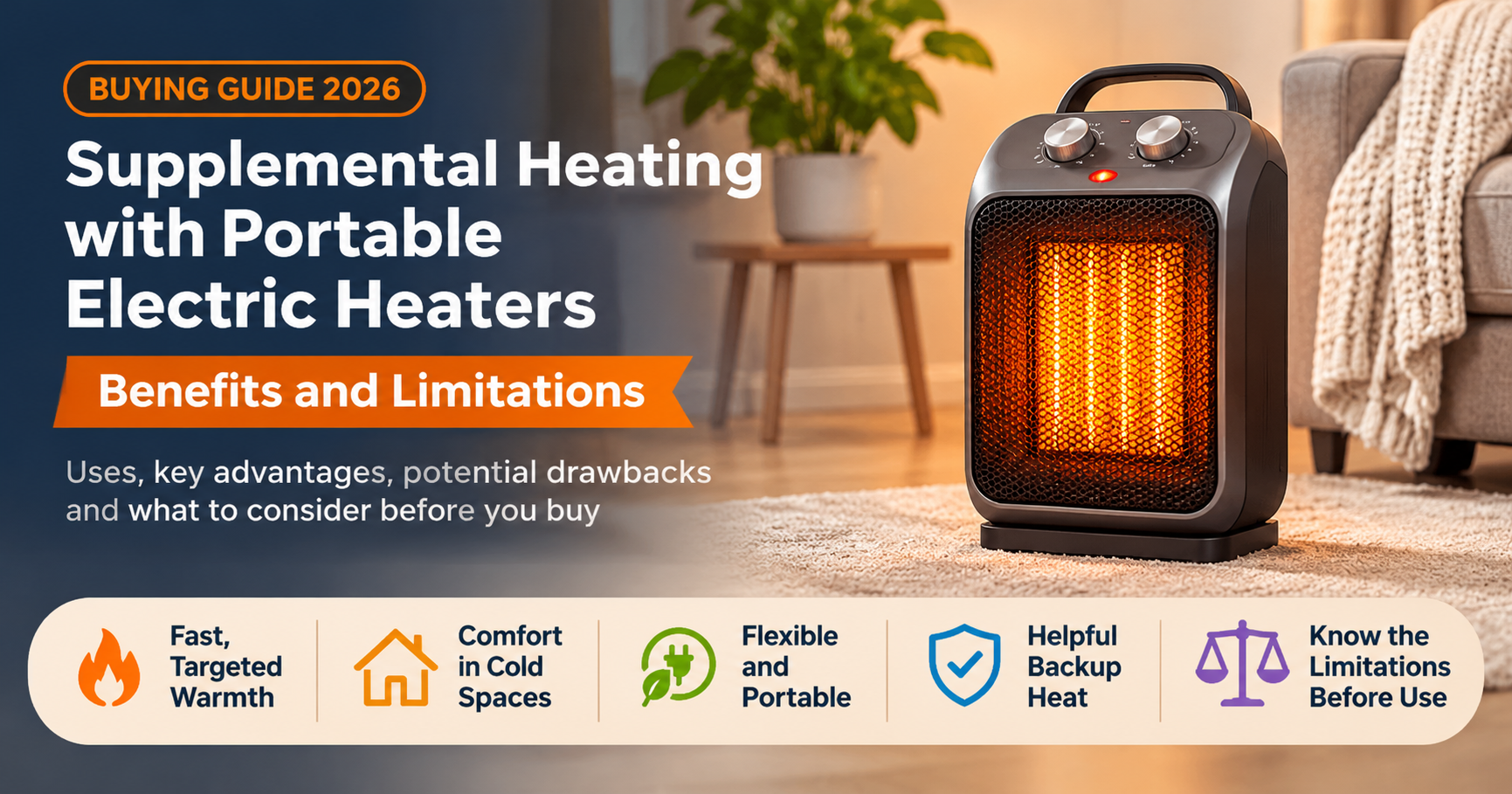
When your central heating cannot keep one cold room comfortable, or you simply want to lower the thermostat without freezing, a portable electric heater for supplemental heating is one of the most practical solutions available. These compact units plug into a standard outlet, warm up quickly, and let you heat only the room you are using instead of the whole house.
In this guide you will learn how supplemental heating works, which heater types suit which situations, how to size a heater correctly, what it costs to run, the safety rules that matter, and the key features to look for before you buy.
Table of Contents
- What Is Supplemental Heating?
- Why Use a Portable Electric Heater?
- Types of Portable Electric Heaters
- How to Choose the Right Size
- Running Costs Explained
- Must-Have Features
- Safety Checklist
- Where to Place Your Heater
- Maintenance Tips
- Frequently Asked Questions
- Final Verdict
What Is Supplemental Heating?
Supplemental heating means adding a secondary heat source to boost comfort in a specific area while your main system keeps running at a lower setting. Common situations include:
- A bedroom or home office that is always colder than the rest of the house
- A basement, garage, or workshop with poor insulation
- A sunroom or converted attic
- An older home where heat does not reach every corner evenly
- Remote workers who sit in one spot for hours
The idea is zone heating: warm the person and the room in use rather than paying to heat empty space.
Why Use a Portable Electric Heater?
1. Easy and Instant Setup
No installation, ductwork, or fuel storage is needed. You plug it in, choose a setting, and it starts working within minutes.
2. Targeted Warmth
Because you control exactly where the heat goes, comfort improves in the places you spend your time.
3. Clean Operation
Electric heaters produce no combustion fumes at the point of use, so they do not release carbon monoxide the way fuel-burning appliances can.
4. Portability
Most models weigh only a few pounds and include a carry handle, so you can move them from room to room.
5. Lower Upfront Cost
Compared with installing a new heating system, a portable unit is a small investment that can pay for itself during a single cold season.
Types of Portable Electric Heaters
Not all heaters work the same way. Understanding the main technologies helps you match the heater to the job.

Ceramic Fan Heaters
A ceramic element heats up fast and a built-in fan pushes warm air into the room. They are compact, affordable, and excellent for small spaces. The trade-off is fan noise and heat that fades quickly once the unit shuts off. Many models include an oscillation feature to spread warmth more evenly.
Best for: home offices, bathrooms (if rated for it), small bedrooms, and under-desk use.
Oil-Filled Radiator Heaters
These contain sealed diathermic oil that is heated electrically. The oil retains heat, so the radiator keeps radiating warmth even after the thermostat cycles off. They are almost silent and give gentle, even heat.
Best for: bedrooms, nurseries (placed safely out of reach), and rooms where you want steady background warmth for hours. They take longer to warm up and are heavier than other types.
Infrared (Radiant) Heaters
Infrared heaters warm objects and people directly rather than heating the air. That makes them effective in drafty or semi-open spaces where air heating would be wasted.
Best for: garages, workshops, patios (if rated for outdoor use), and spot heating at a desk or seating area.
Micathermic Panel Heaters
Combining convection and radiant heat, these slim panel units warm quickly and run quietly. They are lighter than oil-filled models and often wall-mountable.
Best for: living rooms and shared spaces where you want a balance of speed and quiet.
Quick Comparison Table
| Type | Heat-Up Speed | Noise | Heat Retention | Ideal Space |
|---|---|---|---|---|
| Ceramic Fan | Very fast | Medium | Low | Small rooms |
| Oil-Filled | Slow | Very low | High | Bedrooms |
| Infrared | Instant (direct) | Silent | Low | Spot heating |
| Micathermic | Fast | Low | Medium | Living rooms |
How to Choose the Right Size
The most common buying mistake is choosing a heater that is too weak for the room. A simple rule of thumb is 10 watts of heating power per square foot of floor area. Multiply your room length by width, then multiply by 10.
For example, a 12 ft x 12 ft room is 144 sq ft, so you need roughly 1,440 watts. A 1,500-watt heater fits that space well.

Keep in mind that poor insulation, high ceilings, large windows, and cold floors increase the heat required. If your room has these challenges, size up or add rugs, draft stoppers, and thick curtains to hold in warmth.
Also note that most standard household outlets and circuits are designed for about 1,500 watts on a single appliance. Higher power from a single plug-in heater is generally not available in standard models, so for bigger spaces use zoned heating or improve insulation rather than looking for a stronger plug-in unit.
Running Costs Explained
A heater converts nearly all the electricity it uses into heat, so running cost depends on its wattage, how many hours you use it, and your local electricity rate.

Formula: (Watts / 1000) x hours used x price per kWh = cost.
A 1,500-watt heater uses 1.5 kWh per hour at full power. Thermostat-controlled models cycle on and off, so real-world consumption is often lower than running continuously. To save money:
- Use the thermostat instead of leaving the heater on high all day
- Choose a model with an adjustable power setting such as low, medium and high
- Close the door of the room being heated
- Seal gaps around windows and doors
- Lower the main thermostat a few degrees while using the heater in your main living space
Must-Have Features to Look For
- Adjustable thermostat: keeps temperature steady and prevents wasted energy.
- Tip-over protection: shuts the heater off automatically if knocked over.
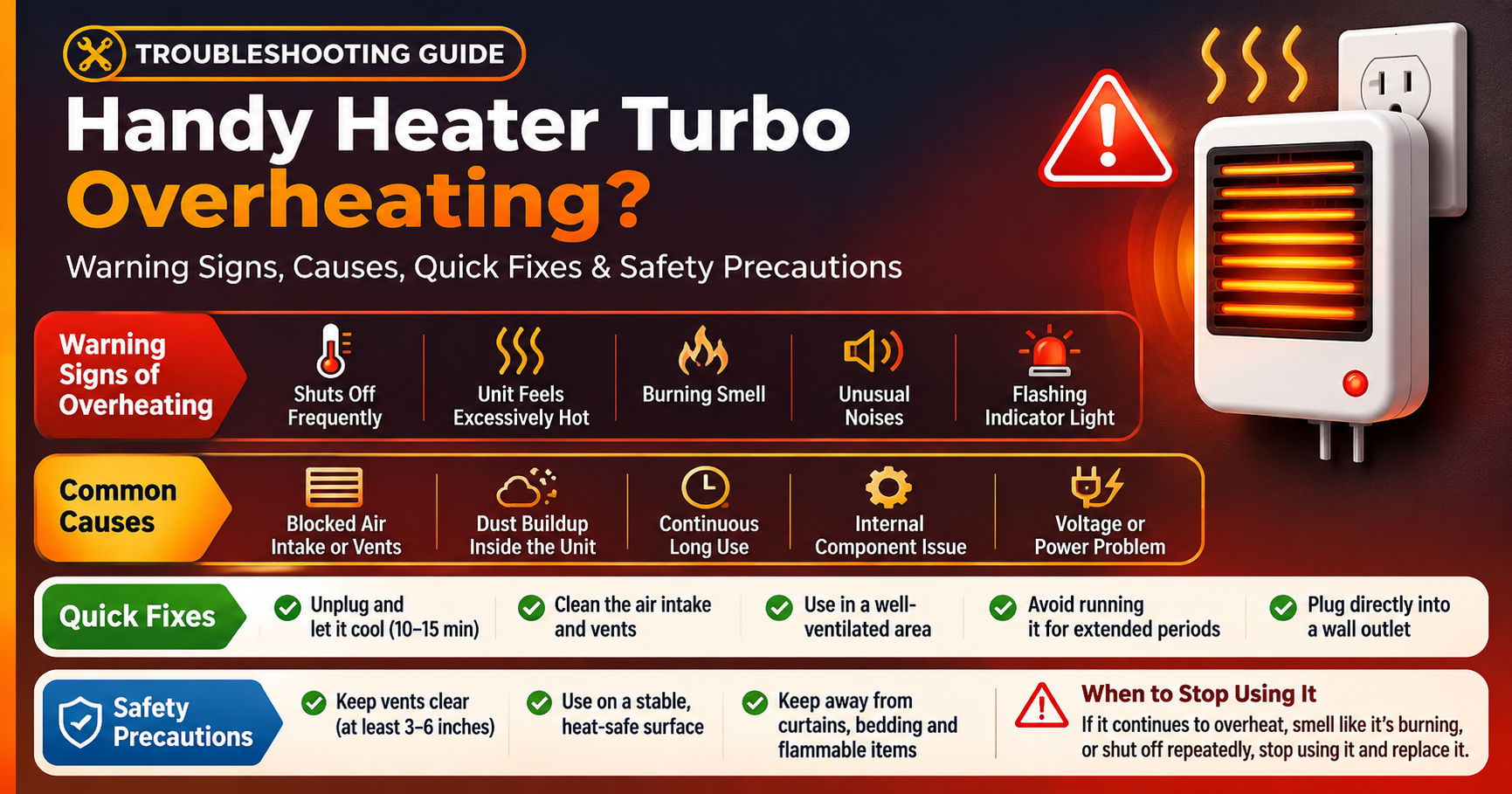
- Overheat protection: cuts power if internal temperatures get too high.
- Multiple heat settings: gives you control over comfort and cost.
- Timer: prevents the heater from running longer than needed.
- Cool-touch housing: reduces burn risk, especially in homes with kids or pets.
- Remote control: convenient for bedrooms and living rooms.
- Quiet operation: look for low decibel ratings if noise bothers you.
- Safety certification: check that the product carries a recognized testing mark for your region.
- Carry handle and cord storage: make moving and storing easier.
Portable Electric Heater Safety Checklist
Space heaters are a leading cause of home heating fires when used incorrectly, so safe habits are essential.

- Plug directly into a wall outlet. Avoid power strips and most extension cords, which can overheat with high-wattage loads.
- Keep at least 3 feet (about 1 meter) of clearance around the heater from curtains, bedding, furniture, and papers.
- Place it on a flat, stable, hard surface. Never put it on a bed, couch, or thick carpet edge where it can tip.
- Never cover the heater or use it to dry clothes.
- Turn it off when leaving the room or going out of the house.
- Keep children and pets away. Teach kids the heater is not a toy.
- Inspect the cord and plug regularly. A plug that feels hot or a frayed cord means you should stop using the heater immediately.
- Keep smoke alarms working and test them monthly.
- Avoid wet areas unless the heater is specifically rated for bathroom use.
Where to Place Your Heater for Best Results
Placement affects comfort as much as wattage does.
- Near the cold source: placing a heater near a cold window or exterior wall counters the chill before it spreads.
- Away from the thermostat: if your main thermostat is in the same room, a nearby heater may trick it into shutting off the central system too early.
- Low position: warm air rises, so floor-level placement helps circulate heat naturally.
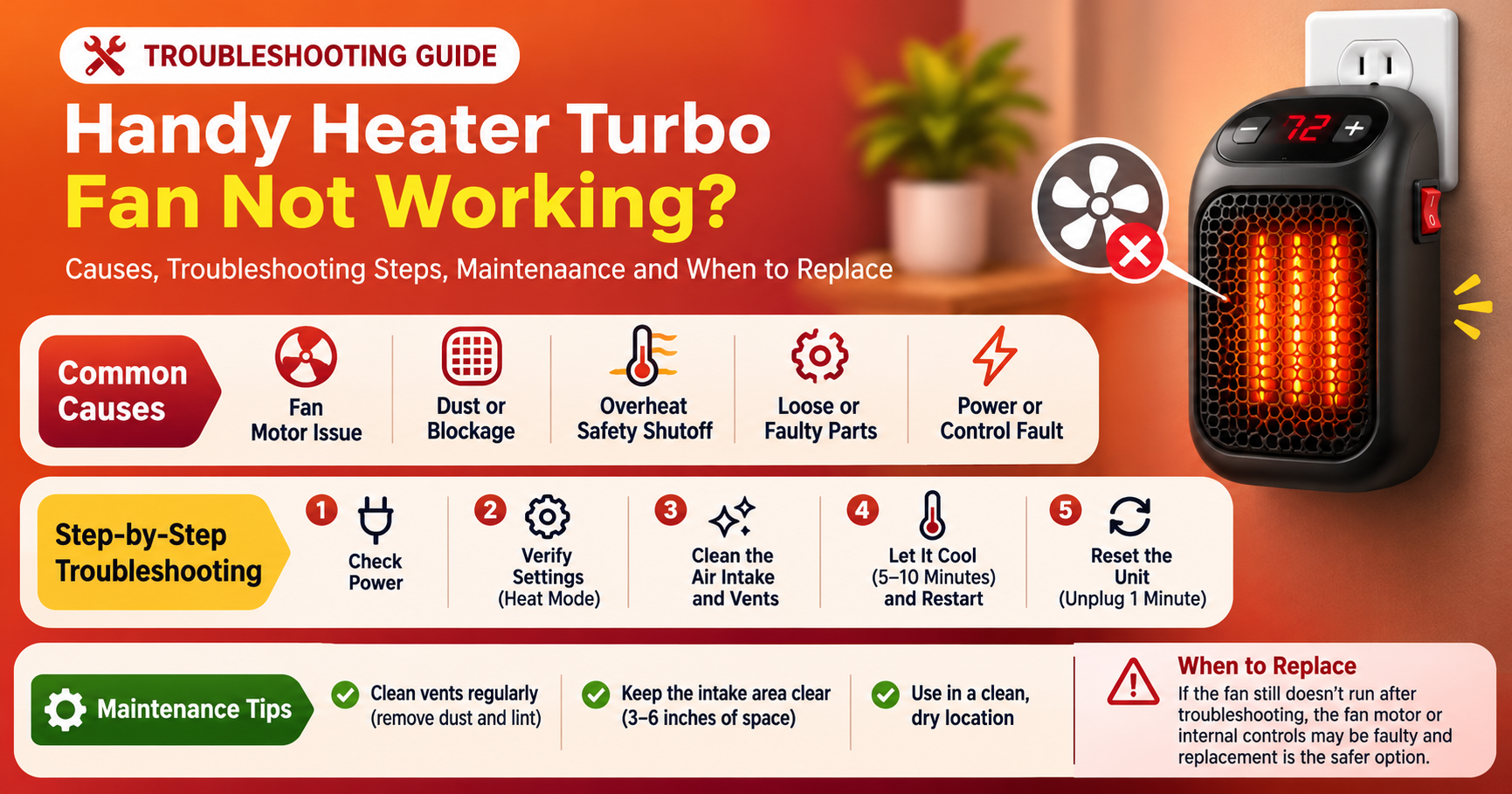
- Clear airflow: do not block fan-forced heaters with furniture.
Maintenance and Care Tips
- Unplug and let the heater cool completely before cleaning.
- Gently vacuum dust from vents and grills at the start of the season.
- Wipe the exterior with a dry or slightly damp cloth.
- Store in a dry place with the cord loosely wrapped, not tightly coiled.
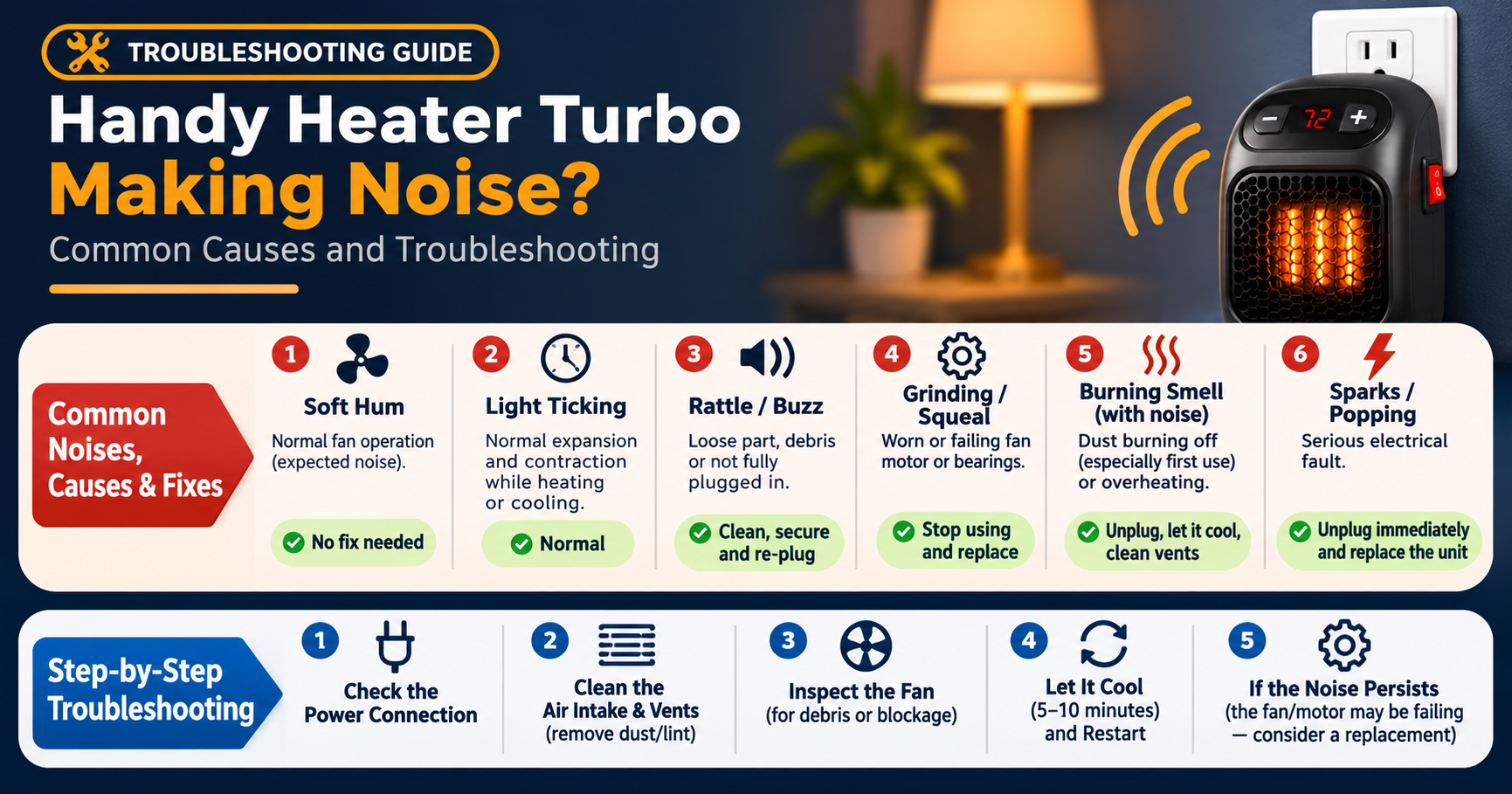
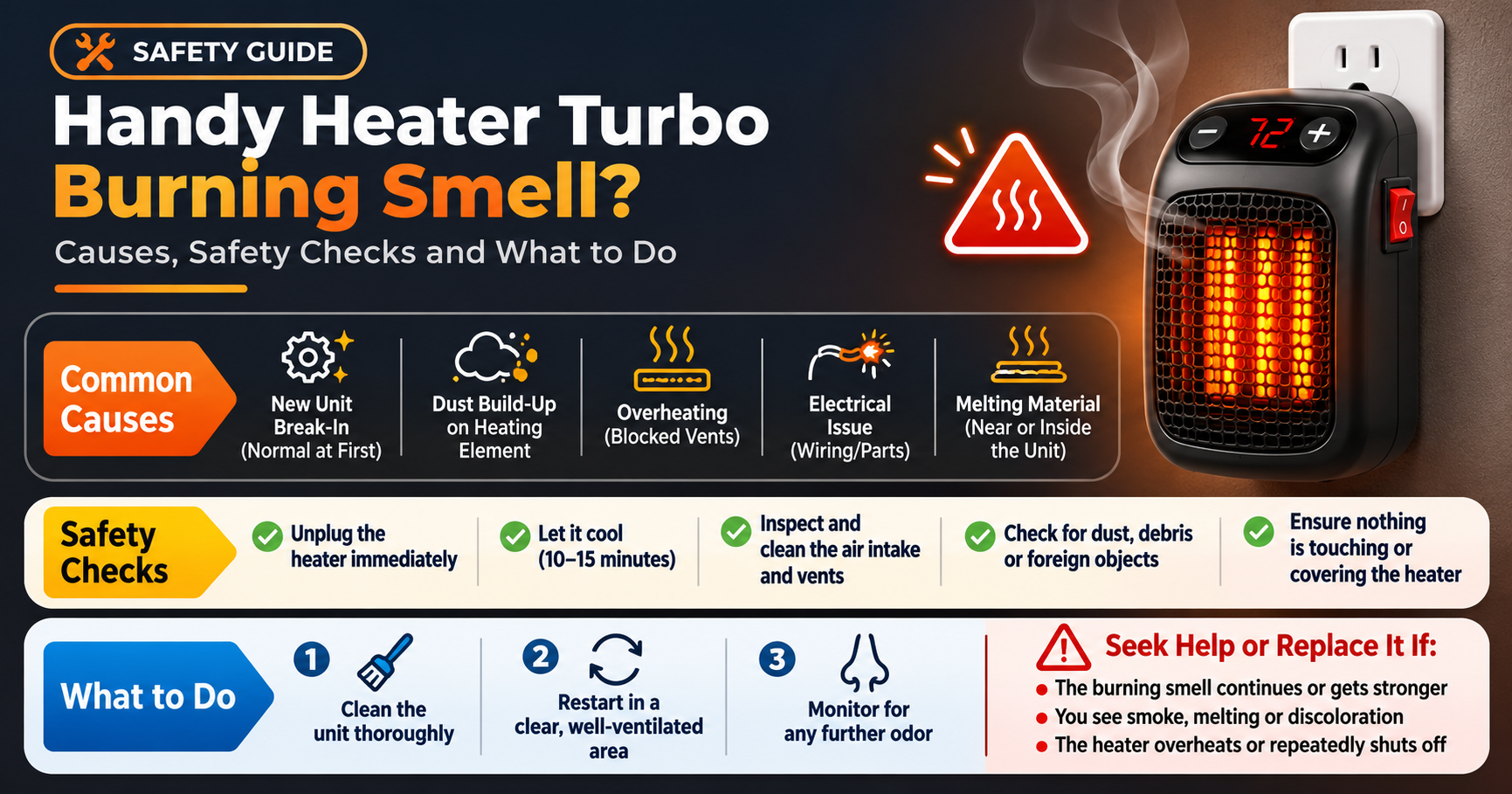
- Replace the heater if it makes unusual noises, smells like burning, or trips safety cut-offs repeatedly.
Frequently Asked Questions
Are portable electric heaters energy efficient?
Almost all of the electricity used is converted to heat, so they are technically efficient at the point of use. They save money when you heat only one occupied room and reduce the use of your central system. They can cost more if used to heat a large, poorly insulated space.
Can I leave a space heater on all night?
Many manufacturers advise against unattended operation. Check your manual. If you use one in a bedroom, choose a model with a thermostat, tip-over protection, and overheat protection, and keep it well away from bedding.
Which type is best for a small bedroom?
An oil-filled radiator is a popular choice because it is quiet and delivers steady heat. A ceramic heater with a timer and thermostat is a good alternative if you want faster warm-up.
Which heater is best for a garage or workshop?
Infrared heaters work well because they warm you and nearby objects directly, even when the air is cold and drafty.
Can I use an extension cord with a space heater?
It is best not to. If you absolutely must, use a heavy-duty cord rated for the heater’s wattage and keep it as short as possible. Plugging straight into the wall is always safer.
How long does it take to heat a room?
Ceramic fan and micathermic heaters can make a noticeable difference in a few minutes. Oil-filled radiators can take 15 to 30 minutes to reach full effect, but they hold warmth longer.
Do electric heaters dry out the air?
They do not remove moisture, but warming air lowers its relative humidity, which can feel dry. A small humidifier can help if you notice dry skin or throat.
Final Verdict
A portable electric heater is a flexible, affordable way to add comfort exactly where you need it. Match the heater type to your space: ceramic for fast heat in small rooms, oil-filled for quiet and steady warmth, infrared for spot heating and garages, and micathermic for balanced performance in living areas. Size it using the 10 watts per square foot rule, choose a model with solid safety features, and use it sensibly alongside your main heating.
With the right heater and good habits, you can stay warm through the coldest months, lower the strain on your central system, and keep energy costs under control.
Disclosure: This article may contain affiliate content. If you purchase through recommended products on this site, we may earn a small commission at no extra cost to you.