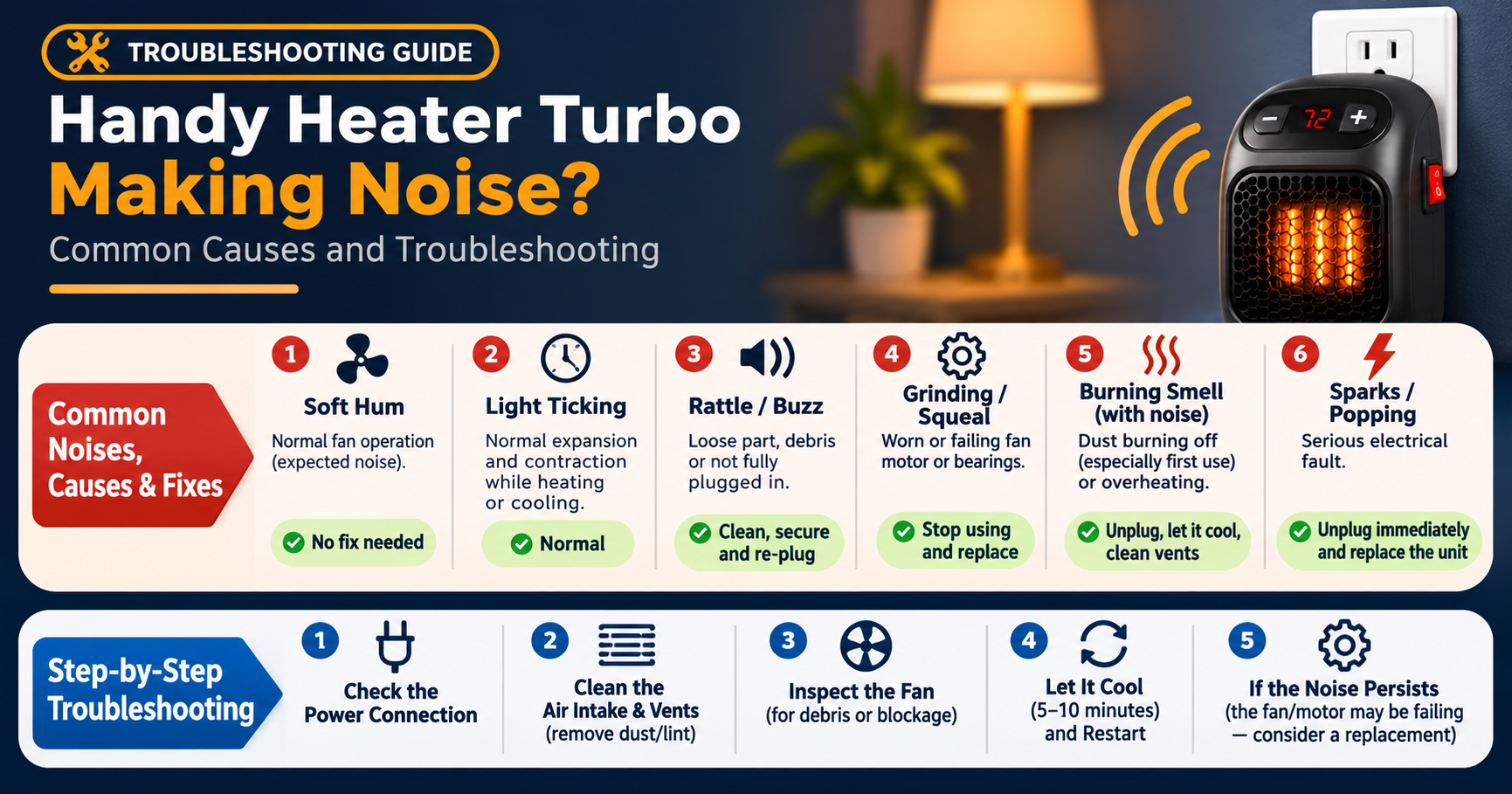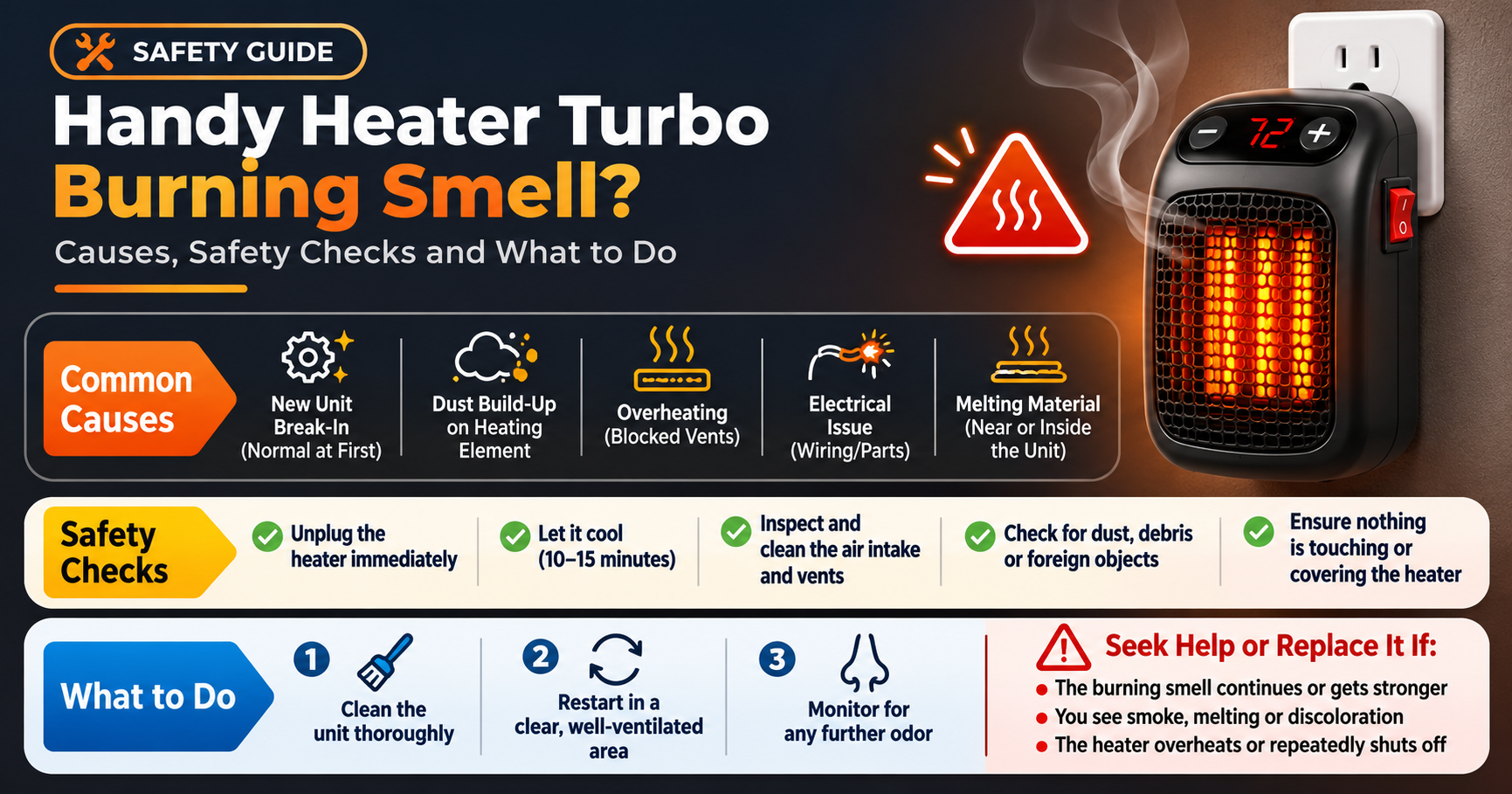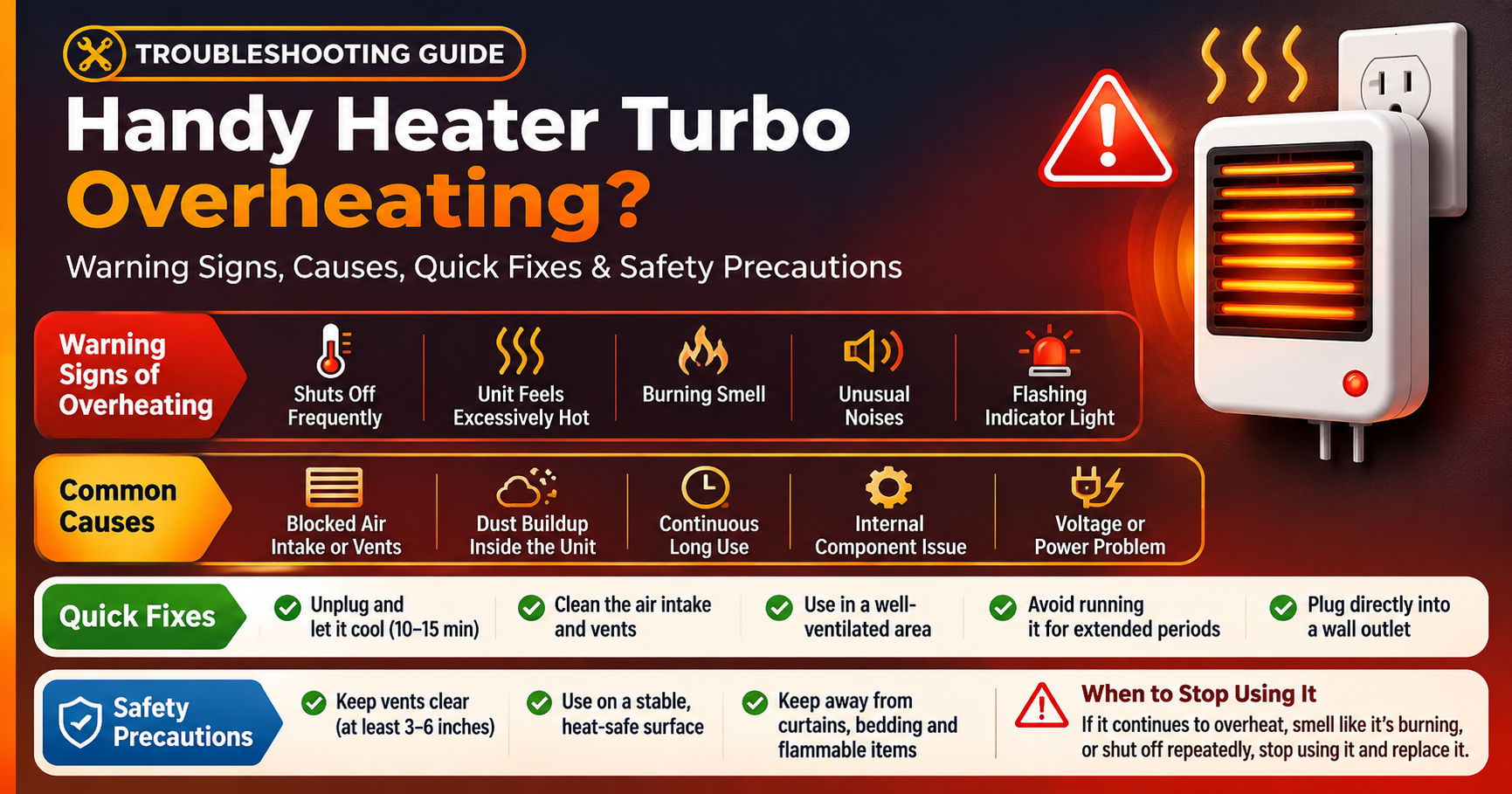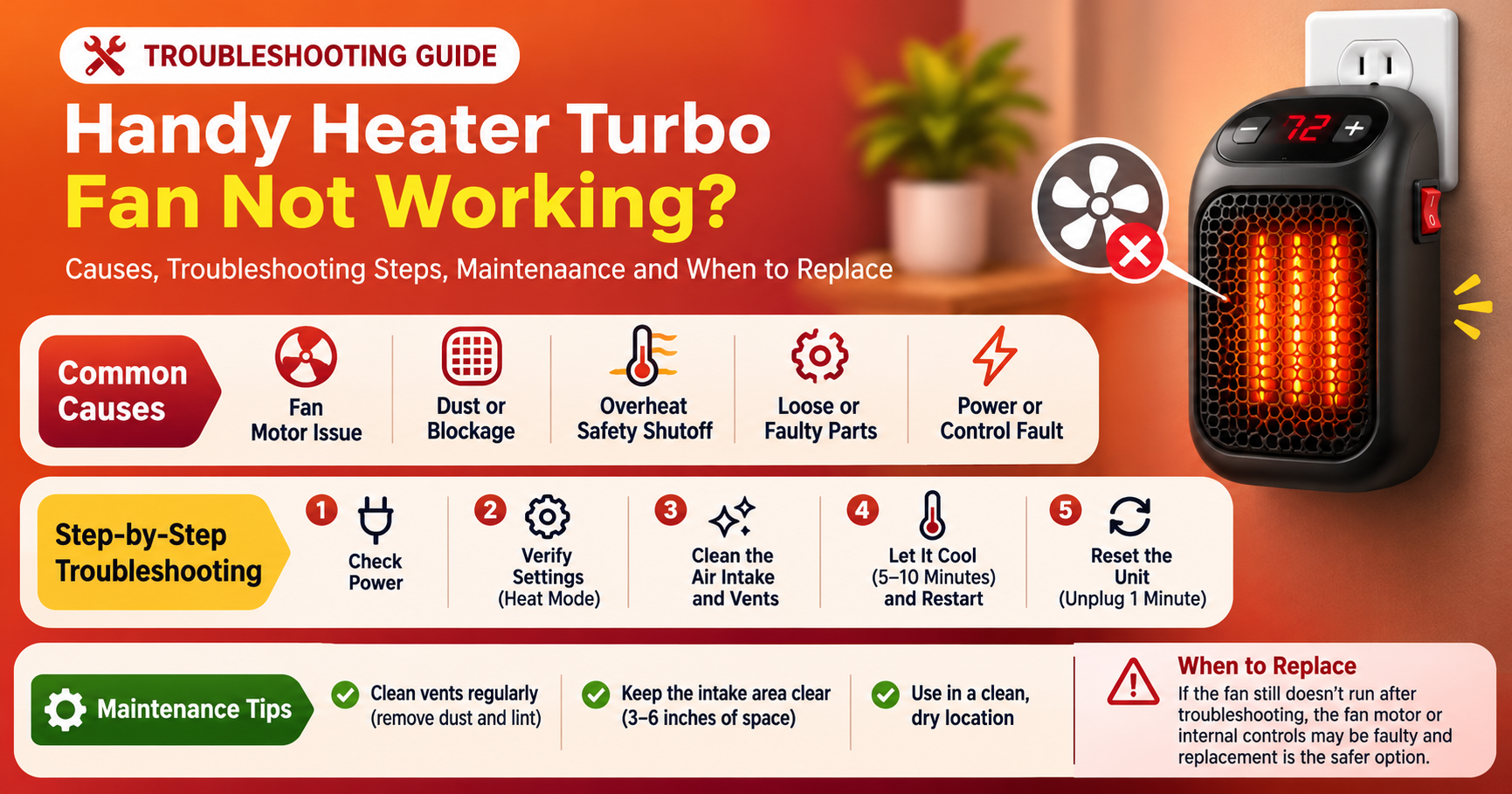
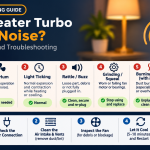
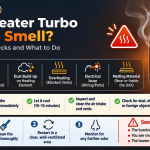
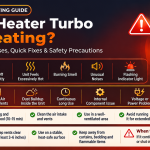
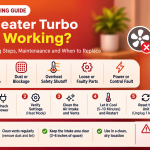
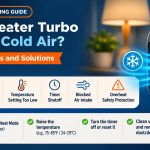

You plug in your Handy Heater Turbo on a chilly evening, hear the fan spin up, and wait for cozy warmth. Instead, a stream of cold air hits your hands. It is frustrating, especially if you bought the heater to take the edge off winter mornings. The good news is that a Handy Heater Turbo blowing cold air is usually caused by a small, fixable problem rather than a completely dead unit.
In this guide you will learn why compact fan heaters blow cold air, how to test each possible cause in a logical order, what you can safely fix at home, and when it makes sense to replace the heater. We also cover realistic expectations, because small plug-in heaters have limits that many buyers do not know about.
Quick Answer: Why Is Your Handy Heater Turbo Blowing Cold Air?
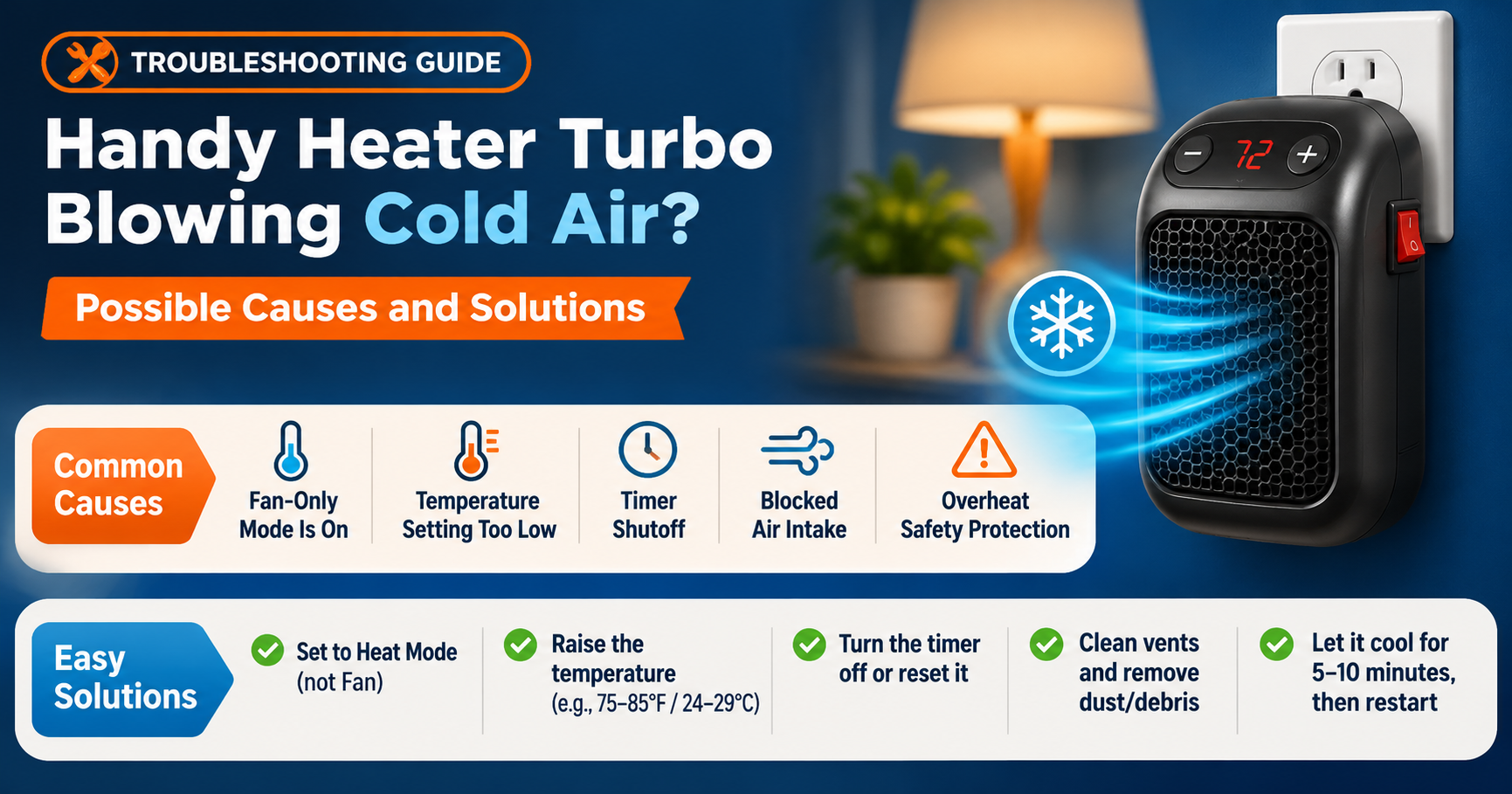
In most cases the fan is working but the heating element is not receiving power or is being switched off by a safety feature. The most common reasons are:
- The heater is in fan-only or low mode, or the thermostat is set too low.
- The overheat or tip-over protection has tripped.
- Dust is blocking the air intake and vents.
- The outlet, extension cord, or power strip cannot deliver enough current.
- The ceramic heating element or thermal fuse has failed.

How a Compact Heater Like the Handy Heater Turbo Works
Small portable heaters of this type typically use a PTC ceramic heating element and a small fan. Electricity passes through the element, which heats up quickly, and the fan pushes room air across it so warm air flows out of the front. A thermostat and one or more safety cut-offs sit in the circuit to prevent overheating.
This design explains the symptom. The fan and the heating element are controlled separately. If a safety switch opens, the element loses power while the fan keeps spinning, so you get cold air. That is why the fan sound alone does not prove the heater is working.
9 Common Causes of Cold Air (and How to Fix Each One)
1. The Thermostat Is Set Too Low
If the room already feels warmer than the thermostat setting, the heater will cycle the element off and run only the fan. Turn the temperature dial to maximum and check whether warm air appears within a couple of minutes.
2. Wrong Mode Selected
Many models have a Fan, Low, and High setting or a cool/warm switch. Make sure the selector is on a heating mode and not on the fan-only position.
3. It Needs a Minute to Warm Up
Ceramic elements are fast, but not instant. Give the heater two to three minutes in a closed room. In a very cold room, the air may feel cool at first, because the heater is warming air that starts at a low temperature.
4. Overheat Protection Has Tripped
If the heater has been running with blocked vents, or sitting on soft furniture, the internal safety sensor can cut power to the element. Unplug the unit, let it cool for 15 to 30 minutes, and restart it on a hard, flat surface.
5. Tip-Over Protection Is Active
Most compact heaters include a tilt switch. If the heater sits on a slightly slanted surface or rests against a wall at an angle, the switch may stop the element. Place it on a level floor or table and try again.
6. Dust and Lint Are Blocking Airflow
Dust on the intake grille or around the element reduces airflow, which makes the safety sensor trip sooner. With the heater unplugged and cool, gently clean the vents using a soft brush, a dry microfiber cloth, or a vacuum on low suction. Do not use water or sprays on the inside.
7. Weak or Unsuitable Power Supply
Heaters draw a lot of current. A loose outlet, a thin extension cord, or a shared power strip can cause voltage drop, so the fan runs while the element does not heat properly. Plug the heater directly into a wall outlet and test a different outlet in another room.
8. Failed Heating Element or Thermal Fuse
If the heater has been used for a long time, the ceramic element or the thermal fuse inside can fail. A thermal fuse does not reset. When it blows, the fan still works but heat never returns. This is not a safe do-it-yourself repair for most people, so replacement is the practical solution.
9. Low Real-World Output Compared with Expectations
Very small heaters are designed to warm a personal space, not a large room. Some listings advertise “turbo” or “instant” heating, but the actual output is limited by the wattage and by what a normal household outlet can deliver. If the air feels only lukewarm, the unit may be working as designed, just not as strongly as you expected.

Step-by-Step Troubleshooting Checklist
- Unplug and inspect. Look at the plug, cord, and grille for damage, discoloration, or a burning smell. If you see any, stop using the heater.
- Test another outlet. Use a wall outlet with nothing else plugged in nearby.
- Set the controls. Choose the highest heat mode and the highest thermostat setting.
- Clean the vents. Remove dust from the front and rear openings.
- Reset by cooling. Leave it unplugged for at least 15 to 30 minutes.
- Restart on a level surface. Run it for three minutes and check the air temperature.
- Decide. If it still blows cold air, the element or fuse has probably failed.
Safety Rules You Should Never Skip
Portable heaters are a common cause of household fires when used incorrectly, so treat troubleshooting as a safety exercise too.

- Do not open the casing or bypass any safety switch.
- Do not use a heater that smells of burning, sparks, or has a hot plug.
- Keep it away from curtains, bedding, paper, and anything flammable.
- Do not use it in a bathroom or any damp space unless it is rated for that.
- Turn it off when you leave the room or go to sleep.
How to Prevent Cold Air Problems in the Future
- Clean the vents every few weeks during heating season.
- Store it in a dry place, ideally in its original box, during summer.
- Always use a wall outlet and avoid cheap extension cords.
- Do not run it nonstop for many hours; give it breaks.
- Place it on a flat, hard surface with free space around it.
Handy Heater Turbo: Realistic Expectations
| Situation | What to Expect |
|---|---|
| Small room or personal desk area | Noticeable warmth within minutes |
| Large living room | Only slight warmth near the heater |
| Very cold or drafty space | Longer warm-up, limited effect |
| Blocked vents or poor power | Cold air or intermittent heating |
If your unit is new and still blows cold air after the steps above, check whether it is covered by a return or warranty period and contact the seller with your order details.
When Should You Replace the Heater?
- It still blows cold air after cleaning, cooling, and testing another outlet.
- The plug or cord gets very hot or shows damage.
- You smell burning plastic or see sparks.
- The unit trips the circuit breaker.
- It is old, and the warm air is weaker each season.
What to Look for in a Better Portable Heater
- Safety certifications from a recognized testing body.
- Tip-over and overheat protection built in.
- Clearly stated wattage and a thermostat with several settings.
- A sturdy cord and plug with proper strain relief.
- Warranty and customer support that responds quickly.
- Room size guidance from the manufacturer so you can match it to your space.
Check real customer reviews for complaints about cold air or short lifespan before you buy any compact heater, and compare several options before you decide.
Frequently Asked Questions
Why does my Handy Heater Turbo only blow cold air?
Most often the thermostat or mode is set wrong, a safety switch has tripped, or the vents are clogged. If none of these apply, the heating element or thermal fuse has likely failed.
Can I repair a heater that blows cold air?
Simple fixes like cleaning and resetting are safe. Internal repairs are not recommended unless you are a qualified technician, because compact heaters contain high-current parts and safety fuses.
How long should it take to blow warm air?
Usually within one to three minutes. If there is no warmth after five minutes, something is wrong.
Is it normal for the heater to blow cold air sometimes?
Yes, briefly. When the room reaches the thermostat setting, the element switches off while the fan keeps running, so the air may feel cool for a moment.
Can a power strip cause cold air?
Yes. A weak strip or long extension cord can limit current, so the element cannot heat properly. Always plug a heater straight into a wall outlet.
Is it safe to keep using a heater that blows cold air?
If the cause is simply a setting or dust, yes after fixing it. If there are signs of damage, burning smell, or overheating, stop using it immediately.
Final Thoughts
A Handy Heater Turbo blowing cold air is rarely a mystery. Start with the simple checks: the thermostat, the mode, the outlet, and the vents. Then allow the heater to cool and reset its safety features. If cold air continues, the element or fuse has probably failed, and replacing the unit is the safest option. Choose your next heater carefully, match it to the size of your room, and follow basic safety rules so you stay warm and protected all winter.