


Room Heater for a Small Bedroom: Complete Buyer’s Guide
A cold bedroom makes everything harder: getting out of bed, getting dressed, even falling asleep. Heating the whole house just to warm one small room is expensive, so a room heater is the practical answer. The catch is that a small bedroom is not the same as a living room. There is less floor space, the bed and curtains are close by, and you will probably be sleeping in the room while the heater is nearby.
That means the “best” heater for a small bedroom is not the most powerful one. It is the one that fits the room size, runs quietly, has the right safety features, and does not waste electricity. This guide walks you through exactly how to pick one, step by step.
Quick answer: For most small bedrooms (up to about 150 sq ft or 14 m²), choose a heater between 750 W and 1,500 W with an adjustable thermostat, tip-over protection and overheat protection. Oil-filled radiators and panel heaters are the quietest choices for bedrooms, while ceramic fan heaters warm a room fastest. Keep the heater at least 3 ft (0.9 m) from the bed and curtains, plug it straight into a wall outlet, and switch it off or use a timer before you sleep.
In this guide: why small bedrooms are different, how many watts you need, the main heater types, how to choose between them, safety features, placement rules, noise, running costs, dry air, a buying checklist, common mistakes and frequently asked questions.
Why a Small Bedroom Needs a Different Kind of Heater
It is tempting to buy the biggest heater on the shelf, assuming more power means more comfort. In a small room, the opposite often happens.
- It overheats quickly. A heater that is too powerful makes a small room hot within minutes, then keeps switching on and off, which feels uneven and wastes energy.
- Everything is close. Beds, bedding, curtains and clothes are usually only a few feet away. That makes safe placement more important than in a larger room.
- Noise matters more. You will hear every fan hum and thermostat click when the room is quiet and you are trying to sleep.
- The air can feel dry. Warming a small volume of air lowers its relative humidity fast, which some people notice as a dry nose or throat.
So the goal is a heater that is right-sized, quiet and well protected, not simply the strongest one.
Step 1: Work Out How Many Watts You Need
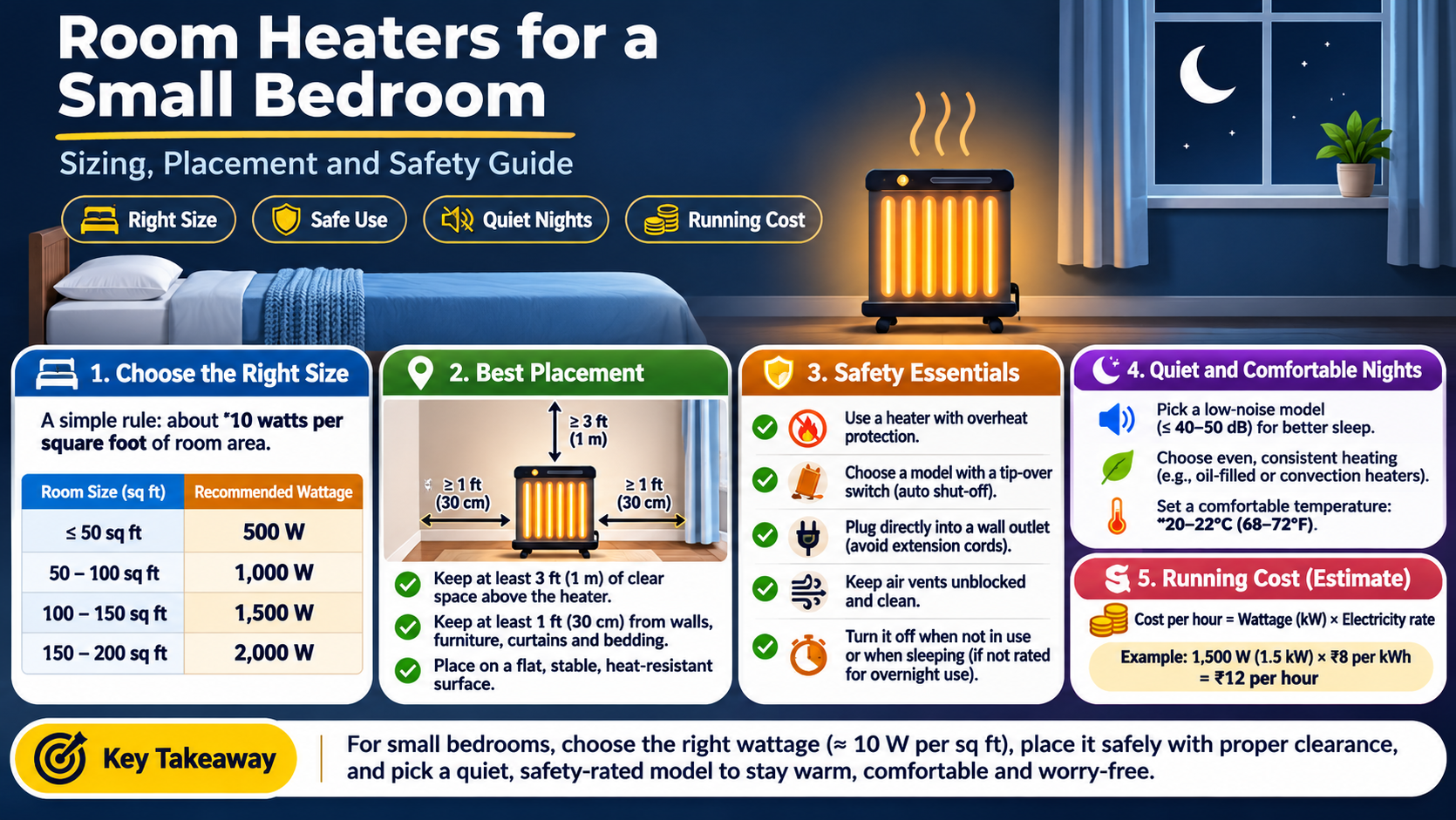
Heater power is measured in watts (W). A useful rule of thumb for electric heaters is about 10 watts for every square foot of floor space (roughly 110 watts per square metre). Multiply your room’s length by its width, then multiply by 10.
Example: A bedroom that is 10 ft by 12 ft has 120 sq ft of floor space. 120 × 10 = 1,200 W. In metric, a room that is 3 m by 3.7 m is about 11 m², and 11 × 110 = roughly 1,200 W.
When to go a little higher
- The room is drafty, has single-pane windows or poorly sealed doors.
- The bedroom is on a cold outside wall, above a garage, or on the top floor under an uninsulated roof.
- You live in a very cold climate and use the heater as the main source of warmth.
- The ceilings are higher than average.
When you can go lower
- The room is well insulated or sits between other heated rooms.
- You only need to take the chill off, not heat from freezing.
- You plan to use the heater for a short time before bed and then switch it off.
Good to know: Electric heaters turn almost all the electricity they use into heat. A 1,500 W heater of any type produces about the same amount of heat as any other 1,500 W electric heater. The differences between types are in how the heat is delivered, how quickly you feel it, how loud the heater is, and how safe it is, not in how much heat each watt creates.
Also check that the heater matches your local voltage and plug type. Common voltages are 110 to 120 V and 220 to 240 V, and a heater built for one should not be used on the other.
Step 2: Understand the Main Types of Room Heaters
Most small-room electric heaters fall into five groups. Each has strengths and weaknesses for a bedroom.
1. Ceramic fan heaters
These use a ceramic heating element and a fan to push warm air into the room. They are compact, light, usually affordable and warm up quickly. Many include a thermostat, a tip-over switch and an oscillation feature that spreads warmth across the room.
Best for: warming a bedroom quickly before you get in, or before getting dressed.
Watch out for: fan noise, which can be noticeable at night, and a drying feel if the air blows directly on you.
2. Oil-filled radiators
An oil-filled radiator looks like a small traditional radiator. Electricity heats a sealed reservoir of thermal oil, and the fins release warmth gradually. You never need to refill the oil. Because the metal keeps giving off heat for a while after the unit switches off, the warmth feels steady and gentle.
Best for: quiet, even heat in a bedroom, especially if you want a stable temperature for hours.
Watch out for: a slower warm-up, a heavier body, and hot surfaces on the fins, so keep it away from bedding and curtains.
3. Infrared (radiant) heaters
Infrared heaters warm people and objects directly, much like standing in sunlight, rather than heating all of the air first. They feel warm almost instantly and are usually silent.
Best for: a reading chair, a desk in the bedroom, or the spot where you get dressed.
Watch out for: the heat is directional, so it warms what it faces and not the whole room as evenly. The heating element can be very hot, so placement and guards matter.
4. Panel and convection heaters
These are slim, flat units that stand on feet or mount on a wall. They warm the air that flows across a heated panel, giving gentle, even heat without a fan in many models. Their slim profile suits small rooms where floor space is limited.
Best for: bedrooms where you want quiet, low-profile heating that stays out of the way.
Watch out for: a moderate warm-up speed. Wall-mounted models need a suitable wall and secure fixing.
5. Micro-thermic (mica) panel heaters
These thin, lightweight heaters are often marketed as quick to warm and quiet. They use a flat mica-based element and release heat through both convection and radiation. They are easy to move and fit into tight spaces.
Best for: small rooms, kids’ rooms and guest rooms where light weight and a slim shape help.
Watch out for: quality varies a lot between brands, so check the safety features and certification marks carefully.
Step 3: Match the Heater to How You Will Use It
| Your situation | Best type | Why |
|---|---|---|
| Warm the room quickly before bed | Ceramic fan heater | Fastest warm-up. Switch it off or use a timer once the room is comfortable. |
| Quiet, steady warmth | Oil-filled radiator or panel heater | Little to no noise and gentle, even heat that does not feel dry or blasting. |
| Warm one spot, such as a desk or chair | Infrared heater | Heats you directly, so you feel warm without heating the whole room. |
| Very little floor space | Wall-mounted panel or slim mica heater | Takes almost no floor area and keeps cords and hot surfaces off the floor. |
| Child’s or teen’s room | Panel heater with cool-touch housing | Lower surface temperatures and no exposed element. Keep it out of reach and follow the manufacturer’s guidance. |
| Tight budget | Basic ceramic fan heater with thermostat | Lowest purchase price, as long as it has the core safety features. |
If you can only buy one heater for a small bedroom, an oil-filled radiator or a panel heater with a thermostat is the most comfortable all-round pick. If speed and price matter more than silence, a ceramic fan heater with a good thermostat and timer is a sensible choice.
Step 4: Check the Safety Features
Bedrooms are full of soft, flammable materials such as bedding, curtains and clothes, so safety features are not optional. Look for all of the following before you buy.
- Tip-over switch: automatically cuts power if the heater is knocked over.
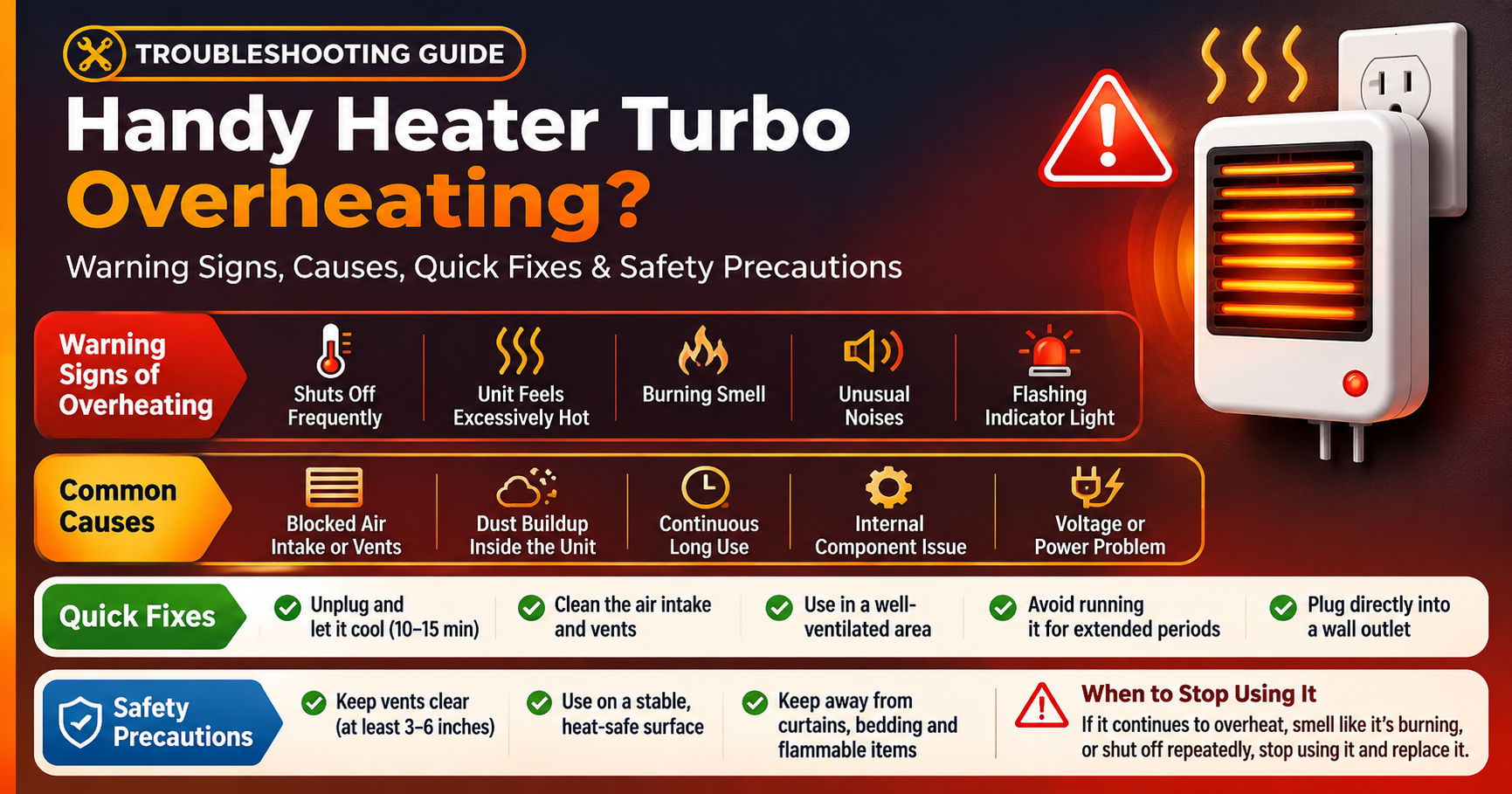
- Overheat protection: turns the heater off if internal temperatures rise too high, for example if airflow is blocked.
- Adjustable thermostat: keeps the room at your chosen temperature, so the heater cycles instead of running at full power all the time.
- Timer or auto shut-off: lets the heater switch itself off after a set time, which is very helpful at bedtime.
- Cool-touch or protected surfaces: reduces the risk of burns for children and pets.
- Recognized safety certification: look for the mark that applies in your country, and avoid unbranded heaters with no markings.
- A sturdy plug and thick cord: a heater draws a lot of current, so a thin or loose cord is a red flag.
Step 5: Place the Heater Safely
Even the best heater becomes a hazard if it is placed badly. Fire safety organisations, including the NFPA, advise keeping portable heaters at least 3 feet (about 0.9 m) away from anything that can burn.
- Keep a 3 ft (0.9 m) clear zone around the heater. No bedding, curtains, clothes, books or laundry baskets inside it.
- Plug directly into a wall outlet. Do not use extension cords or power strips. Heaters draw high current and these can overheat.
- Stand it on a flat, hard surface. Avoid thick rugs, the edge of a carpet, or anywhere it can wobble.
- Never cover it or dry clothes on it. Blocked airflow is a common cause of overheating.
- Aim the heat across the room, not directly at the bed or at your face.
- Keep cords clear of walkways so nobody trips and pulls the heater over.
- Test the smoke alarm in or near the bedroom regularly.
Important: Fire safety guidance generally recommends turning portable heaters off when you leave the room or go to sleep. A practical approach is to warm the room before bed, then switch the heater off or set a timer so it shuts down shortly after you fall asleep. Use only electric heaters indoors for bedrooms. Never use a fuel-burning heater, such as a gas, kerosene or charcoal heater, in a bedroom.
Step 6: Think About Noise and Sleep Quality
Noise is one of the biggest complaints about room heaters. A fan heater that sounds fine in the living room can be irritating in a silent bedroom.
- Quietest: oil-filled radiators, panel heaters and most infrared heaters, because they have no fan. You may still hear a soft click when the thermostat switches on or off.
- Noisier: ceramic fan heaters. Look for models that mention a low or “quiet” mode, and check customer reviews that mention bedroom use.
It also helps to remember that you do not need a hot bedroom to sleep well. Sleep experts commonly suggest a bedroom temperature of roughly 60 to 67°F (15 to 19°C). The heater’s main job is to take the edge off the cold, add a comfortable layer of warmth before bed, and help you get up in the morning, not to turn the room into a sauna. Warm bedding and layers do a lot of the work.
Step 7: Estimate the Running Cost
You can calculate the cost of running any electric heater with a simple formula:
Cost = kilowatts × hours × price per kWh
A 1,500 W heater is 1.5 kW. If your electricity costs $0.15 per kWh, running it at full power for one hour costs 1.5 × 1 × 0.15 = about $0.23. For 8 hours at full power that would be about $1.80.
In real life, a heater with a thermostat does not run at full power the whole time. Once the room reaches your set temperature, it switches off and on to maintain it, so the actual cost is usually lower. Your own electricity rate will differ, so plug your local price into the formula above.
Simple ways to lower the cost
- Seal drafts around the door and windows with draught excluders or weatherstripping.
- Close the curtains at dusk. Thick or thermal curtains reduce heat loss through glass (but keep them outside the 3 ft clear zone).
- Keep the door shut so the heater only warms one small room.
- Lower the thermostat by a degree or two. You will barely feel it, and you will save energy.
- Use a timer so the heater only runs when you need it.
- Add a rug and warm bedding so you feel comfortable at a lower room temperature.
What About Dry Air?
Heating air does not remove moisture from it, but warm air can hold more moisture, so its relative humidity drops. That is why a heated bedroom can feel dry, especially in winter. Fan heaters that blow air across your skin can make this feel stronger.
- Aim the heater away from your face and bed.
- Consider a small humidifier if the room often feels dry. Clean it regularly according to its instructions.
- Drink water and use a skin moisturiser if you notice dry skin.
Buying Checklist for a Small Bedroom Heater
- Wattage matches the room (roughly 10 W per sq ft), usually 750 to 1,500 W.
- Voltage and plug type match your home.
- Adjustable thermostat with a clear temperature or heat setting.
- Tip-over switch and overheat protection included.
- Timer or auto shut-off for bedtime.
- Quiet operation, either fanless or with a low-noise mode.
- Recognized safety certification mark and a reputable brand with a warranty.
- Compact size and sturdy handle so you can move it safely.
- Cool-touch housing or protective grille if kids or pets are around.
- A cord long enough to reach the wall outlet without any extension cord.
Common Mistakes to Avoid
- Buying a heater that is too powerful. It will overheat the room and cycle constantly.
- Using an extension cord or power strip. This is one of the most common causes of heater-related problems.
- Placing the heater too close to the bed or curtains. Always keep the 3 ft clear zone.
- Leaving it on all night unattended. Use a timer and warm the room before bed instead.
- Ignoring the safety features to save a little money. The tip-over and overheat protections matter far more than extras like remote controls.
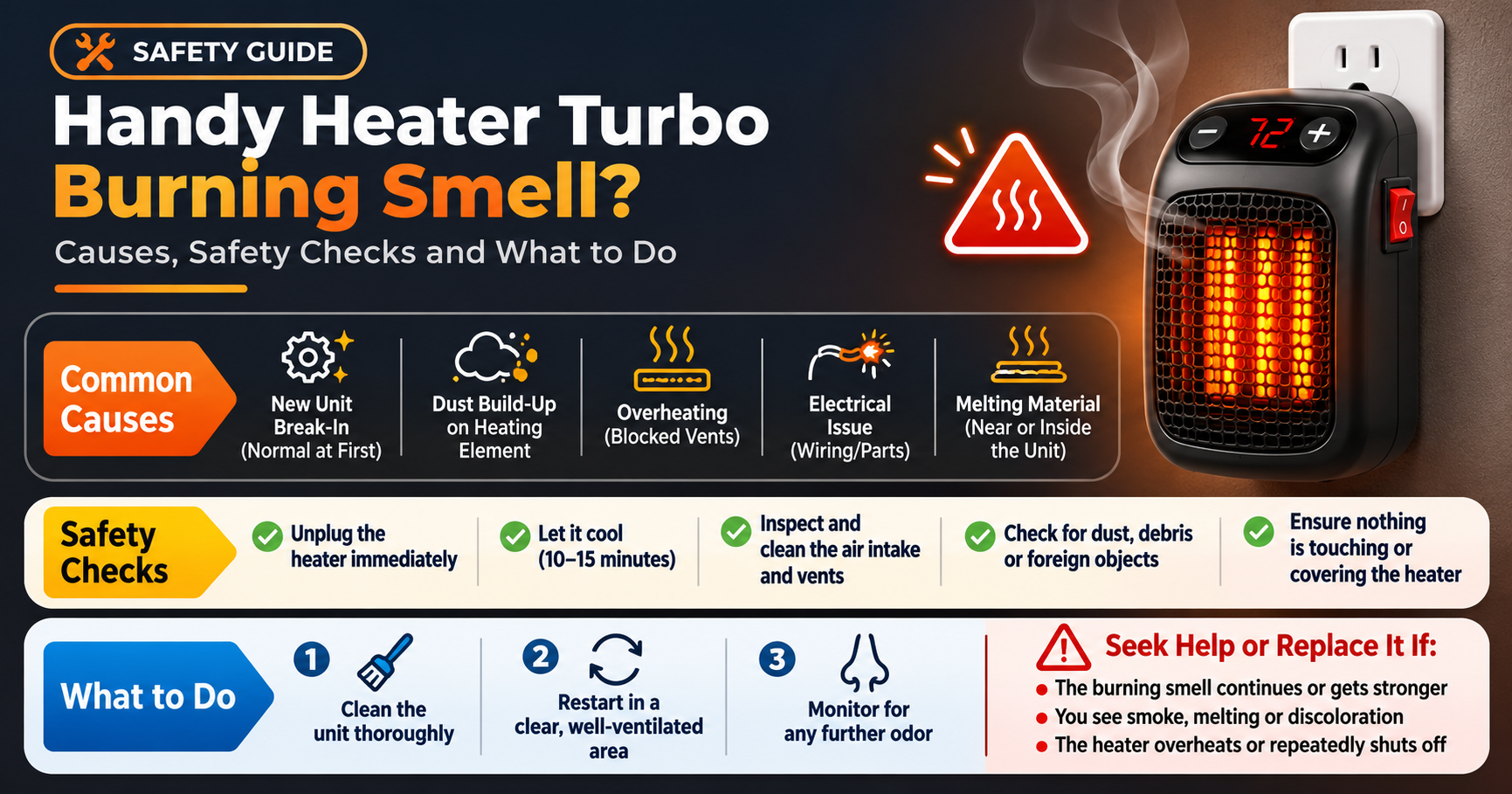
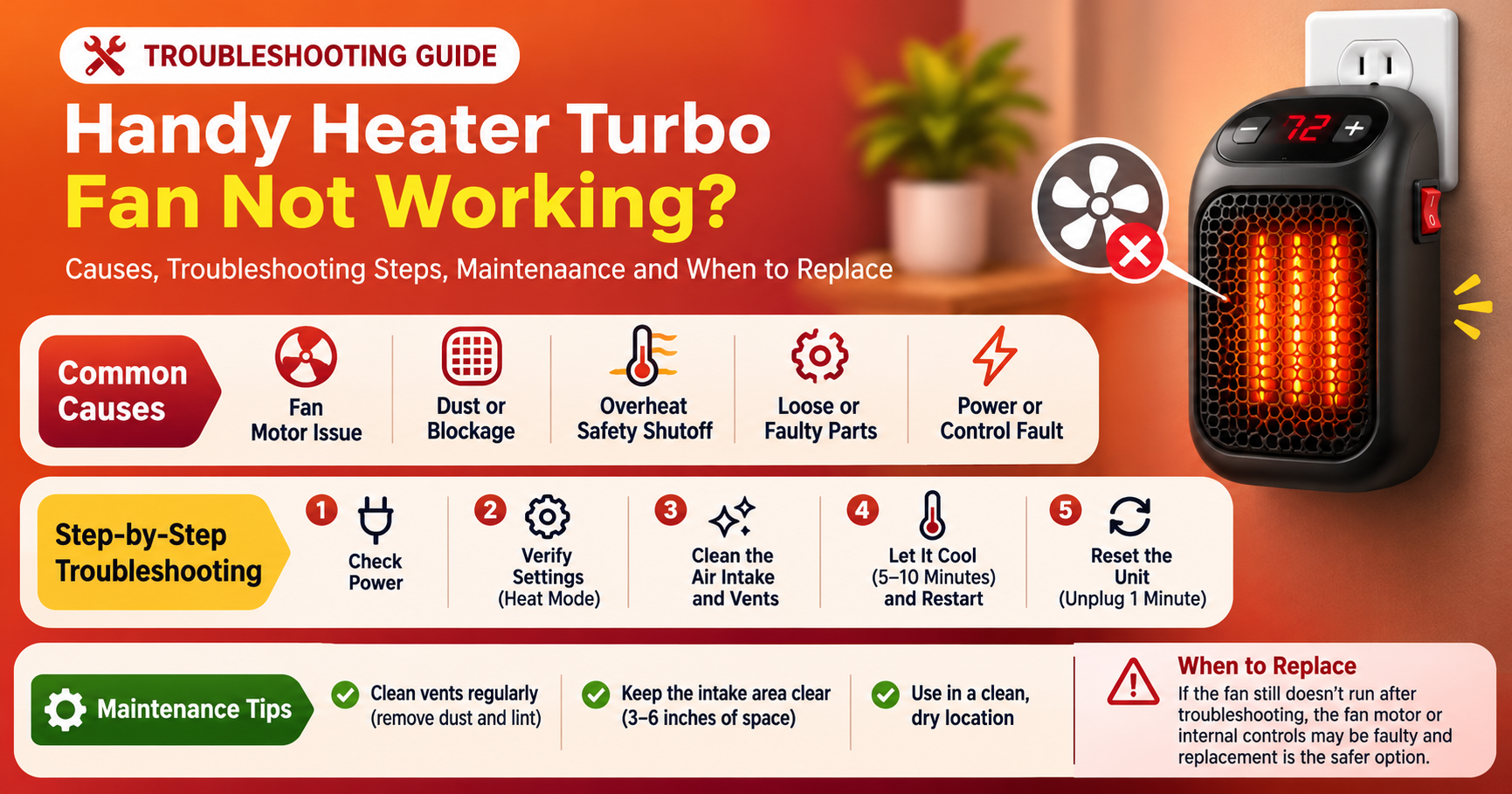
- Letting dust build up. Unplug and let the heater cool, then gently clean the vents and grille with a dry cloth or soft brush so dust does not burn and block airflow.
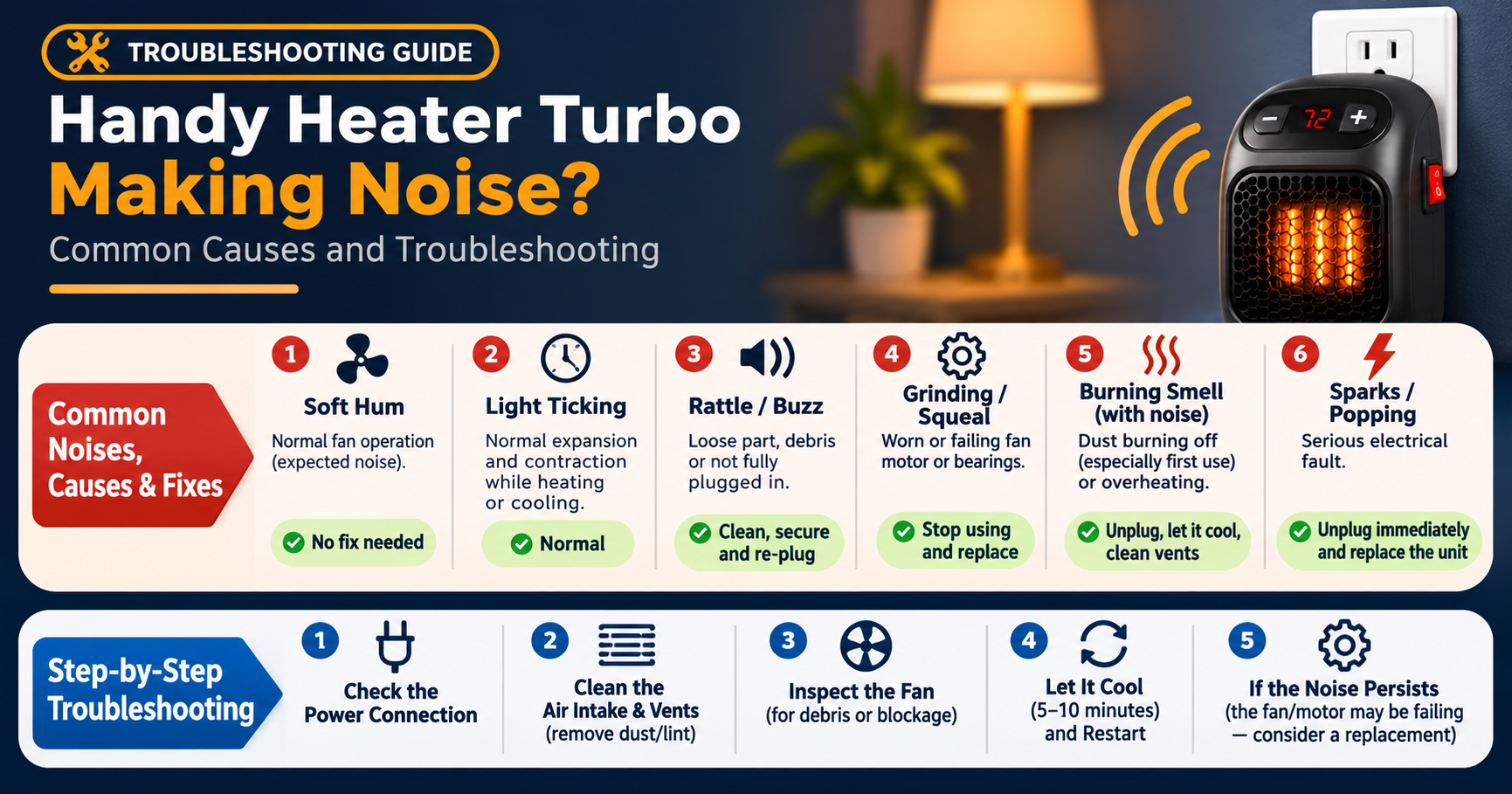
- Not testing it first. Run a new heater for a short time while you are awake and nearby. A faint smell on first use can be normal as manufacturing residue burns off, but a strong or persistent burning smell means you should unplug it.
Frequently Asked Questions
How many watts do I need for a small bedroom?
As a guide, plan for about 10 watts per square foot. A 100 sq ft bedroom needs around 1,000 W and a 150 sq ft bedroom around 1,500 W. Go a bit higher for drafty or cold rooms and a bit lower for well-insulated ones.
Is it safe to leave a room heater on all night?
Fire safety guidance generally advises switching portable heaters off when you go to sleep. A safer routine is to warm the room before bed and then switch the heater off, or use a model with a timer or auto shut-off. Never leave a heater running with bedding, curtains or clothes nearby.
Which is better for a bedroom: an oil-filled radiator or a ceramic heater?
An oil-filled radiator is quieter and gives steadier, gentler heat, but it warms up more slowly. A ceramic fan heater warms the room faster and usually costs less, but the fan can be noisy. Many people choose oil-filled for night-time comfort and ceramic for quick warm-ups.
Does a small heater use a lot of electricity?
A heater uses electricity in proportion to its wattage and running time. A 1,500 W heater uses 1.5 kWh per hour at full power. A thermostat reduces this because the heater switches off once the room is warm, and a timer prevents it from running longer than you need.
Do electric room heaters produce carbon monoxide?
No. Electric heaters do not burn fuel, so they do not produce carbon monoxide. Fuel-burning heaters, such as gas, kerosene or charcoal heaters, can, and they should never be used in a bedroom.
Can I use a room heater in a child’s room?
Many families do, but take extra care. Choose a model with cool-touch housing, tip-over and overheat protection and a thermostat, place it well out of reach and away from bedding, and follow the manufacturer’s instructions. For babies and young children, also follow your paediatrician’s advice on room temperature.
Why does my room still feel cold with the heater on?
Common causes include a heater that is too small for the room, drafts around doors and windows, an open door, or a thermostat set too low. An oil-filled radiator can also take a while to warm up. Check the wattage against your room size and try sealing drafts first.
Final Thoughts
Choosing a room heater for a small bedroom comes down to a few clear decisions: pick the right wattage for your floor area, choose a type that suits how you sleep and how much noise you can tolerate, insist on the key safety features, and place the heater with a proper clear zone around it.
For most people, an oil-filled radiator or panel heater with a thermostat and timer gives the best balance of comfort, quietness and safety. If you want fast warmth on a budget, a ceramic fan heater with the right protections is a good alternative. Whichever you choose, warm the room before bed, switch the heater off or use a timer when you sleep, and keep everything flammable well out of its way.
Key takeaways: Aim for roughly 10 W per sq ft (usually 750 to 1,500 W). Prefer a thermostat, tip-over switch, overheat protection and a timer. Keep a 3 ft (0.9 m) clear zone. Plug straight into the wall. Warm the room before bed instead of running the heater unattended all night.