


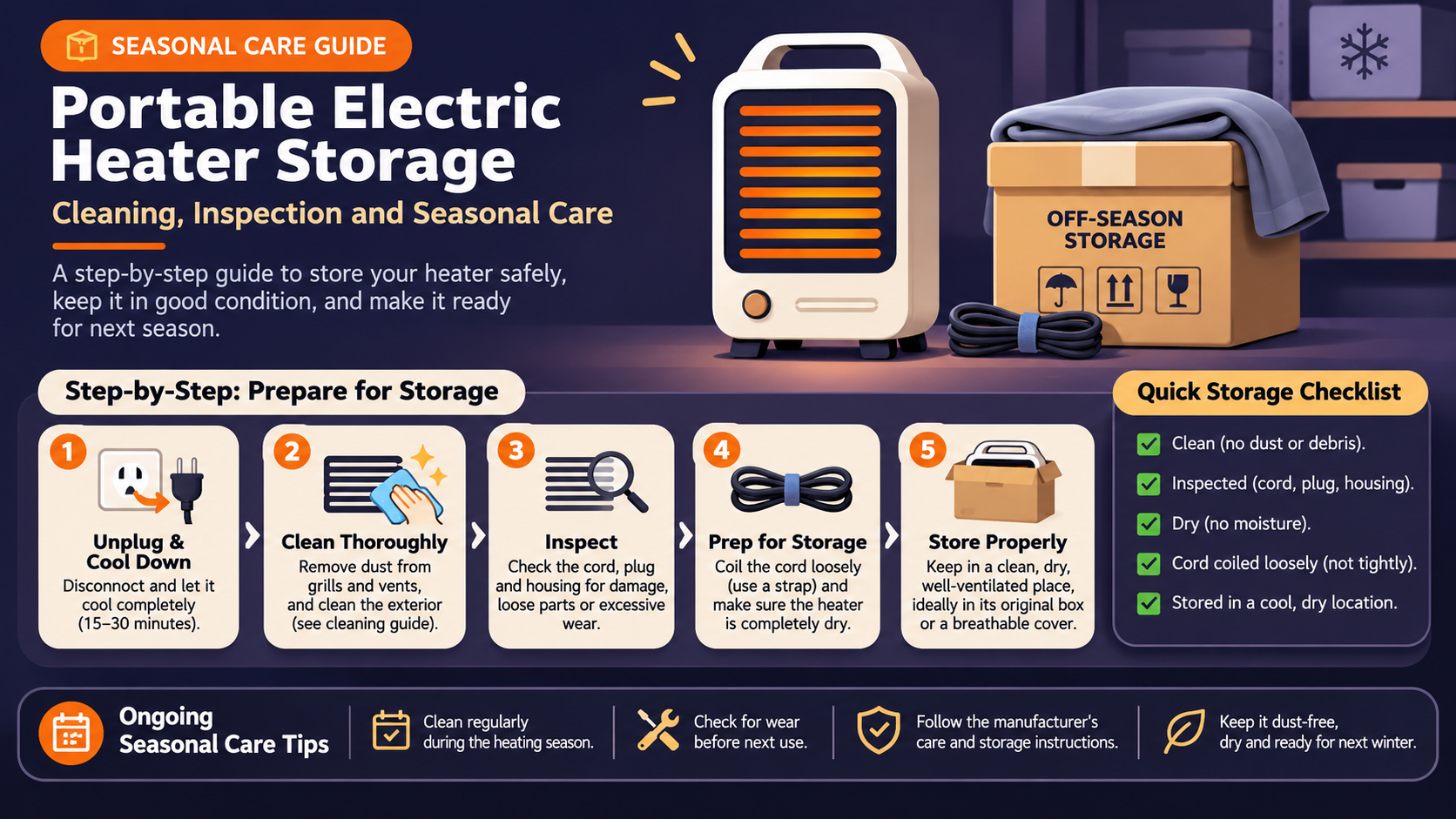

When the cold season ends, most people simply unplug their portable electric heater and push it into a corner, a garage or the back of a closet. It feels harmless, but this is exactly how heaters end up with damaged cords, clogged grilles, rusty parts and, in the worst case, a safety problem the next time they are switched on. A few minutes of proper preparation can protect your investment, keep your home safer and make sure the heater works just as well next winter.
This complete guide covers portable electric heater storage tips step by step: how to clean the heater, how to handle the cord, how to pack it, where to keep it and what to check before you use it again. You will also find a quick comparison for different heater types, common mistakes to avoid and answers to frequently asked questions.
Quick Summary: Key Storage Tips
- Always let the heater cool completely and unplug it before you touch it.
- Remove dust from the grille, vents and fan with a soft brush or vacuum.
- Make sure every part is fully dry before packing it away.
- Wrap the cord in loose, wide loops. Never wrap it tightly around the body.
- Store it in its original box or a padded container in a cool, dry, indoor place.
- Keep it away from moisture, chemicals, direct sunlight and heavy objects.
- Inspect the heater before the next season and test it before regular use.
Why Proper Heater Storage Matters
A portable electric heater is a simple device, but it contains heating elements, electrical connections, switches and safety sensors. All of these parts can be affected by the way the heater spends the warm months.
- Safety: Dust and debris trapped inside the heater can burn off or overheat when it is turned on again. A damaged cord or plug can also create a serious electrical risk.
- Performance: Moisture and dirt reduce heating efficiency, cause unpleasant smells and shorten the life of internal components.
- Longer lifespan: A heater stored correctly can last many seasons, which saves money on replacements.
- Convenience: When the temperature drops, you want a heater that is clean, ready and reliable, not one that needs repairs.
Step 1: Let It Cool Down, Unplug and Clean It
Never store a heater that is still warm. Turn it off, unplug it from the wall and give it plenty of time to cool down. The grille and body can stay hot for a while after use, so wait at least 30 minutes before you handle it.

How to Clean a Portable Electric Heater
- Remove loose dust. Use a soft brush, a dry microfiber cloth or the brush attachment of a vacuum cleaner on the front grille, side vents and air intake.
- Clean the fan area (fan heaters). Gently clear dust around the fan blades and vents. Do not bend or force any part.
- Wipe the outer body. Use a slightly damp cloth with a drop of mild soap if needed. The cloth should never drip, and no liquid should enter the vents.
- Dry everything completely. Let the heater air-dry for several hours or wipe it with a dry cloth. Trapped moisture is one of the main causes of rust and electrical problems.
- Clean the filter if your model has one. Some models include a removable air filter. Wash or clean it as the manual suggests and make sure it is completely dry before putting it back.
Important: Do not use sprays, harsh chemicals or large amounts of water directly on the heater. Avoid cleaning any heater while it is connected to power.
Step 2: Inspect the Heater Before Storing It
Cleaning is the perfect time to inspect the heater. Finding a problem now means you can repair or replace the unit during the off-season instead of discovering it on the first cold night.
- Power cord and plug: Look for cracks, cuts, exposed wires, bent pins, discoloration or a plug that feels loose.
- Body and grille: Check for dents, cracks, loose screws or any sign of melted plastic.
- Controls: Make sure knobs, buttons and the thermostat dial move smoothly.
- Tip-over switch: Most modern heaters shut off automatically if they fall. Confirm that the switch moves freely and is not stuck with dust.
- Oil-filled models: Check for any oil leaks around the radiator fins.
If you notice burn marks, a strong burning smell from previous use, a damaged cord or a heater that cut out unexpectedly, do not store it as normal. Have it checked by a qualified technician or consider replacing it.
Step 3: Store the Power Cord the Right Way
The cord is the most commonly damaged part of a stored heater. Wrapping it tightly around the body or folding it sharply puts constant stress on the wire and its insulation. Over time this can cause hidden breaks, which are dangerous.

Safe Cord Storage Tips
- Coil the cord in loose, wide loops, similar to how you would store a garden hose.
- Secure the loops with a soft fabric or hook-and-loop tie. Avoid thin wire ties or tape that can cut into the insulation.
- Use the built-in cord wrap only if your heater has one that is designed for it, and keep the wrap loose.
- Keep the plug protected so the pins do not bend or get crushed.
- Never place the cord under heavy objects or pinch it between the heater and the box.
Step 4: Pack the Heater Properly
How you pack the heater matters just as much as where you keep it. Good packing protects it from dust, bumps and moisture.
- Use the original box if you still have it. It was made to fit the heater and protect it. This is why many experienced owners keep the packaging after purchase.
- No original box? Use a sturdy container. A strong cardboard box or a plastic storage bin with a lid works well. Choose a size that fits the heater without squeezing it.
- Add soft padding. Place old towels, foam sheets or bubble wrap around the heater so it cannot move or scratch.
- Cover it against dust. A breathable cotton sheet, a pillowcase or a fabric cover is ideal. If you use a plastic bag, make sure the heater is completely dry and add a moisture-absorbing packet to prevent condensation.
- Store the manual and accessories together. Keep the instruction manual, remote control, stand, filter and any small parts in a labeled bag taped inside the box.
- Remove batteries from remote controls. This prevents battery leakage from damaging the remote.
- Label the box. Write “Portable Heater” and the storage date, so you can find it quickly next season.
Step 5: Choose the Best Storage Location
The ideal place is cool, dry, clean and indoors. Extreme temperature changes and humidity are the biggest enemies of electrical appliances.

Good Places to Store a Heater
- A closet shelf or a high storage shelf inside the home
- Under a bed in a dry bedroom, inside a closed box
- A dry utility cabinet away from water pipes
- A climate-stable storeroom
Places to Avoid
- Damp basements and bathrooms: High humidity leads to rust and electrical damage.
- Outdoor sheds and unheated garages: Temperature swings cause condensation inside the heater.
- Near chemicals: Paint, fuel, solvents and cleaning products can release fumes and are a fire risk.
- Direct sunlight: UV light can make plastic parts brittle and discolored.
- Under heavy items: Pressure can crack the casing or bend the cord.
- Places where pests nest: Mice and insects love dark corners and can chew cords or build nests inside vents.
Storage Tips for Different Types of Portable Heaters
All heaters share the same basic rules, but some designs have special needs. Always follow the manufacturer’s instructions first, because they are specific to your exact model.
| Heater Type | Special Storage Tips |
|---|---|
| Ceramic fan heater | Clean dust from the fan and grille carefully. Store it upright in a box with padding to protect the front grille and plastic housing. |
| Oil-filled radiator | Keep it upright at all times, because tilting can affect the sealed oil circuit. Never open or drain it. Make sure the wheels are clean and the fins are dust-free. |
| Infrared or quartz heater | Handle the heating tubes gently, as they can be fragile. Pack with extra padding and avoid stacking anything on top. |
| Panel or convection heater | Remove any detachable feet or stand, keep the screws in a labeled bag and store it flat or upright, depending on the manual. |
| Micathermic heater | Avoid knocks and drops, since the thin panels can bend. Wrap in a soft cover and store in a dry place. |
| Small personal or desk heater | Store it in a small box or drawer with the cord loosely coiled so it does not get crushed by other items. |
Common Heater Storage Mistakes to Avoid
- Storing it while still warm or damp. This traps moisture and can lead to rust or mold smells.
- Wrapping the cord tightly around the body. This weakens the insulation over time.
- Skipping the cleaning step. Old dust can produce smoke or smell when the heater is first turned on again.
- Using the heater as a shelf. Placing items on top can break the casing or block vents.
- Keeping it in a damp or outdoor space. Humidity and temperature swings are very hard on electronics.
- Throwing it loosely into a storage pile. Impacts can damage the housing, grille and internal parts.
- Forgetting the manual. Without it, you may not remember cleaning instructions or safety warnings.
Pre-Season Checklist: Before You Use the Heater Again
When winter returns, do not simply plug the heater in and walk away. Take a few minutes to run through a quick safety check.

- Unpack and inspect. Look for visible damage, dust, insects or signs of moisture.
- Check the cord and plug. Do not use the heater if the cord is frayed, cracked or discolored.
- Clean it again if needed. A quick dust-off removes anything that settled during storage.
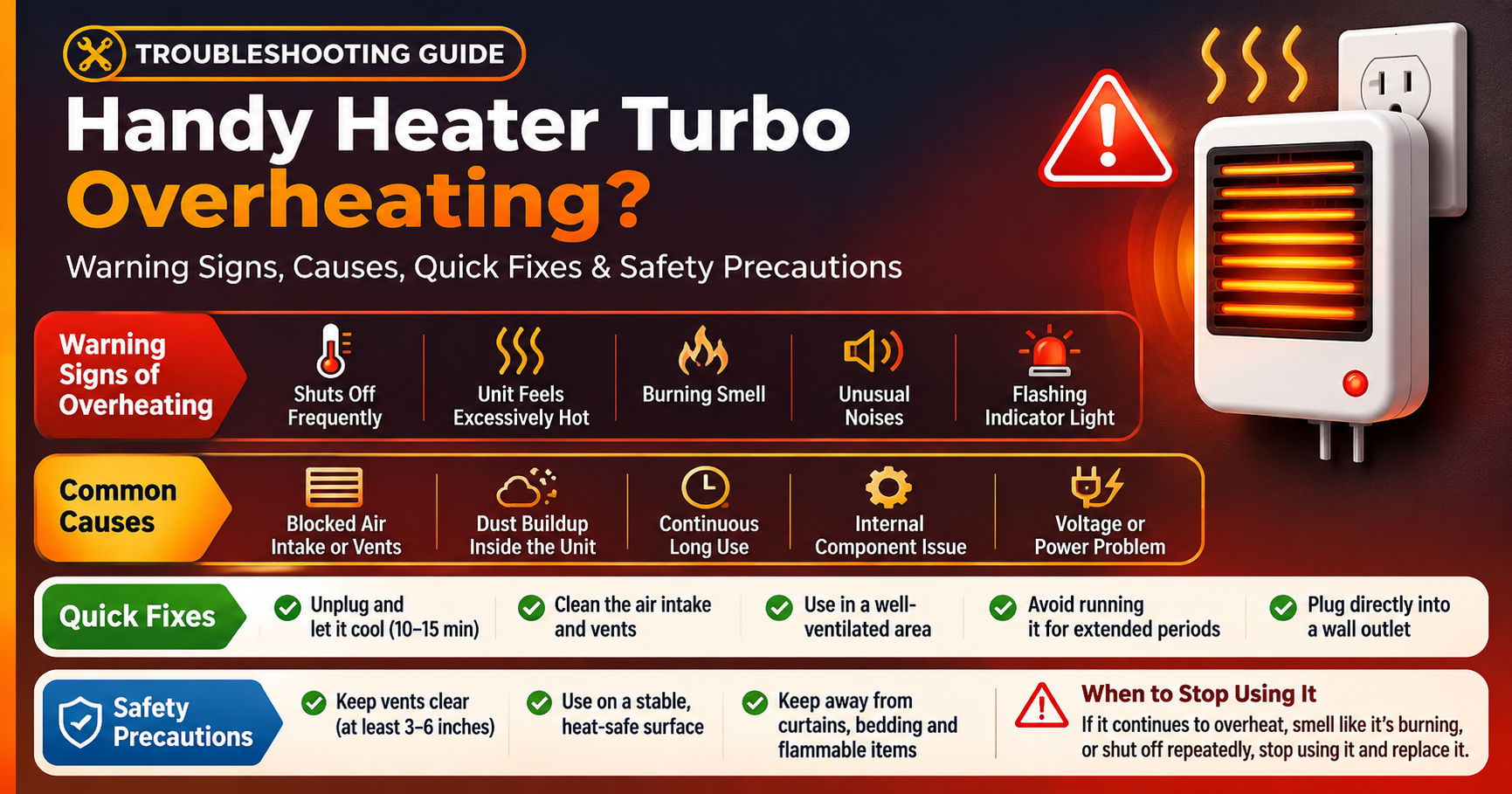
- Place it on a flat, hard surface. Keep at least 3 feet (about 1 meter) of clear space around it, away from curtains, bedding, furniture and paper.
- Plug it directly into a wall outlet. Avoid extension cords and power strips unless the manufacturer specifically allows them.
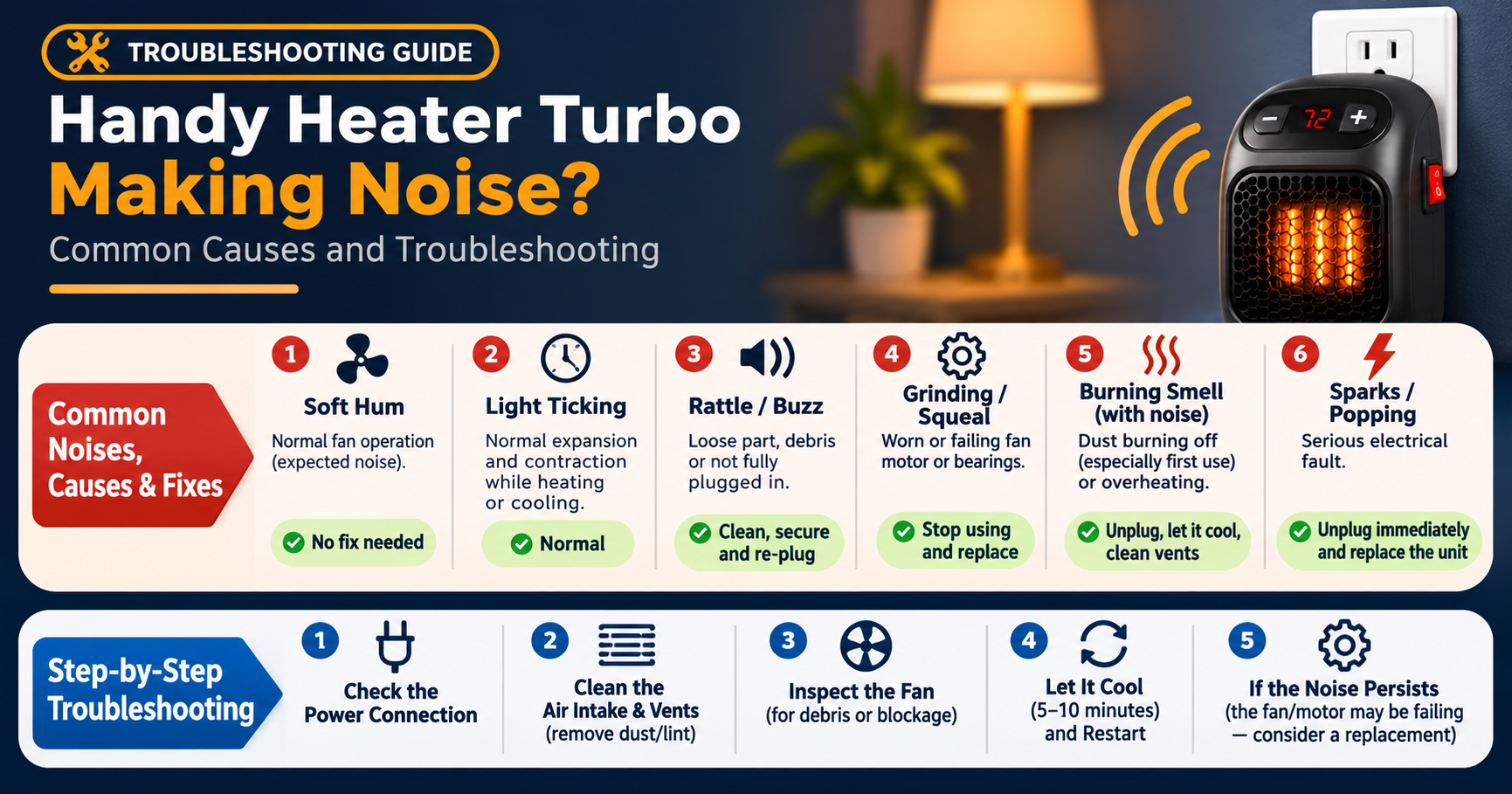
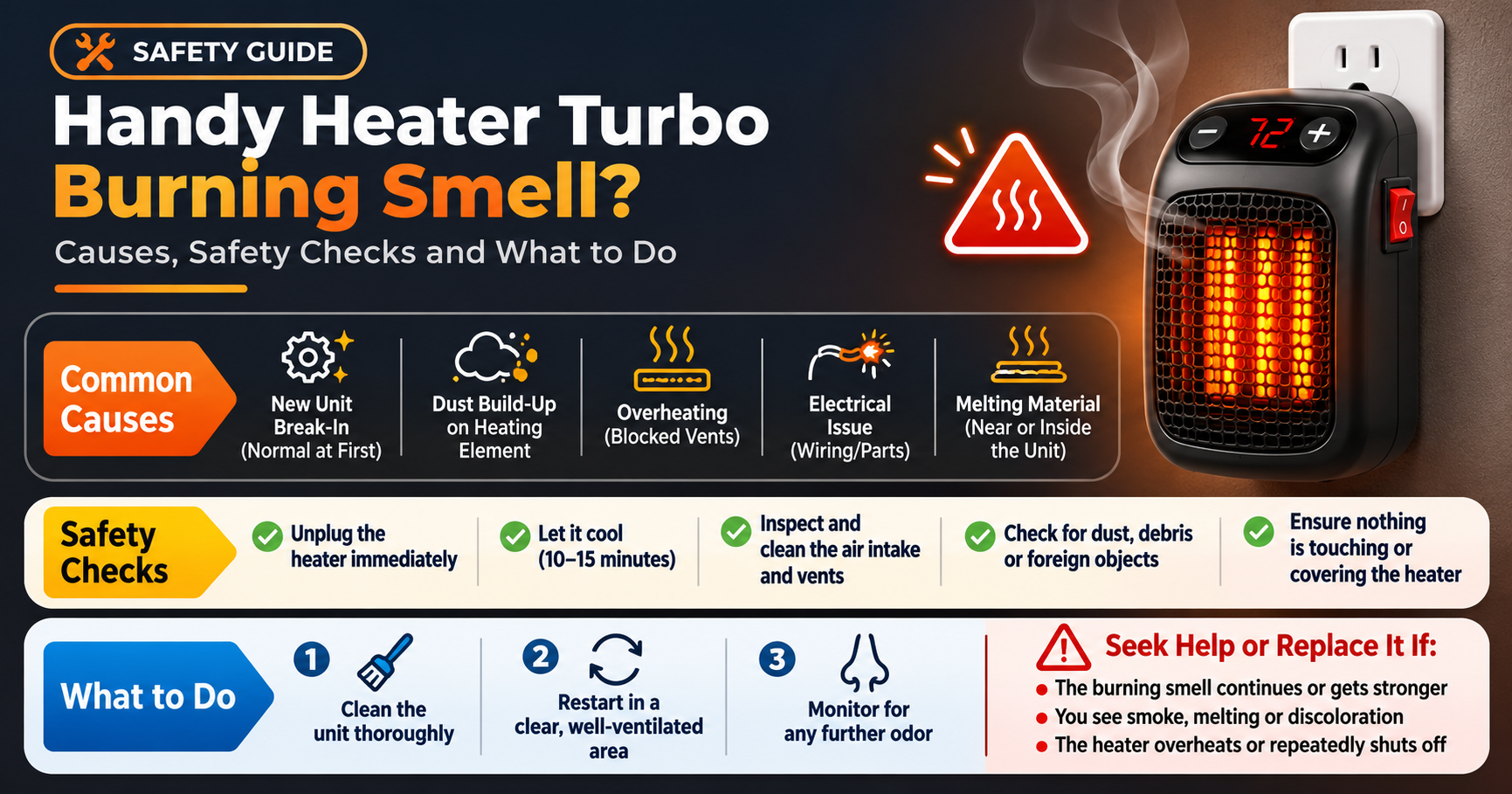
- Run a short test while you are present. It is normal for a slight smell to appear in the first few minutes as tiny dust particles burn off. If the smell is strong, smoke appears or the heater makes unusual noises, turn it off and unplug it immediately.
- Test the safety features. The thermostat and tip-over protection should work as described in the manual.
When to Replace Instead of Store
Not every heater deserves another season. Think about replacing the heater, instead of storing it, if you notice any of the following:
- A damaged, repaired or taped power cord
- Scorch marks, melted plastic or a burnt smell during normal use
- A plug that becomes very hot or does not fit tightly in the outlet
- Safety features that no longer work, such as a tip-over switch or overheat protection
- Repeated tripping of the circuit breaker when the heater is in use
- Rust or leaks on an oil-filled heater
- A heater that is many years old and no longer heats consistently
Safety should always come before saving a few dollars. A new heater with modern protection is a smart upgrade.
Choosing a Heater That Is Easy to Store
If you are planning to buy a new heater, storage-friendly design can make seasonal care much easier. Consider these features:
- Compact and lightweight body: Easier to carry, box and shelve.
- Built-in cord wrap or cord storage: Keeps the cable tidy and protected.
- Carry handle: Reduces the risk of dropping the heater while moving it.
- Removable or foldable stand: Allows flatter packing.
- Smooth, easy-to-clean surfaces: Saves time on seasonal cleaning.
- Washable or removable filter: Prevents dust from building up inside.
- Safety certifications and built-in protection: Tip-over shutoff and overheat protection are essential features for any portable heater.
Quick Do’s and Don’ts
Do
- Let it cool and unplug it first
- Clean and dry it fully
- Coil the cord loosely
- Use the original box or padded container
- Store it in a cool, dry indoor spot
- Inspect and test before next season
Don’t
- Store it warm, wet or dusty
- Wrap the cord tightly around the body
- Keep it in a damp basement or outdoor shed
- Place heavy objects on top of it
- Store it near paint, fuel or chemicals
- Use it again with a damaged cord
Frequently Asked Questions (FAQ)
How should I store a portable electric heater for summer?
Clean it, let it dry completely, coil the cord loosely, place it in its original box or a padded container, and keep it in a cool, dry indoor location away from moisture, sunlight and chemicals.
Can I store a portable heater in the garage?
It is better to avoid it. Garages often have large temperature swings, humidity, dust and chemicals. If a garage is your only option, use a sealed plastic bin with a moisture-absorbing packet, keep it off the floor on a shelf and inspect it carefully before using it again.
Is it safe to wrap the cord around the heater?
Only if the heater has a designed cord wrap and you keep the cord loose. Tight wrapping can damage the insulation and the wires inside over time.
Should I store an oil-filled heater upright?
Yes. Keep it upright unless the manufacturer says otherwise. Do not try to open it or remove the oil, because it is a sealed system.
Why does my heater smell when I turn it on after storage?
A mild dusty smell for a few minutes is common because small dust particles burn off the heating element. If the smell is strong, smells like burning plastic or is accompanied by smoke, turn it off and unplug it immediately, then have it checked.
How often should I clean my portable heater?
Dust it lightly every few weeks during the heating season, and do a more thorough clean before putting it into storage and again before using it next season.
Can I use silica gel packets in the storage box?
Yes. Silica gel or similar moisture-absorbing packets help keep the air dry inside the box and reduce the chance of condensation, rust and mold smells. Keep them away from children and pets.
Do I need to remove anything before storing the heater?
Remove batteries from the remote, take off any detachable stand or filter if the manual recommends it, and store small parts together in a labeled bag so nothing gets lost.
Final Thoughts
Storing a portable electric heater correctly is not complicated, but it makes a big difference. If you let it cool, clean and dry it, protect the cord, pack it carefully and keep it in a dry, cool place, your heater will stay safer, work more efficiently and serve you for many winters. A short inspection and test run before you use it again completes the process and gives you peace of mind when the temperature drops.
Follow these portable electric heater storage tips each year, and you will spend less on replacements, avoid unpleasant surprises and enjoy a warm, comfortable home all season long.
Always follow the manufacturer’s instructions for your specific heater model. This article provides general guidance only.