
When the temperature drops, a room heater feels like the best purchase you ever made. It warms a cold bedroom in minutes, costs little to run, and works exactly where you need it. But that same convenience hides a serious problem: room heater fire hazards are among the most common and most preventable causes of home fires during winter.
The good news is that almost every heater fire comes down to a handful of simple mistakes. Once you understand what those mistakes are, you can remove nearly all of the risk without giving up the warmth. This guide explains why heaters start fires, which habits are most dangerous, how to spot early warning signs, and what to look for when you choose a safer heater.
In This Guide
- How serious the problem really is
- Why room heaters cause fires
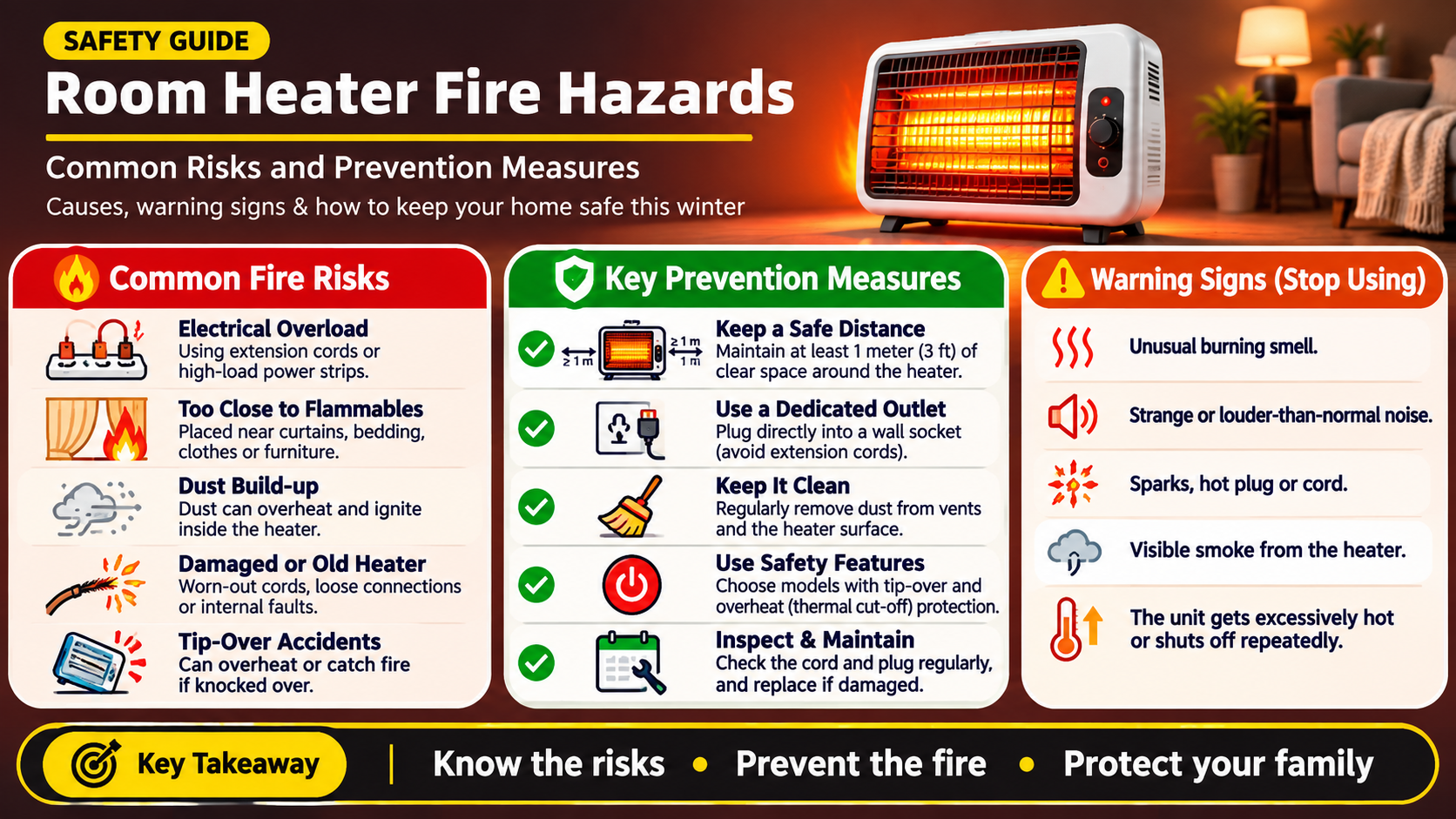
- The 6 most common fire hazards
- The 3-foot (1 metre) rule
- Warning signs you should never ignore
- Fire risks by heater type
- How to choose a safer heater
- Safe-use checklist and what to do in an emergency
- Frequently asked questions
How Serious Are Room Heater Fires?
Fire safety agencies in many countries consistently rank heating equipment among the leading causes of home fires, and portable space heaters account for a large share of those fires and an even larger share of the deaths they cause. Most of these incidents happen in the colder months, and many occur overnight, when people are asleep and cannot react quickly.
What makes the numbers frustrating is that these fires are rarely caused by a mysterious defect. In the majority of cases, something flammable was placed too close to the heater, the heater was plugged into a poor power source, or a worn part was ignored for too long. That means the risk is largely in your control.
Why Do Room Heaters Start Fires?
A room heater has one job: turn electricity (or fuel) into heat. To do that, the heating element or burner reaches very high temperatures. A ceramic or metal element can easily exceed several hundred degrees, which is more than enough to ignite paper, fabric, foam and wood if they get close enough or stay in contact long enough.
Fires usually begin in one of three ways:
- Radiant ignition: heat radiates across a gap and slowly dries out and ignites nearby material such as curtains or bedding, even without direct contact.
- Electrical overheating: a heater draws a lot of current. A weak socket, thin extension cord or damaged plug heats up at the connection point and melts or sparks.
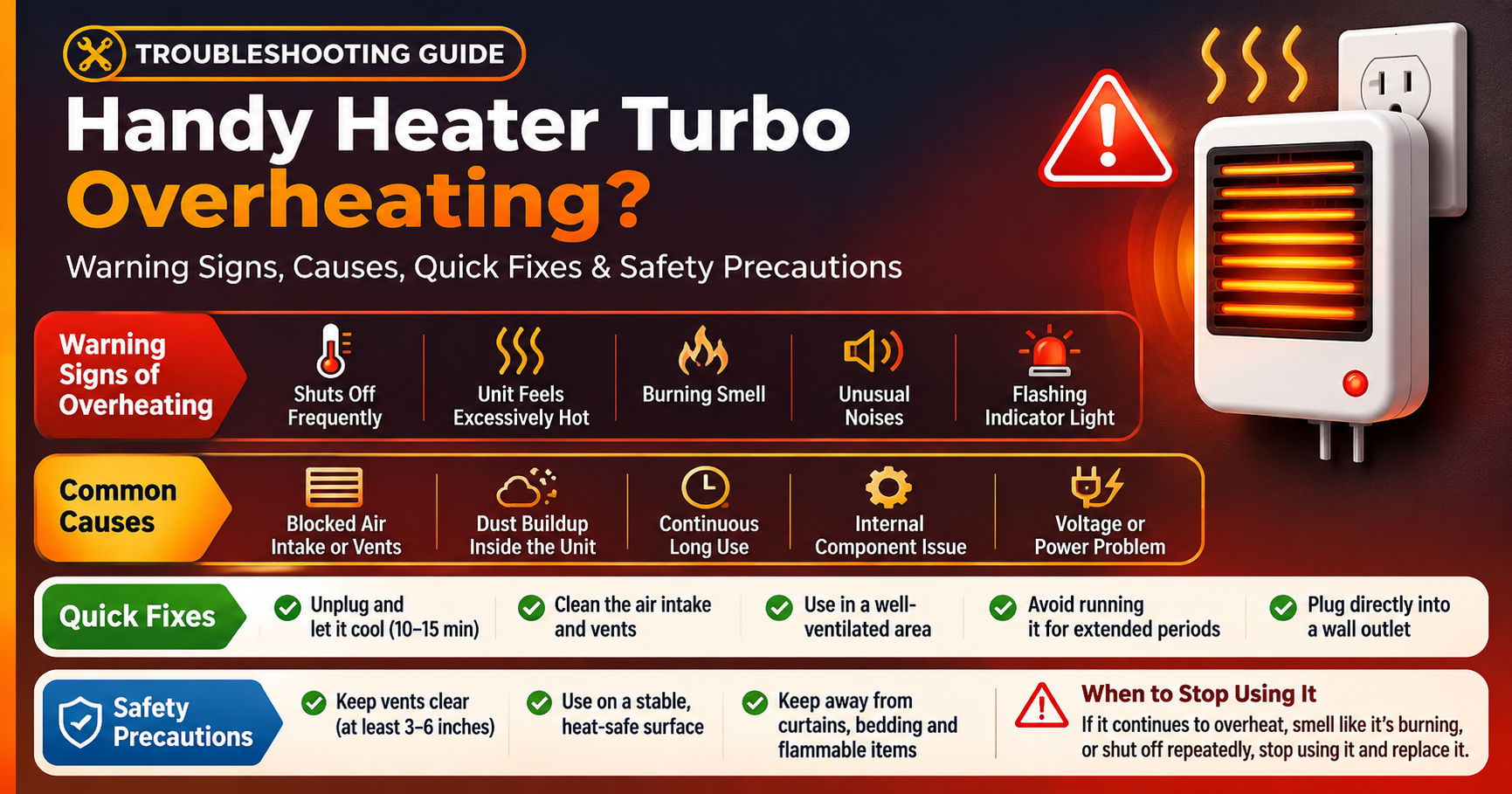
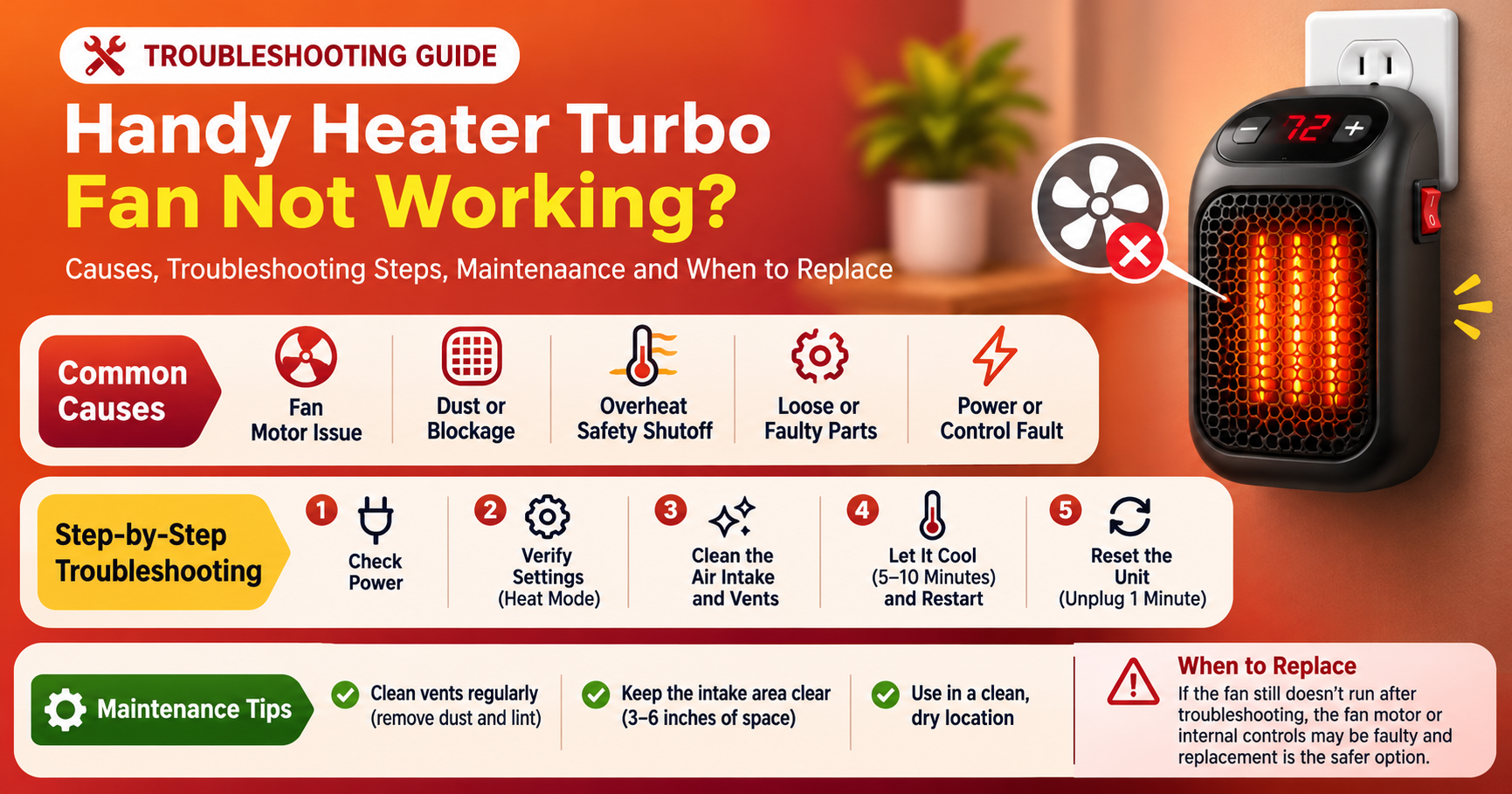
- Internal failure: dust, a faulty thermostat or a failed safety switch lets the heater run hotter than it was designed to.

The 6 Most Common Room Heater Fire Hazards
1. Placing the Heater Too Close to Flammable Items
This is the single biggest cause of heater fires. Curtains, blankets, sofas, mattresses, clothes drying racks, paper, cardboard and even wooden furniture can ignite when they are too close to a hot surface. People often do it without thinking, such as pushing the heater next to the bed to get warm faster, or draping a towel over it to dry.
Never dry clothes on or near a heater, and never cover it for any reason. Covering a heater traps heat, causes the unit to overheat and removes the airflow it needs to stay safe.
2. Using Extension Cords and Power Strips
Most room heaters draw a large amount of electricity compared with a lamp or a phone charger. A typical 1500-watt heater draws about 12.5 amps on a 120-volt supply, or roughly 7 amps on a 220-volt supply. Ordinary extension cords and multi-plug boards are often not built for that sustained load. The cord or the plug connection slowly heats up, the insulation softens, and eventually it can melt or arc.
Plug the heater straight into a wall socket whenever possible. If you absolutely must use an extension, choose a heavy-duty one rated well above the heater’s wattage, keep it fully uncoiled and never share the socket with other high-power appliances.
3. Dust, Lint and Pet Hair Buildup
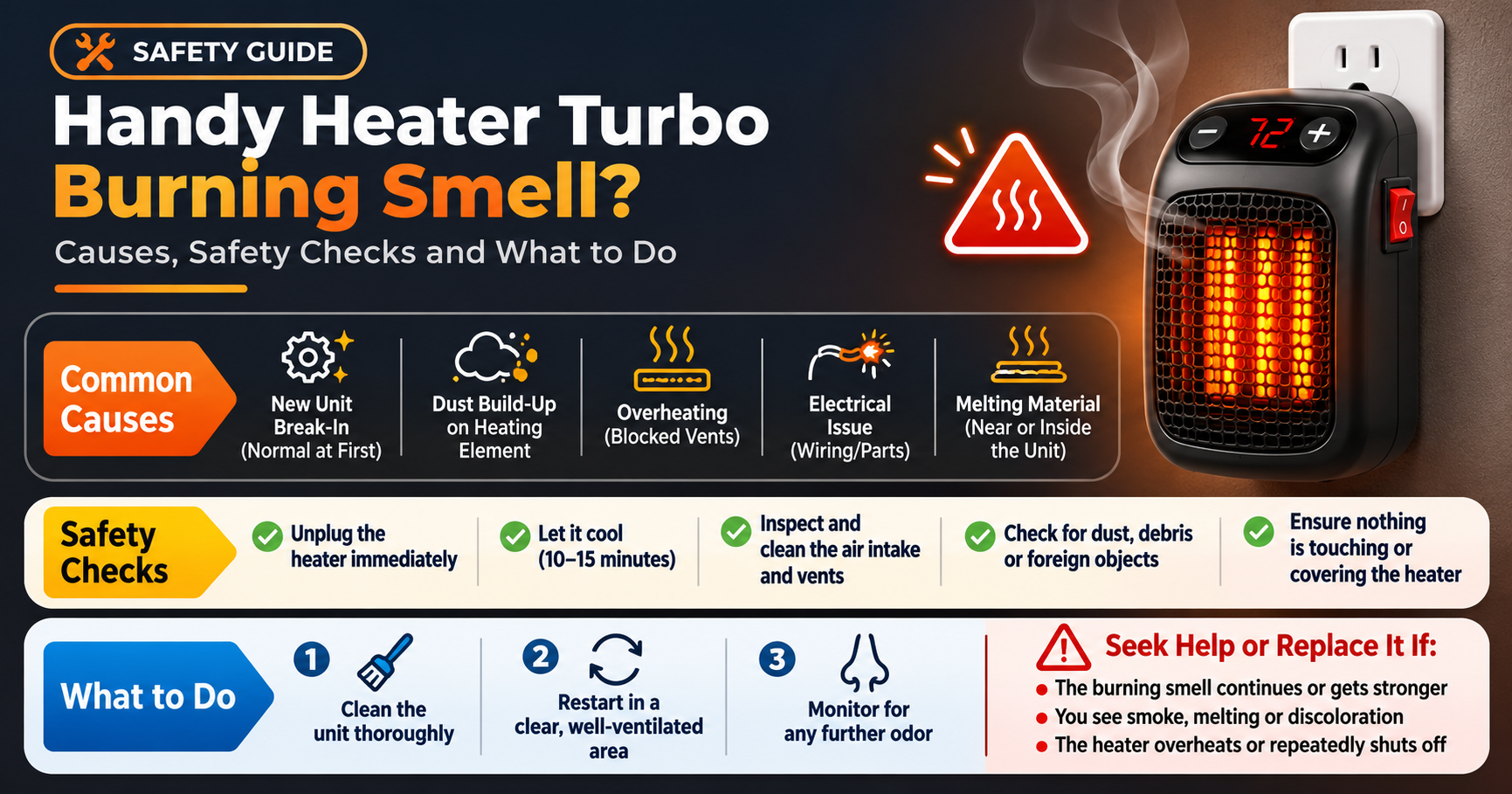
A heater that was stored all summer is often full of dust. When you switch it on, that dust sits directly on or beside a very hot element and burns, which creates the familiar burning smell. In a badly clogged unit, the buildup can smoulder or catch fire, and it also blocks airflow so the heater overheats. Pet hair and fabric lint make it worse.
4. Damaged Cords, Plugs and Sockets
Frayed, cracked, pinched or discolored cords are an invisible fire risk. A cord that has been bent sharply, run under a rug, crushed by furniture or chewed by a pet can overheat inside without any visible sign until it is too late. A plug that feels hot or looks darkened is already warning you that the connection is failing.
5. Tip-Overs and Unstable Placement
A heater that falls onto a carpet, bed or sofa can ignite it within minutes. Children, pets, uneven floors and accidental knocks are the usual causes. Modern heaters should include a tip-over switch that cuts the power automatically when the unit is no longer upright. Older or very cheap heaters sometimes lack it, or the switch has failed from age.
6. Leaving the Heater Unattended or On Overnight
A heater that runs while nobody is watching gives a small problem time to become a big one. A tipped heater, a hot cord or a smouldering patch of dust is much more dangerous when you are asleep or out of the house. Many serious heater fires begin during the night or when a home is empty.
Quick Rule
If you are leaving the room, going to sleep or leaving the house, switch the heater off and, ideally, unplug it. A cosy room is never worth the risk.
The 3-Foot (1 Metre) Rule
Safety experts everywhere agree on one simple guideline: keep everything that can burn at least 3 feet (about 1 metre) away from the front, sides and top of the heater. That includes curtains, bedding, sofas, clothes, paper, rugs and anything made of plastic or foam. It also includes children and pets, who should be kept well away from the unit.

Place the heater on a hard, flat, non-flammable surface such as tile or bare floor. Avoid putting it on carpet if you can, and never place it on a bed, sofa, table with a cloth cover, or any soft or uneven surface. Make sure the airflow openings at the front and back stay completely unobstructed.
Warning Signs You Should Never Ignore
Heaters usually warn you before something goes badly wrong. If you notice any of the following, switch the heater off, unplug it and stop using it until it has been checked or replaced.

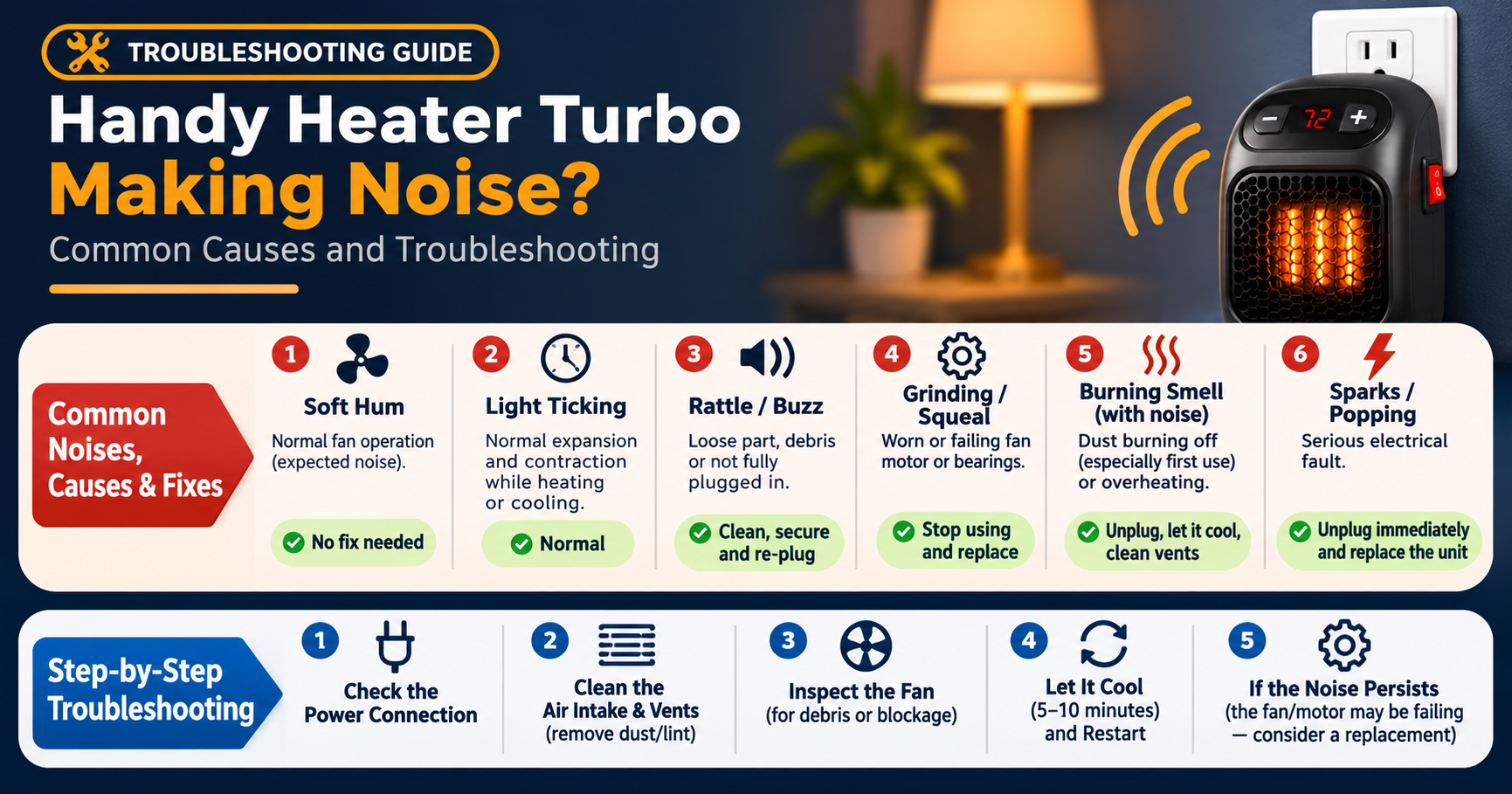
- A burning or melting plastic smell: a brief dusty smell on first use can be normal, but a strong or lasting burning odour is not.
- A hot, soft or discolored plug or cord: warm is normal for a powerful appliance, but hot enough to be uncomfortable to touch is a red flag.
- Sparks, crackling or popping sounds: these point to arcing in the wiring or the switch.
- Breakers that trip repeatedly: the circuit is being overloaded, or the heater has an internal fault.
- Scorch marks or discoloration on the casing: some part of the heater has already been far hotter than it should ever be.
- The heater switches itself on and off erratically: the thermostat or control board may be failing.
Fire Risks by Heater Type
Not all heaters carry the same risks. Here is how the most common types compare.
| Heater Type | Main Fire Risk | Relative Risk |
|---|---|---|
| Radiant / quartz / halogen | Exposed glowing element ignites nearby items | High |
| Coil fan heater | Dust burning on a hot coil; overheating if the fan fails | Medium to high |
| Ceramic fan heater | Overloaded socket; blocked vents | Medium |
| Oil-filled radiator | Covering the surface with clothes; hot cord | Lower |
| Convection panel heater | Blocked airflow; poor wiring | Lower |
| Gas / kerosene heater | Open flame, fuel leaks and carbon monoxide | High |
Heaters with exposed, glowing elements generally pose the greatest ignition risk because the hottest surface is open and uncovered. Heaters with enclosed elements and lower surface temperatures, such as oil-filled radiators, are usually safer around bedding and curtains, although they are not risk-free. Fuel-burning heaters bring an extra danger: carbon monoxide, an odourless gas that can be deadly. These should only be used with proper ventilation and a working carbon monoxide alarm.
How to Choose a Safer Room Heater
If you are buying a new heater, or replacing an old one, a few features make a big difference to safety. Look for these before you buy:
- Tip-over protection: an automatic switch that cuts power if the heater falls or leans.
- Overheat protection: a thermal cut-off that shuts the unit down if internal temperatures climb too high.
- Adjustable thermostat: keeps the heater from running flat out all the time.
- A cool-touch or enclosed design: especially important if you have children or pets.
- A built-in timer: helps you avoid leaving it on for hours by accident.
- A sturdy, wide base: makes it harder to knock over.
- A thick, well-insulated power cord: shorter cords encourage plugging straight into the wall.
- Recognised safety certification: look for a mark from a reputable testing or standards body for your region.
- An appropriate wattage for your room: an underpowered heater runs constantly, while an oversized one wastes power and strains your wiring.
Buying Tip
Avoid unbranded or extremely cheap heaters with no visible certification marks, no safety switches and no clear specifications. Saving a small amount on the price is not worth losing the safety features that prevent fires.
Room Heater Safety Checklist
Use this simple checklist every winter, and share it with everyone in your household. These habits will prevent the large majority of heater-related fires.

Before the Season Starts
- Inspect the cord, plug and body for cracks, fraying, discoloration or loose parts.
- Unplug the heater and clean dust from the vents and grille with a vacuum or a soft brush.
- Test the heater in a clear space and make sure it runs smoothly without strange smells or noises.
- Replace any heater that is old, damaged or has failed a safety check.
Every Time You Use It
- Place it on a flat, hard surface with at least 3 feet of clear space on all sides.
- Plug it directly into a wall socket and keep the cord untangled and out of walkways.
- Keep children and pets away, and never leave them alone in a room with a running heater.
- Switch it off and unplug it when you leave the room, go to bed or leave the house.
Protect Your Home
- Install smoke alarms on every floor and inside or near bedrooms, and test them monthly.
- If you use any fuel-burning heater, install a carbon monoxide alarm as well.
- Keep a suitable fire extinguisher where you can reach it quickly, and make sure everyone knows how to use it.
- Plan and practise an escape route so everyone knows what to do and where to meet outside.
What to Do If a Heater Catches Fire
If the worst happens, stay calm and remember that your safety matters more than your belongings.
- If the fire is very small and you can do so safely, switch the heater off at the wall or unplug it. Never touch it if the plug is burning or sparking.
- Never throw water on an electrical fire. Water conducts electricity and can make the situation far worse. Use a suitable extinguisher only if you are trained and the fire is small.
- If the fire is spreading or you are unsure, do not try to fight it. Get everyone out immediately, close doors behind you if you can, and call your local emergency number from outside.
- Stay out. Never go back inside for any reason once you have escaped.
Important
After any heater overheats, trips a breaker repeatedly or shows burn marks, do not simply start using it again. Have it inspected, or replace it. A heater that has already failed once can fail again, and the next time may be far more serious.
Frequently Asked Questions
Is it safe to leave a room heater on all night?
It is generally best not to. Even heaters with safety features can fail, and a fire is far more dangerous when everyone is asleep. If you need warmth at night, use a heater with a timer to warm the room before bed, then switch it off and rely on warm bedding.
Can a room heater catch fire by itself?
Yes, although it is rare in a well-made, well-maintained unit. Internal faults, heavy dust buildup, a failed thermostat or a damaged cord can all cause a heater to overheat and ignite without anything flammable being near it. Regular cleaning and inspection greatly reduce this risk.
Is it safe to plug a heater into an extension cord?
It is best to avoid it. A heater should go straight into a wall socket. If there is truly no alternative, use a heavy-duty cord rated well above the heater’s power, fully uncoiled, as short as possible, and never share it with other appliances.
Which type of heater is the safest?
No heater is completely risk-free, but models with enclosed heating elements and lower surface temperatures, such as oil-filled radiators and modern convection heaters, tend to be safer around fabrics and bedding. Whatever the type, look for tip-over protection, overheat protection and a thermostat.
How far should a heater be from the bed?
At least 3 feet (about 1 metre) in every direction, and further is better. Never place a heater on a bed or at the foot of a bed where blankets can slip towards it.
Why does my heater smell like burning?
A faint dusty smell the first time you switch it on after months of storage is common and should fade within a few minutes. A strong, persistent or plastic-like burning smell is not normal. Turn the heater off, unplug it and do not use it until it has been cleaned and checked.
Should I unplug my heater when I am not using it?
Yes, it is a good habit. Unplugging removes any chance of the heater switching on accidentally or developing a fault while unattended, and it lets you check the cord and plug each time.
Final Thoughts
A room heater can keep your home comfortable all winter, but it needs respect. Almost every heater fire traces back to a small set of preventable mistakes: flammable items too close, poor power connections, dust buildup, damaged cords, tip-overs and leaving the heater running unattended.
Keep a 3-foot clear zone, plug directly into the wall, clean the vents, replace damaged equipment, and never run a heater while you sleep or are out. Choose a heater with tip-over and overheat protection, and back it up with working smoke alarms. These simple habits cost almost nothing, and they protect the people and the home you care about most.
This article is for general information and awareness only. Always follow the manufacturer’s instructions for your specific heater and the safety regulations in your area, and consult a qualified electrician if you have any doubts about your wiring or equipment.