There is nothing more frustrating than switching on your portable electric heater on a freezing evening and getting nothing: no warmth, no glow, or maybe just a weak puff of cold air. The good news is that most portable electric heater problems are caused by simple, fixable issues such as a tripped breaker, a dirty vent, a safety switch or a wrong setting. In many cases you can get your heater working again in under ten minutes without any tools.
This complete guide explains why a portable electric heater stops working, how to diagnose each symptom step by step, how to maintain it so the problem does not return, and how to decide when it is time to replace it.
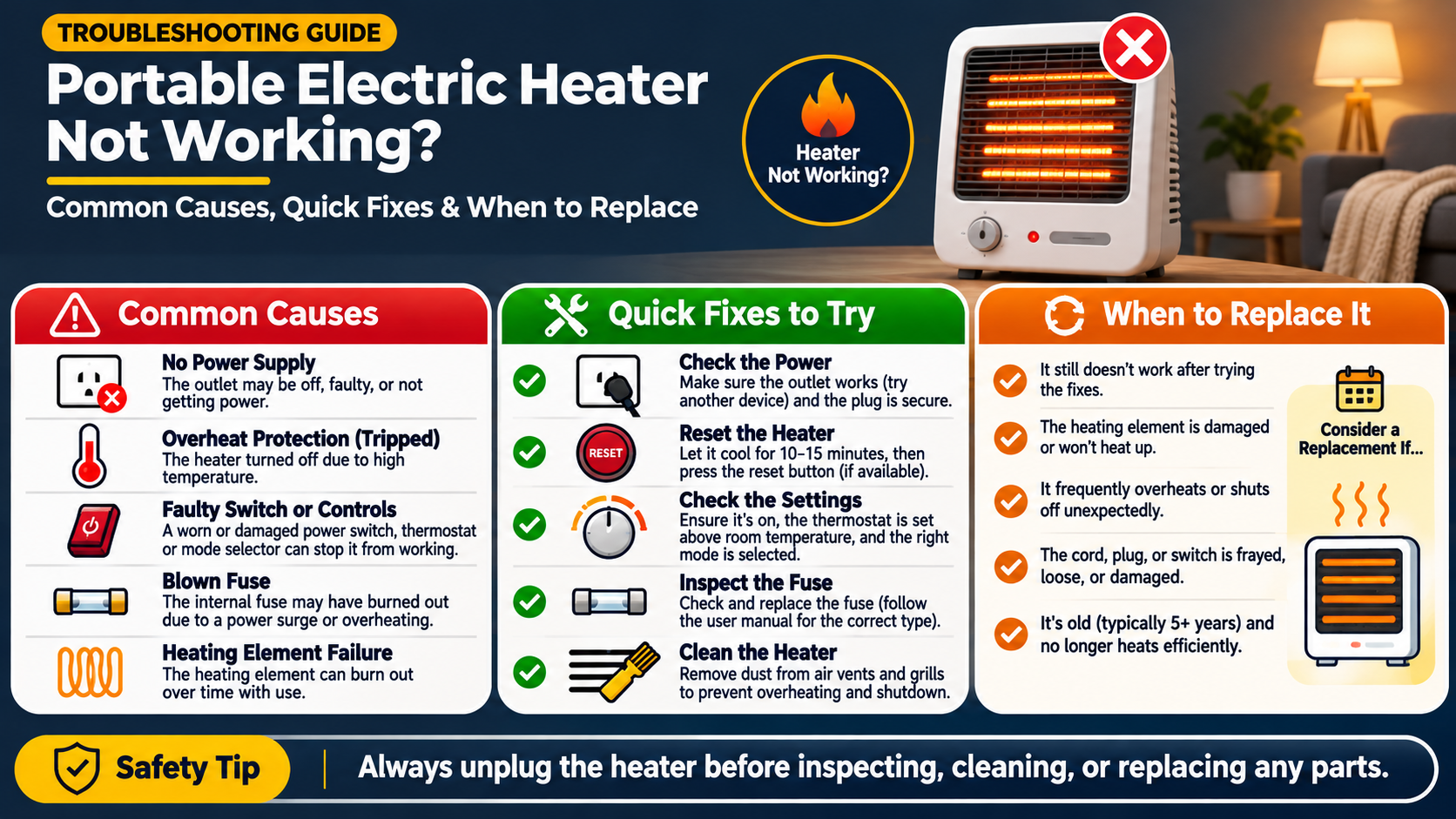
Quick Answer: Why Is My Portable Electric Heater Not Working?
The most common causes are:
- No power at the outlet (tripped breaker, GFCI or loose plug)
- Thermostat set lower than the room temperature
- Tip-over switch not engaged because the heater is on an uneven surface
- Overheat protection triggered by dust and blocked vents
- Damaged power cord or plug
- Burnt-out heating element or faulty thermostat or switch
Safety First: Read This Before Troubleshooting
A portable heater draws a lot of electricity, typically 1,000 to 1,500 watts, so safety comes before any repair attempt. Follow the rules below every time.
- Unplug the heater and let it cool completely before you touch or inspect it.
- Do not open the casing if the unit is under warranty. Opening it can void the guarantee.
- Never use an extension cord or a power strip. Heaters pull high current, and thin cords can overheat and melt.
- If you smell burning plastic, see melted plugs or smoke, stop using the heater immediately.
How a Portable Electric Heater Works
Understanding the basic parts makes troubleshooting much easier. When you turn the heater on, electricity flows through a heating element (a coil, a ceramic plate or an oil-filled column). The element heats up, and a fan or natural convection spreads that heat into the room. A thermostat switches the element on and off to hold the temperature you selected, while safety devices such as the tip-over switch and the overheat sensor cut the power if something is unsafe.
If any one of these parts fails or is triggered, the heater can stop working even though everything else is fine.
Step-by-Step Troubleshooting Flowchart
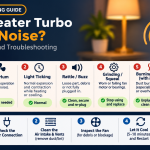
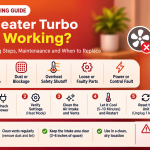
Start with the flowchart below. It points you to the most likely cause based on what your heater is doing, and the detailed fixes follow in the next section.
Common Portable Heater Problems and How to Fix Them
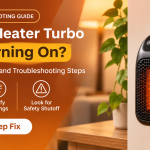
1. The Heater Will Not Turn On at All
If there is no light, no sound and no display, the heater is not getting electricity.
- Test the outlet. Plug in a lamp or phone charger to confirm the outlet works.
- Check the circuit breaker. High-wattage heaters often trip breakers, especially if other appliances share the circuit. Reset the breaker fully (off, then on).
- Press the GFCI reset button if the outlet is in a bathroom, kitchen or garage.
- Inspect the plug and cord. A hot, discolored or loose plug, or a cord with cracks or kinks, means the heater should not be used until it is repaired or replaced.
- Look for a reset button on the plug. Many heaters have a built-in safety plug with TEST and RESET buttons. Press RESET firmly until it clicks.
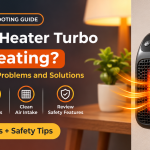
2. The Heater Turns On but Produces No Heat
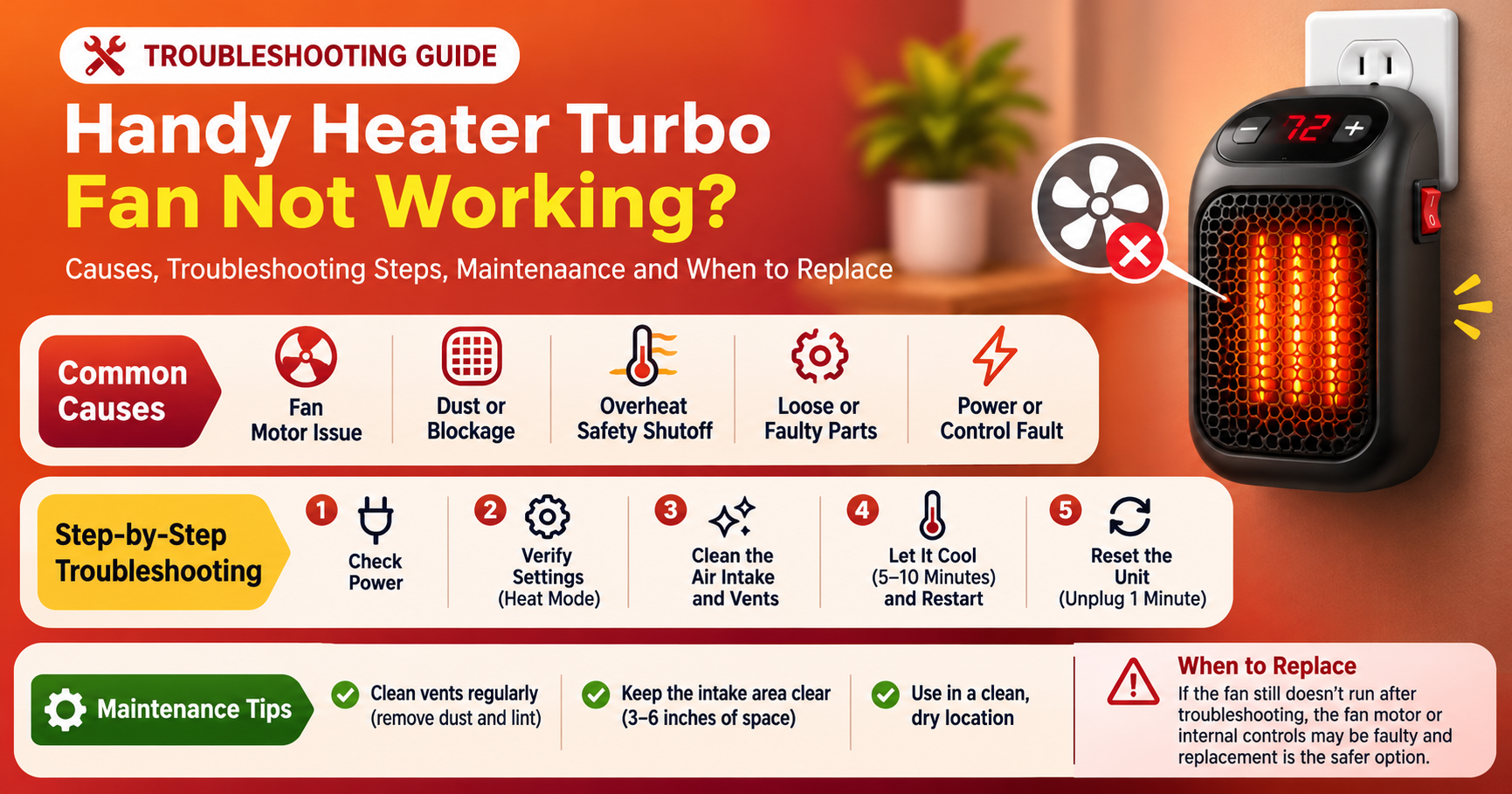
The fan runs or the light comes on, yet the air stays cold. This usually points to one of the following:
- Thermostat set too low. Turn the dial to maximum. If the heater starts heating, the setting was the problem.
- Wrong mode. Many models have a fan-only mode, low, high or eco mode. Make sure heat is selected.
- Faulty thermostat. If the heater only works at maximum or never clicks when you turn the dial, the thermostat may be worn.
- Burnt-out heating element. If the fan works but the element never glows or warms, it has likely failed. On most budget heaters, replacing the whole unit costs less than repairing it.
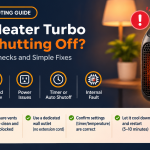
3. The Heater Shuts Off by Itself
This is one of the most common complaints, and it is nearly always a safety feature doing its job.
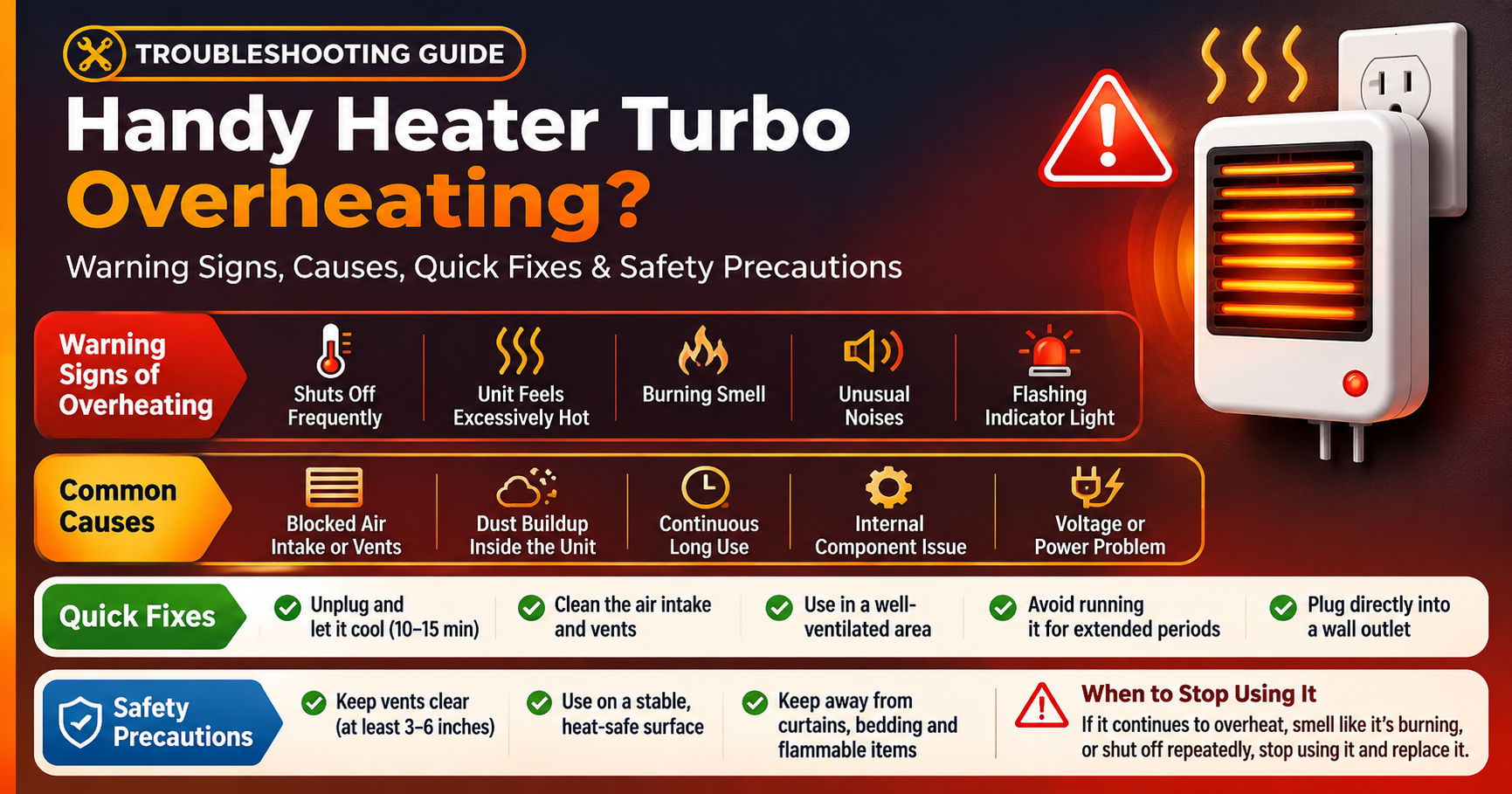
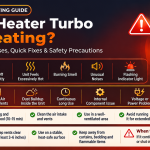
- Overheat protection: Dust and pet hair block the air intake and outlet, causing the internal temperature to rise. Unplug the heater, wait 30 minutes, then clean the vents with a soft brush or a vacuum with a brush attachment.
- Tip-over switch: If the heater sits on carpet, a slope or a thick rug, the switch may think it has tilted. Move it to a flat, hard surface.
- Timer or eco mode: Some models switch off automatically. Check the timer settings or the remote.
- Reaching the set temperature: In a small room, the thermostat may simply be cycling off because the room is warm enough.
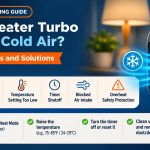
4. The Heater Blows Cold Air
Cold air can mean the heating element has failed, the thermostat is calling for no heat, or the unit is in fan-only mode. Check the mode first. If the setting is correct and the air stays cold after five minutes at maximum, the element or the internal thermal fuse is probably damaged.
5. The Heater Keeps Tripping the Circuit Breaker
A 1,500 W heater draws around 12.5 amps on a 120 V circuit, which is close to the limit of a typical 15 A circuit. If a TV, microwave, kettle or air conditioner shares that circuit, the breaker will trip. Try these fixes:
- Plug the heater into a different circuit with nothing else running on it.
- Switch to the low-wattage setting (for example 750 W or 900 W).
- If the breaker trips instantly even when nothing else is on, the heater may have an internal short. Stop using it and have it checked by a professional or replace it.
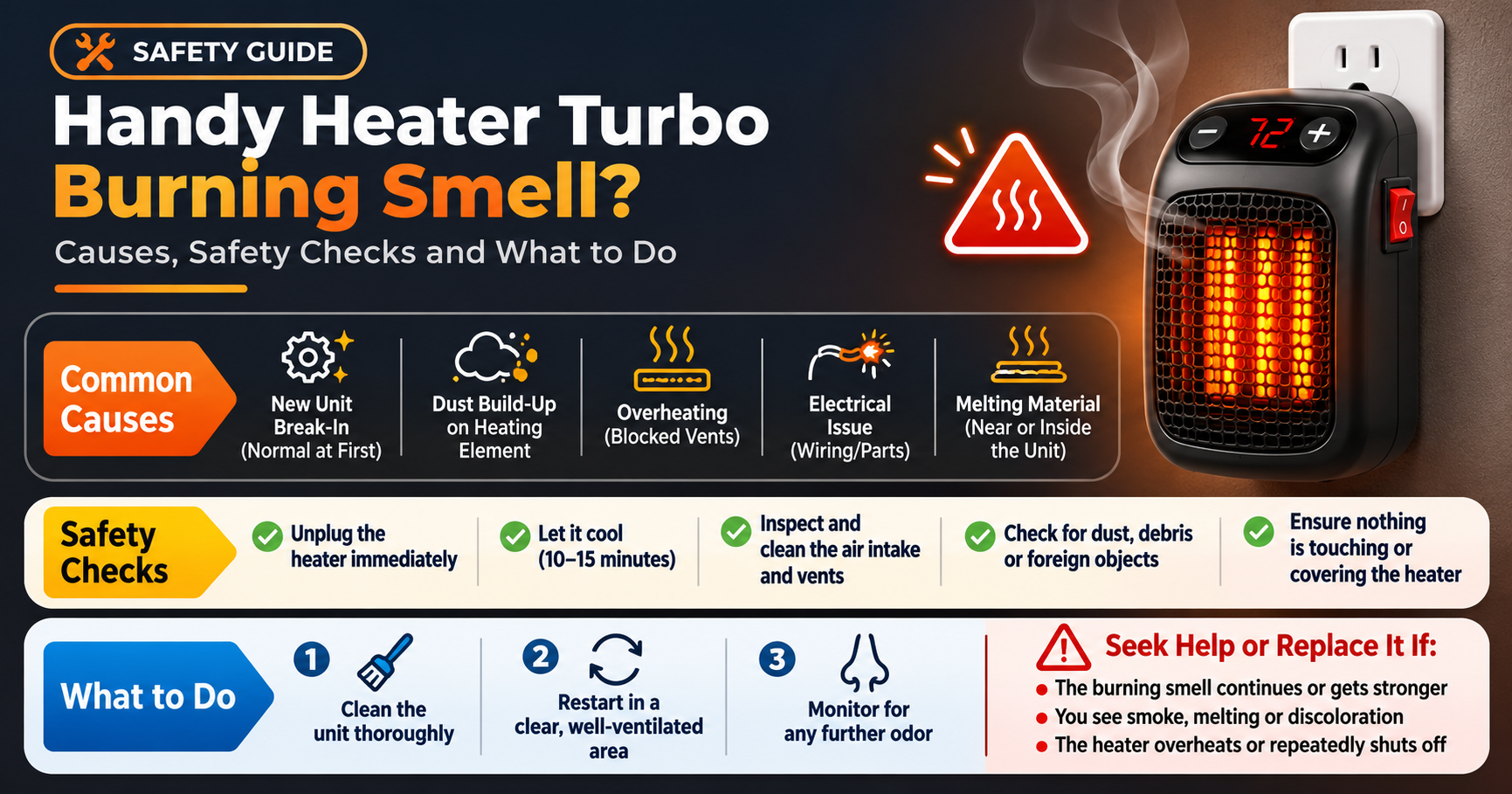
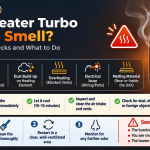
6. Burning Smell or Smoke
A light dusty smell the first time you use a heater in a new season is normal. It is simply dust burning off the element. However, a strong smell of burning plastic, a sharp electrical odor or visible smoke is a serious warning. Unplug the unit immediately, do not use it again, and replace it.
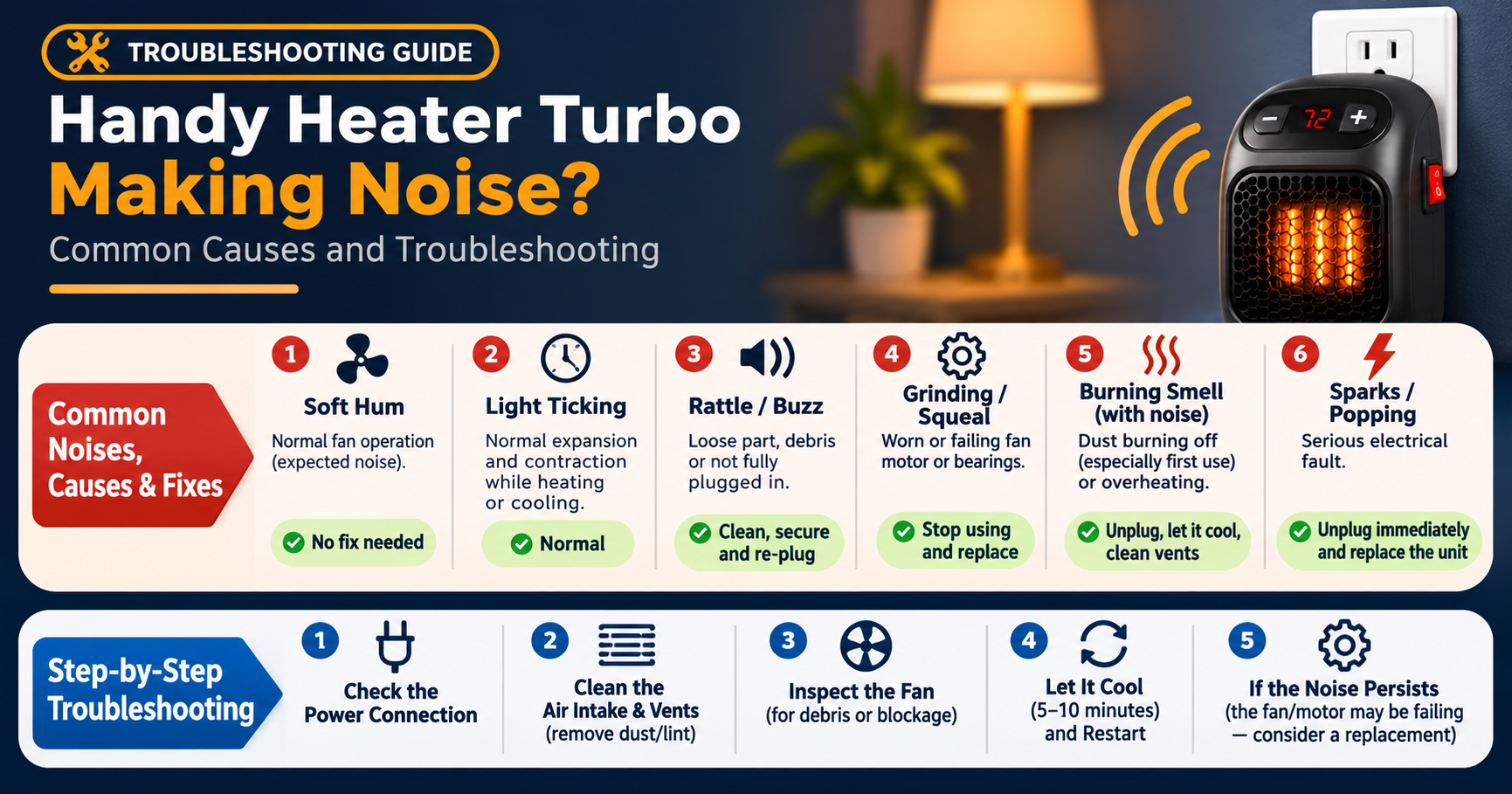
7. Strange Noises: Clicking, Buzzing or Rattling
- Light clicking: normal expansion of metal parts as they heat and cool.
- Rattling or grinding: a loose fan blade or dust on the fan. Unplug and clean it.
- Loud buzzing: may indicate an electrical fault. Stop using the heater.
8. Remote Control or Digital Display Not Working
- Replace the remote batteries and make sure there is a clear line of sight to the sensor.
- Unplug the heater for five minutes to reset the control board, then plug it back in.
- If the display shows an error code, check the user manual. Many error codes point to a sensor fault or overheating.
9. Oil-Filled Radiator Not Heating Properly
Oil-filled heaters take 15 to 30 minutes to warm up, so they can seem broken when they are not. If the fins stay cold after 30 minutes, check the thermostat and power switch settings. A sealed oil radiator should never be opened or refilled. If it leaks oil, it must be replaced.
10. Ceramic and Infrared Heaters: Special Notes
Ceramic heaters rely on a fan, so a failing fan can trigger the overheat sensor. Infrared quartz heaters heat objects and people directly rather than the air, so you may feel less warmth if you sit outside the beam. This is normal behavior, not a defect.
Symptom, Cause and Fix at a Glance
| Symptom | Most Likely Cause | Quick Fix |
|---|---|---|
| No lights, no sound | No power, tripped breaker or GFCI | Test outlet, reset breaker and plug reset button |
| Fan runs, no heat | Thermostat too low or failed element | Raise thermostat and check mode; replace if element is dead |
| Shuts off after minutes | Overheat sensor or tip-over switch | Clean vents and move to a flat surface |
| Trips the breaker | Overloaded circuit | Use a dedicated outlet or lower setting |
| Burning smell | Dust, or an electrical fault | Unplug at once and replace if smell persists |
| Remote not responding | Dead batteries or control board glitch | Change batteries and reset the unit |
How to Reset a Portable Electric Heater
- Turn the heater off and unplug it from the wall.
- Wait at least 15 to 30 minutes so the safety sensors can cool and reset.
- Clean the vents and intake grille.
- Place the heater on a flat, hard surface in an open area.
- Plug it directly into a wall outlet and turn it on at the lowest setting, then increase slowly.
Maintenance Tips to Prevent Future Problems
- Vacuum the grille and vents at least once a month during heavy use.
- Store the heater in a dry place with the cord loosely wrapped, never tightly coiled.
- Check the plug and cord for heat damage at the start of every winter.
- Keep pets, children and flammable items away from the unit.
- Do not run the heater unattended for long periods or while you sleep unless it has automatic shut-off features that you trust.
Repair or Replace? How to Decide
Portable heaters are inexpensive, so replacement is often more practical than repair. Use these guidelines:
- Repair makes sense if the problem is a tripped breaker, a dirty vent, a dead remote battery or a simple setting.
- Replace the heater if it is more than 5 to 7 years old, has a damaged cord or plug, melted parts, a burnt element, or smells like burning each time it runs.
- Contact the manufacturer first if the heater is still under warranty.
Buying Guide: What to Look for in a Replacement Portable Heater
If you decide to buy a new heater, these features help you choose a safer and more reliable model:
- Heater type: Ceramic heaters warm small rooms quickly. Oil-filled radiators give steady, silent heat for bedrooms. Infrared models heat people directly and suit open or drafty spaces. Fan heaters are cheap and compact but can be noisy.
- Room size and wattage: As a rule of thumb, you need about 10 watts per square foot of floor space. A 1,500 W heater is usually enough for a room up to 150 square feet.
- Safety certifications: Look for UL, ETL, CE or an equivalent mark from a recognized testing lab.
- Safety features: Tip-over protection, overheat protection, a cool-touch housing and an auto shut-off timer are essential.
- Adjustable thermostat: Gives better comfort and lower electricity use.
- Energy-saving mode: Eco settings cycle the heater to reduce power consumption.
- Noise level: Check the decibel rating if you plan to use it in a bedroom or office.
- Portability: A carry handle, cord storage and a lightweight body make moving it easier.
- Warranty: A one- to three-year warranty shows the manufacturer stands behind the product.
Frequently Asked Questions
Why does my space heater turn on but not get hot?
The most likely reasons are a low thermostat setting, the unit being in fan-only mode, or a failed heating element. Raise the thermostat and confirm the mode before concluding that the heater is broken.
Why does my portable heater keep turning off?
This is usually the overheat protection or tip-over switch. Clean the vents, give the unit space, and place it on a firm, level surface.
Is it normal for a heater to smell the first time I use it?
Yes. A mild dusty smell for a few minutes is normal after storage. If a strong burning odor lasts, stop using the heater.
Can I fix a broken heating element myself?
It is possible on some models, but it involves opening a high-power electrical device. For most people and for most inexpensive heaters, replacement is safer and cheaper.
Can I use an extension cord with my heater?
It is not recommended. Always plug the heater directly into a wall outlet. If you absolutely must use an extension cord, it must be a heavy-duty cord rated for the heater’s wattage.
How long does a portable electric heater last?
With regular cleaning and careful use, most portable heaters last 3 to 10 years depending on build quality and how often they are used.
Is it safe to leave a portable heater on overnight?
Fire safety experts generally advise against leaving any portable heater running while you sleep or when you are away from home. If you must use one, choose a model with certified safety features and keep it well clear of bedding.
Final Thoughts
When your portable electric heater stops working, do not panic. Start with the simple checks: power supply, thermostat, mode, tip-over switch and dusty vents. These solve the majority of problems. If the heater shows signs of electrical damage, a burning smell, or a dead element, replace it with a certified model that fits your room size and includes modern safety features. Taking a few minutes for regular cleaning each month will keep your heater safe, efficient and ready for the next cold night.
Disclaimer: This article is for general information only. If you are unsure about any electrical issue, contact a qualified electrician or the manufacturer’s support team.