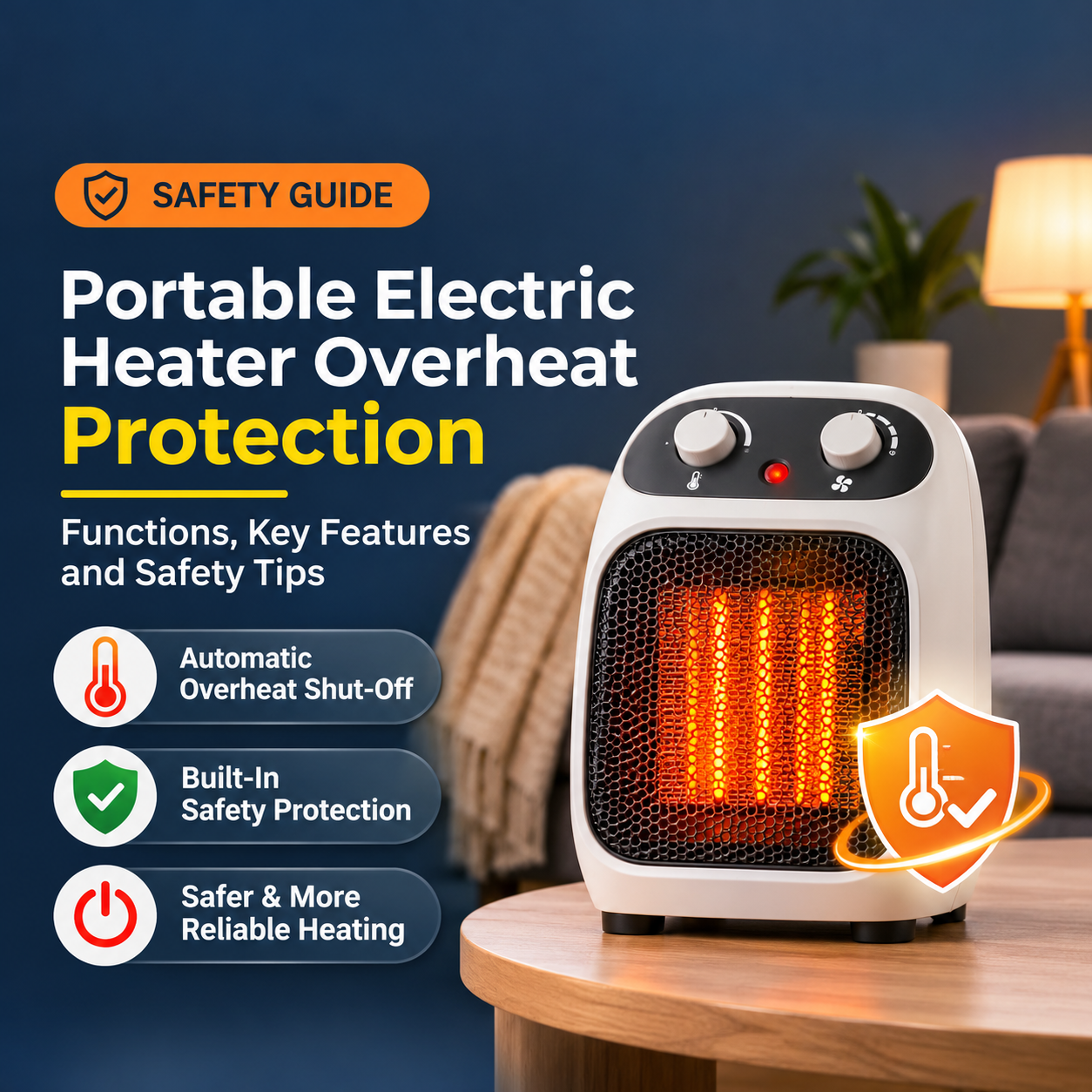
A portable electric heater is one of the easiest ways to warm up a bedroom, home office or small living area without running central heating. It is also an appliance that runs hot for hours at a time, which is why overheating protection is the single most important safety feature to understand before you buy one. This guide explains how portable electric heater overheating protection works, which types exist, how to check that a heater really has it, and how to use your heater so that the protection never has to step in.
What Is Overheating Protection in a Portable Electric Heater?
Overheating protection is a built-in safety system that automatically switches the heater off when its internal temperature rises above a safe limit. Every electric heater produces heat by passing current through a heating element, and that element must release its heat into the room. If airflow is blocked, if the fan stops, or if something covers the unit, the heat has nowhere to go. Temperatures inside the casing climb quickly, and without a cutoff the plastic housing, wiring and nearby objects can ignite.
The protection system exists to break that chain. It senses the temperature, decides that it is too high, and cuts power to the heating element before damage or fire can occur.
Why Overheating Protection Matters
Heating equipment is consistently listed among the leading causes of home fires, and portable heaters account for a large share of them. Most of these incidents are not caused by faulty heaters alone. They happen when a heater is placed too close to bedding, curtains or furniture, or when it is plugged into an unsuitable extension cord. A heater with reliable overheating protection gives you a safety margin when ordinary mistakes happen.
- Protects your home: it reduces the risk of fire if vents are blocked or the unit is covered.
- Protects the heater: it prevents internal components from burning out, which extends the product’s life.
- Protects people and pets: it lowers the chance of burns and smoke exposure, especially in homes with children.
- Gives peace of mind: you can leave a heater running while you work or relax without constantly worrying.
How Overheating Protection Works
Most modern heaters use a layered approach. A temperature sensor monitors heat near the element or the air outlet. A control circuit compares the reading with a safe limit. If the limit is exceeded, a switch or fuse interrupts the power supply. The diagram below shows the typical sequence.
The key idea is redundancy. The first layer is usually the main thermostat or sensor, which switches the heater off and on to keep the room at your chosen temperature. The second layer is a dedicated safety device that only activates when something has gone wrong. If one layer fails, the other still protects you.
Types of Overheating Protection You Will Find
1. Thermal Cutoff Switch (Resettable)
This is a bimetallic switch made from two metals that expand at different rates. When temperatures rise too high, the strip bends and opens the circuit, cutting power. When the heater cools down, the strip returns to its original shape and the heater can work again, either automatically or after you press a reset button. It is the most common safety device in affordable and mid-range heaters.
2. Thermal Fuse (One-Time)
A thermal fuse contains a small element that melts at a specific temperature, permanently breaking the circuit. Because it cannot reset, it acts as the last line of defense when other protections fail. If a heater stops working permanently after an overheating event, a blown thermal fuse is often the reason, and the unit should be inspected or replaced rather than bypassed.
3. Electronic Temperature Sensors (Thermistors)
Many digital heaters use thermistors, small sensors whose electrical resistance changes with temperature. A control board reads them continuously and shuts the heater down when readings exceed the safe range. Electronic sensing is faster and more precise than purely mechanical devices, and it often displays an error code so you know what happened.
4. Tip-Over Switch
Although it detects position rather than heat, a tip-over switch is part of the overall overheating strategy. A heater lying on its side or face down cannot release heat properly and may rest against flammable material. The switch, usually a small weighted mechanism or tilt sensor, cuts power immediately when the unit tilts or falls.
5. Self-Regulating Ceramic (PTC) Elements
PTC ceramic heaters use an element whose electrical resistance rises as it heats up, which naturally limits the current and the surface temperature. This makes them inherently more resistant to overheating than basic coil heaters. They still need a thermal cutoff as backup, but the self-regulating design adds an extra layer of safety.
Quick Comparison of Protection Types
| Protection type | How it triggers | Resets? | Best role |
|---|---|---|---|
| Thermal cutoff switch | Bimetal strip bends at high heat | Yes | Everyday overheating shutdown |
| Thermal fuse | Element melts at set temperature | No | Final backup protection |
| Thermistor sensor | Resistance change read by circuit | Yes | Precise digital monitoring |
| Tip-over switch | Tilt or fall detected | Yes, when upright | Prevents face-down heating |
| PTC ceramic element | Resistance rises with temperature | Automatic | Built-in temperature limiting |
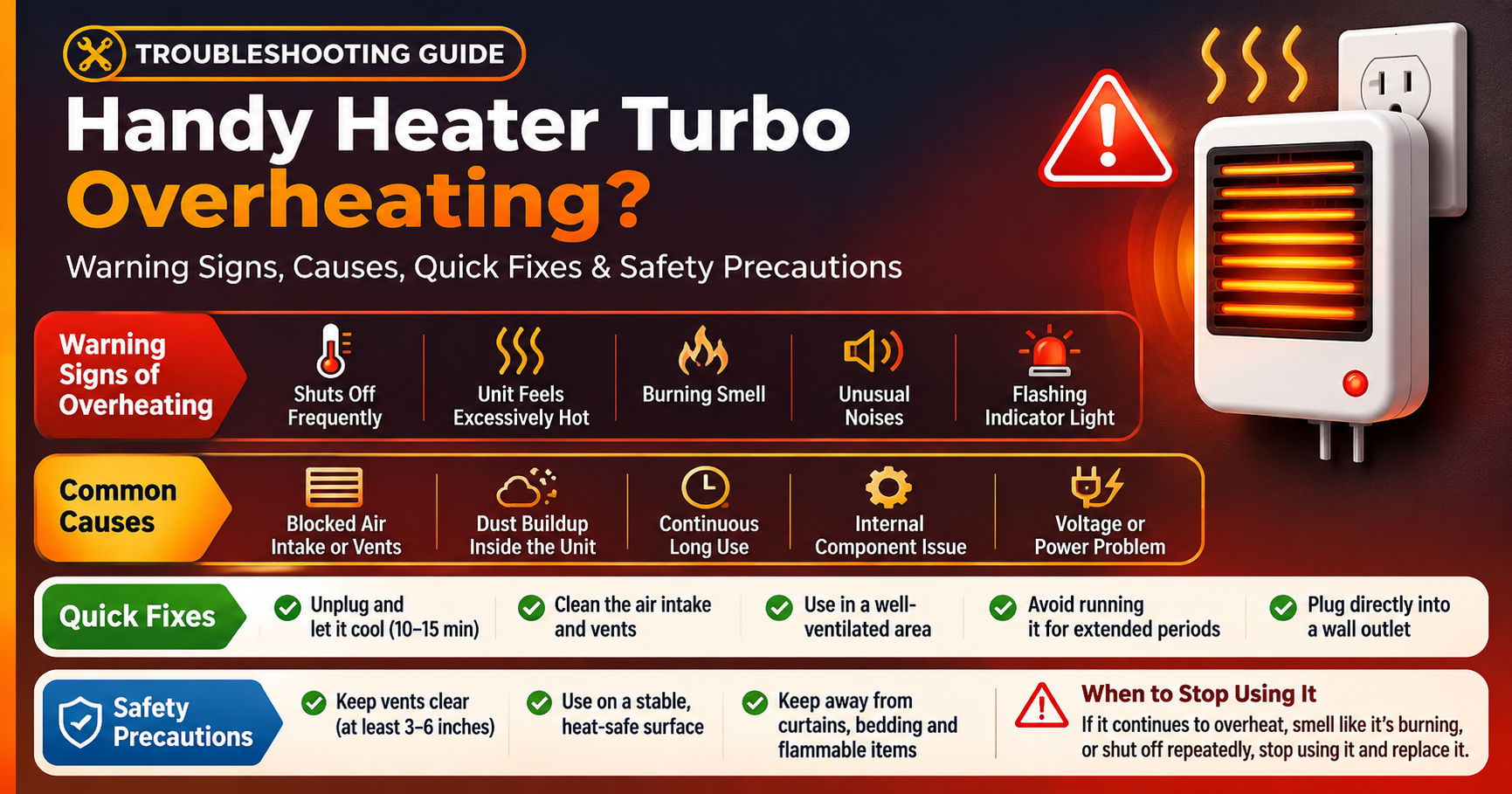
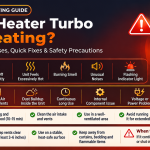
Common Causes of Heater Overheating
Understanding why a heater overheats helps you prevent it. These are the most frequent causes:
- Blocked air intake or outlet: dust, lint, blankets or furniture restrict airflow.
- Dirty filters and fans: accumulated dust acts like insulation and slows the fan.
- Covering the heater: drying clothes or towels on top of a heater is a major hazard.
- Faulty or worn components: a failing fan motor or damaged sensor can disable protection.
- Unsuitable power connection: thin extension cords and overloaded sockets can overheat the plug and cable.
- Continuous long operation: running in a poorly ventilated, very small space for many hours can push temperatures up.
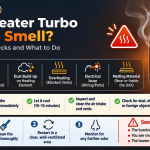
Warning Signs Your Heater Is Overheating
- A burning or hot plastic smell during normal use.
- The heater switches off and on repeatedly in short cycles.
- The casing, plug or cord is too hot to touch comfortably.
- Discolored, melted or warped plastic around the vents or plug.
- Visible sparks, flickering lights nearby or crackling noises.
- The fan makes grinding sounds or stops while the heater is on.
If you notice any of these signs, switch the heater off, unplug it once it is safe to do so, and stop using it until it has been inspected or replaced.
What to Look for When Buying a Heater With Good Overheating Protection
When comparing models, treat safety features as the first filter and extra comforts as the second. A short checklist makes shopping easier:
- Automatic overheat shutoff: the product description should clearly mention it. Vague wording such as “safe design” is not enough.
- Tip-over protection: essential for any heater that sits on the floor.
- Recognized safety certification: look for marks from independent testing bodies such as UL, ETL, CE or UKCA, depending on your region, which indicate the product was tested against safety standards.
- Cool-touch or well-insulated housing: reduces burn risk, especially around children and pets.
- Thermostat control: a heater that regulates itself runs less often at peak temperature.
- Quality power cord and plug: a thick, well-built cord handles the load better and runs cooler.
- Built-in timer: helps prevent unnecessary all-night operation.
- Removable or accessible filter: easier cleaning means better airflow over time.
- Warranty and customer reviews: consistent reports of burning smells or sudden shutdowns are a red flag.
Safe Usage Tips to Prevent Overheating
Even the best protection system should be a backup, not your main plan. Good habits keep your heater away from its limits.
- Keep a clear zone: maintain at least 3 feet (about 1 meter) between the heater and anything flammable.
- Place it on a flat, hard surface: never on carpet edges, beds, sofas or uneven ground.
- Plug directly into a wall socket: avoid extension cords and power strips, which are not designed for the high current a heater draws.
- Never cover it: do not dry laundry on it or place items on top.
- Clean it regularly: with the heater unplugged and cool, gently remove dust from vents and filters.
- Do not leave it unattended: turn it off when you leave the room or go to sleep unless the model is specifically designed and tested for that use.
- Check the cord and plug often: replace the heater if you see fraying, cracks, discoloration or a plug that feels unusually hot.
- Do not use in wet areas: unless the product is clearly rated for bathrooms or damp spaces.
- Match the heater to the room: an underpowered heater runs flat out for hours, while an oversized one in a tiny room can heat the air very fast and trigger its cutoff repeatedly.
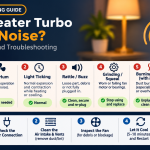
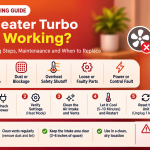
What to Do When Your Heater Shuts Off From Overheating
- Turn the power switch off and unplug the heater.
- Let it cool down completely, usually for 20 to 30 minutes.
- Check the vents and air intake for blockages and remove dust or objects.
- Make sure the heater is upright, on a flat surface and not near walls or furniture.
- Plug it back in and restart it. If your model has a reset button, press it according to the manual.
- If it shuts off again quickly, stop using it. Repeated shutdowns mean there is a deeper fault, such as a failing fan or sensor, and the heater should be repaired by a qualified technician or replaced.
Never try to bypass, tape down or remove a thermal cutoff or fuse. These parts are cheap compared with the damage they prevent.
Frequently Asked Questions
Do all portable electric heaters have overheating protection?
Most reputable heaters sold today include it, but very cheap, unbranded or uncertified products may not. Always confirm the feature in the specifications and look for a recognized safety certification.
Can I leave a portable heater on all night?
Many manufacturers advise against it. Overheating protection reduces risk but does not remove it. If you want overnight warmth, choose a heater with a timer and thermostat, keep a safe distance from bedding, and follow the manual.
Why does my heater turn off by itself?
It is usually either the thermostat reaching your set temperature or the overheating protection responding to blocked airflow. If it happens frequently, clean the vents and filter, then check placement.
Is a ceramic heater safer than a coil heater?
Ceramic PTC heaters tend to run at lower surface temperatures because of their self-regulating element, which many people find reassuring. Both types still need proper thermal protection and safe placement.
Can I reset a thermal fuse?
No. A thermal fuse is a one-time device. If it has blown, the heater needs a proper repair, and the underlying cause of the overheating must be found first.
Is a heater with a hot-feeling case dangerous?
Warm surfaces are normal during use, especially near the outlet. A casing or plug that is too hot to touch comfortably, or one that smells of burning, is a sign to stop using the heater.
How often should I clean my portable heater?
Check it at least once a month during heavy use and before storing it for the season. Always unplug it and let it cool before cleaning.
Final Thoughts
Portable electric heater overheating protection is not a bonus feature; it is the foundation of safe heating. Look for layered protection that includes a thermal cutoff, a tip-over switch and, ideally, electronic sensing or a PTC ceramic element. Choose a certified product, give it clear space, keep the vents clean and plug it straight into a wall outlet. Following these simple steps lets you enjoy a warm room with far less risk, season after season.