

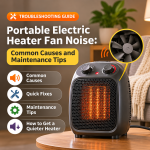
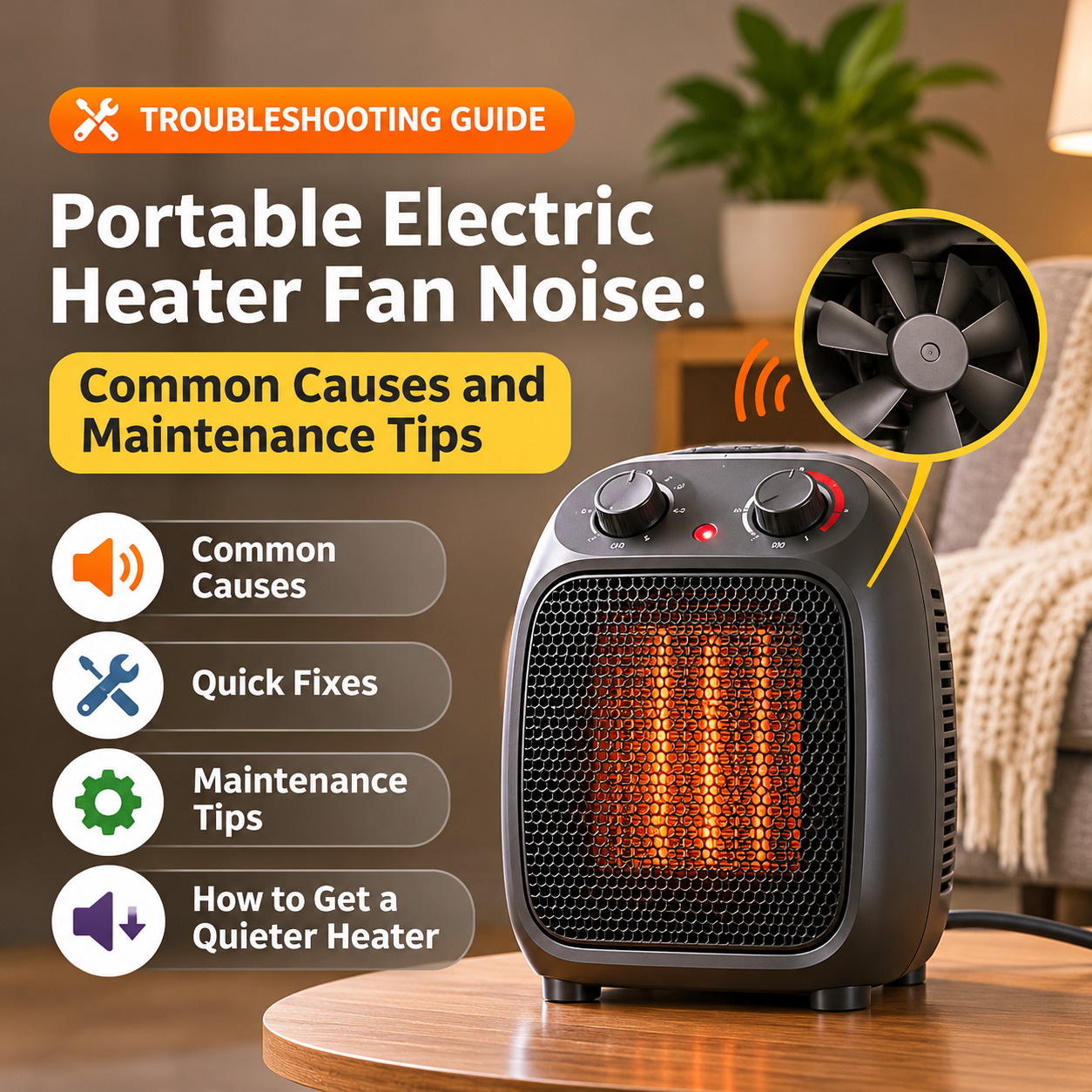

A portable electric heater is one of the fastest ways to take the chill off a bedroom, home office or bathroom corner. You plug it in, flick a switch and warm air starts moving within seconds. But for a lot of people that comfort comes with an annoying side effect: noise. A steady whirr, a rattle that appears out of nowhere, a buzz that keeps you awake or a loud click in the middle of a quiet evening can make a heater feel more like a nuisance than a convenience.
The good news is that most portable electric heater fan noise is easy to understand and often easy to fix. Some sounds are completely normal. Others are early warning signs that the heater needs cleaning, tightening or replacing. A few should make you unplug the unit immediately.
In this guide you will learn why fan heaters make noise, how loud is considered normal, what each type of sound usually means, how to troubleshoot step by step, when to repair or replace, and what to look for if you want a genuinely quiet heater next time.
Why Do Portable Electric Heaters Make Noise?
Most portable electric heaters, especially ceramic and fan-forced models, work in a very simple way. An electric heating element (a metal coil or a ceramic PTC plate) gets hot, and a small electric fan pushes room air across it and out through the front grille. That moving air is what warms you up quickly.
Anything that moves, vibrates or heats up can make a sound, and a fan heater has all three. The noise you hear is usually a mix of the following:
- Airflow noise: air rushing through narrow grille openings, which gets louder at higher fan speeds.
- Motor noise: the electric motor spinning the fan, plus the bearings that support the shaft.
- Mechanical noise: loose screws, panels or grilles vibrating against each other.
- Thermal noise: metal parts expanding and contracting as they heat up and cool down.
- Electrical noise: a relay clicking or a coil humming when the thermostat switches the heating on and off.
Oil-filled radiators and infrared panel heaters have no fan at all, which is why they are generally much quieter. If you have a fan heater, however, a little noise is simply part of the design. The goal is to know the difference between a normal operating sound and a problem.
How Loud Is Normal for a Portable Heater?
Noise is measured in decibels (dB). As a rough guide, a quiet bedroom at night sits around 30 dB, normal conversation is about 60 dB and a household vacuum cleaner is around 70 dB. Most ceramic fan heaters produce somewhere in the region of 40 to 55 dB depending on the fan speed and the build quality. That is similar to a quiet office or a soft conversation.
For sleeping, health guidelines generally suggest that continuous background noise in a bedroom should stay near 30 to 35 dB. This is why many people find a fan heater acceptable in a living room but irritating in a bedroom. The same sound that is barely noticeable during the day can feel much louder at night when everything else is silent.
Quick rule of thumb
If your heater is clearly louder than it was when it was new, or if the sound changes suddenly (a new rattle, a grinding tone, a louder hum), something has changed and it is worth checking. A heater that has always been moderately noisy on high speed is usually just a loud design.
What Does Each Heater Noise Mean?
Different sounds point to different causes. Use the table below as a quick reference, then read the detailed explanations that follow.
| Sound | Most likely cause | How serious? | Typical fix |
|---|---|---|---|
| Rattling | Loose screw, grille or panel; uneven floor | Low | Tighten parts, move to a level hard surface |
| Whirring or whooshing | Normal airflow, or dust on the fan blades | Low | Clean vents and fan, use lower speed |
| Grinding or squealing | Worn motor bearings or a blade touching the housing | Medium to high | Clean and inspect; replace if it persists |
| Humming or buzzing | Vibrating internal part, relay or coil | Medium | Check housing and surface; service if loud |
| Whistling | Restricted airflow through intake or outlet | Low | Clear vents, move away from walls and furniture |
| Ticking or clicking | Metal expanding, thermostat or relay cycling | Normal | No action needed |
| Crackling or popping | Burning dust (brief) or electrical arcing | Low to critical | Stop using if it continues or you smell burning |
The Most Common Causes of Fan Noise in Detail
1. Dust and Dirt on the Fan Blades
This is the number one cause of noisy portable heaters. Over time, dust and pet hair build up on the fan blades and inside the motor housing. The buildup is rarely even, so the fan becomes slightly unbalanced. An unbalanced fan wobbles as it spins, which creates a whirring, humming or rattling sound that gets worse with each season. Dust also restricts airflow, forcing the motor to work harder and run louder.
2. Loose Screws, Panels or Grille
Heaters heat up and cool down repeatedly, and every cycle slightly expands and contracts the metal and plastic parts. Over months of use, screws can loosen. A loose front grille or side panel then vibrates against the body whenever the fan runs, producing a buzzing or rattling noise. This is one of the easiest problems to fix.
3. Worn Motor Bearings
The fan shaft spins on small bearings or bushings. When they wear out or dry out, the shaft no longer turns smoothly, and you hear a grinding, squealing or scraping sound that gets louder over time. Many heater motors are sealed, so you cannot lubricate them. Once bearings are worn, the usual solution is to replace the heater, because the repair often costs more than the unit.
4. Uneven or Soft Surface
A heater placed on an uneven floor or a wobbly table will vibrate against the surface and amplify every small sound. On the other hand, heaters should never be placed on soft surfaces such as thick carpets, bedding or cushions, because that can block the air intake and create a fire risk. The best choice is a flat, hard, level, non-flammable surface.
5. Blocked or Restricted Airflow
If something is partly covering the air intake or outlet, such as a curtain, a piece of furniture or a pile of clothes, air has to squeeze through a smaller gap. The result is a whistling or loud whooshing noise. It also makes the heater run hotter than designed, which can trigger the overheat protection and cause the unit to switch off by itself.
6. Thermal Expansion (Ticking and Pinging)
When the heating element turns on, the metal parts warm up and expand slightly, producing small ticks or pings. When it switches off, they cool and contract with a similar sound. This is normal behaviour and not a sign of a fault.
7. Thermostat Relay Clicking and Electrical Hum
Heaters with a built-in thermostat switch the heating on and off to keep your room at the chosen temperature. Each time, a relay makes a distinct click. A soft click every few minutes is normal. A faint electrical hum from the transformer or control board can also happen. However, a loud buzz, constant chattering or frequent rapid clicking can point to a failing relay or electrical fault.
8. Foreign Objects Inside the Heater
Small items such as a piece of paper, thread, a hair tie or a child’s toy can be drawn in through the grille and touch the spinning blades. This causes a ticking or scraping sound. It can also be dangerous because anything flammable near the heating element is a risk. If you hear a sudden scraping noise, unplug the heater and check.
Safety first: when noise is a warning sign
Unplug the heater immediately and stop using it if you notice a burning or melting plastic smell, visible sparks, smoke, a hot or discoloured power plug, a damaged cord, or loud crackling that continues after the first few seconds of use. Do not attempt to open and repair a heater with these symptoms yourself. Have it checked by a qualified technician or replace it.
Step-by-Step: How to Fix a Noisy Portable Electric Heater
Most noise problems can be solved in about 15 to 20 minutes with simple household items. Before you begin, always disconnect the heater from the power outlet and wait at least 30 minutes so the heating element is completely cool.
- Unplug and cool down. Never inspect or clean a heater that is plugged in or still warm.
- Check the surface. Place the heater on a flat, hard, level floor. If it wobbles, use a small rigid, non-flammable base or adjust the feet. Move it away from walls and furniture.
- Vacuum the vents. Use the soft brush attachment of a vacuum cleaner on the air intake and the front grille to remove loose dust.
- Clear stubborn dust. A can of compressed air or a soft, dry brush helps remove dust deeper inside. Blow dust out of the heater rather than into it.
- Tighten the exterior screws. Use a screwdriver to gently snug up visible screws on the body and grille. Do not overtighten plastic parts.
- Wipe the grille and blades. If your manual allows removing the front grille, take it off and wipe the blades with a dry or barely damp cloth. Let everything dry completely.
- Look for foreign objects. Use a torch to check inside the grille for anything stuck near the fan.
- Test it. Plug the heater back in and run it on low, then high. Listen for the original noise. Stay nearby for the first few minutes.
Pro tip
Do not spray oil or lubricant into a heater motor unless the manufacturer’s manual specifically says to. Oil can attract dust, create smoke when it meets the hot element and cause damage to plastic parts.
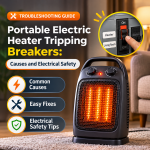
Quick Troubleshooting Guide
If you are not sure where to start, match the sound you hear with the cards below and follow the suggested action.
Should You Repair or Replace a Noisy Heater?
Portable heaters are usually inexpensive and are not designed to be opened and serviced. In general:
- Clean and tighten first. If the noise is a rattle, a whistle or a dust-related whirr, cleaning usually solves it at almost no cost.
- Replace if the motor is worn. Persistent grinding or squealing after cleaning almost always means worn bearings. The repair rarely makes financial sense.
- Replace if there are electrical symptoms. A burning smell, sparks, a damaged cord or a hot plug means the heater should be retired.
- Check the warranty. If the heater is still covered, contact the seller or manufacturer before opening it, because opening the unit may void the warranty.
- Consider the age. If your heater is more than five to seven years old and noisy, a new, quieter model will likely be safer and more efficient.
How to Choose a Quieter Portable Electric Heater
If noise is a deal-breaker for you, particularly for a bedroom, nursery or home office, it is better to choose a quiet design from the start. Here is how the main types compare:
| Heater type | Typical noise level | Warm-up speed | Best for |
|---|---|---|---|
| Oil-filled radiator | Near silent (only soft clicks) | Slow | Bedrooms, overnight use, long periods |
| Infrared or radiant panel | Very quiet to silent | Instant, but heats objects and people directly | Offices, spot heating, desks |
| Ceramic fan heater | Moderate (fan noise) | Fast | Quick heating of small to medium rooms |
| Convection heater (with fan assist) | Quiet to moderate | Medium | General living spaces |
| Basic coil fan heater | Often the loudest | Fast | Occasional, short use in garages or bathrooms |
Features to Look For
- Published decibel rating. Brands that care about noise often list it in the specifications. Lower is better; look for around 40 dB or less on the lowest setting if you plan to use it in a bedroom.
- Multiple fan speeds and a quiet or night mode. A low setting makes a big difference to both noise and comfort.
- Well-balanced, larger fan. Larger, slower-turning fans generally move air more quietly than small, fast ones.
- Adjustable thermostat. Once the room is warm, a good thermostat lets the heater cycle off instead of running the fan continuously.
- Timer and eco mode. They reduce running time and therefore total noise and power use.
- Solid build quality. Heavier, tightly assembled housings vibrate less than light, flimsy plastic bodies.
- Safety protections. Tip-over switch, overheat protection and a recognised safety certification are essential, not optional.
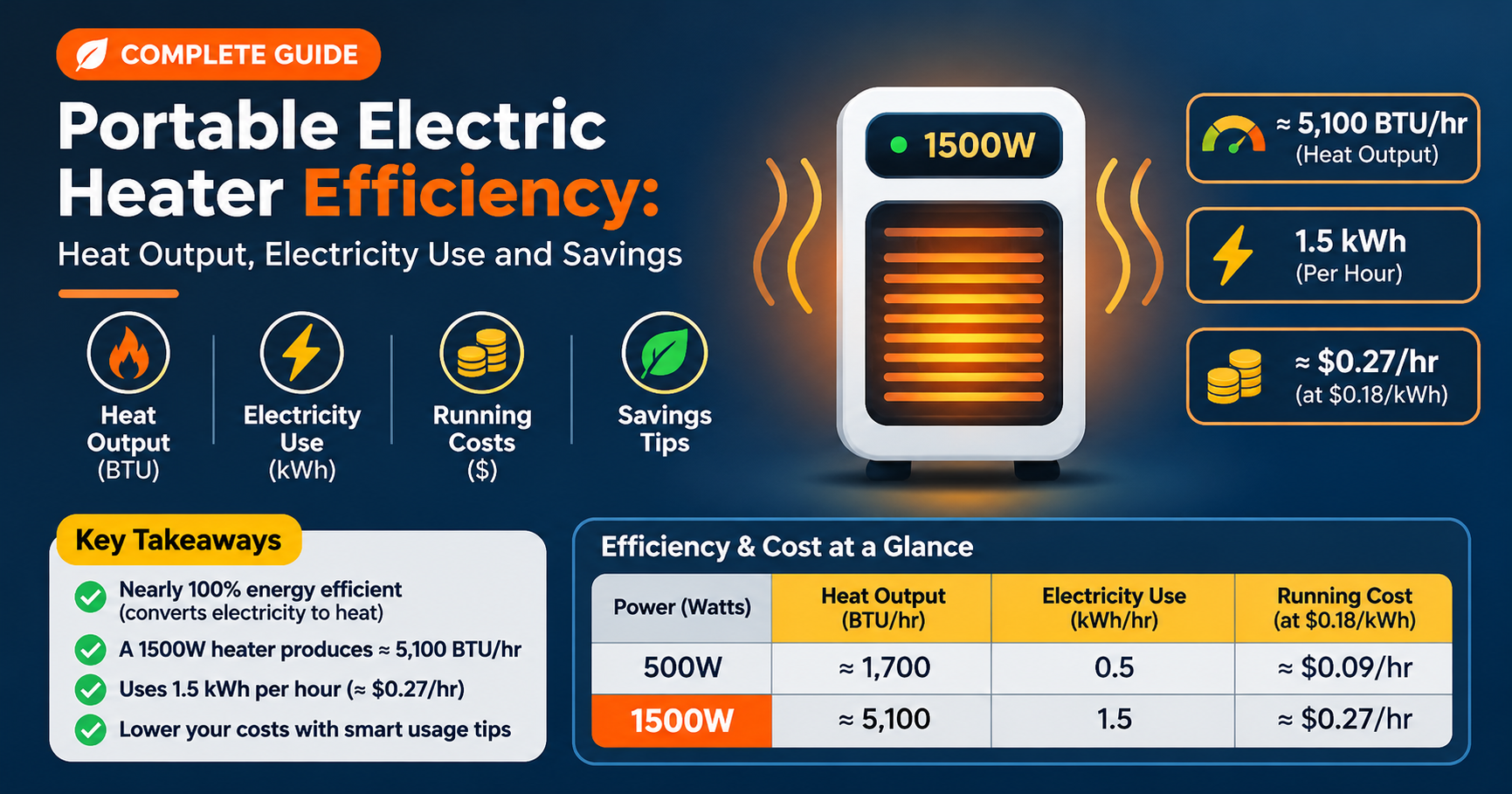
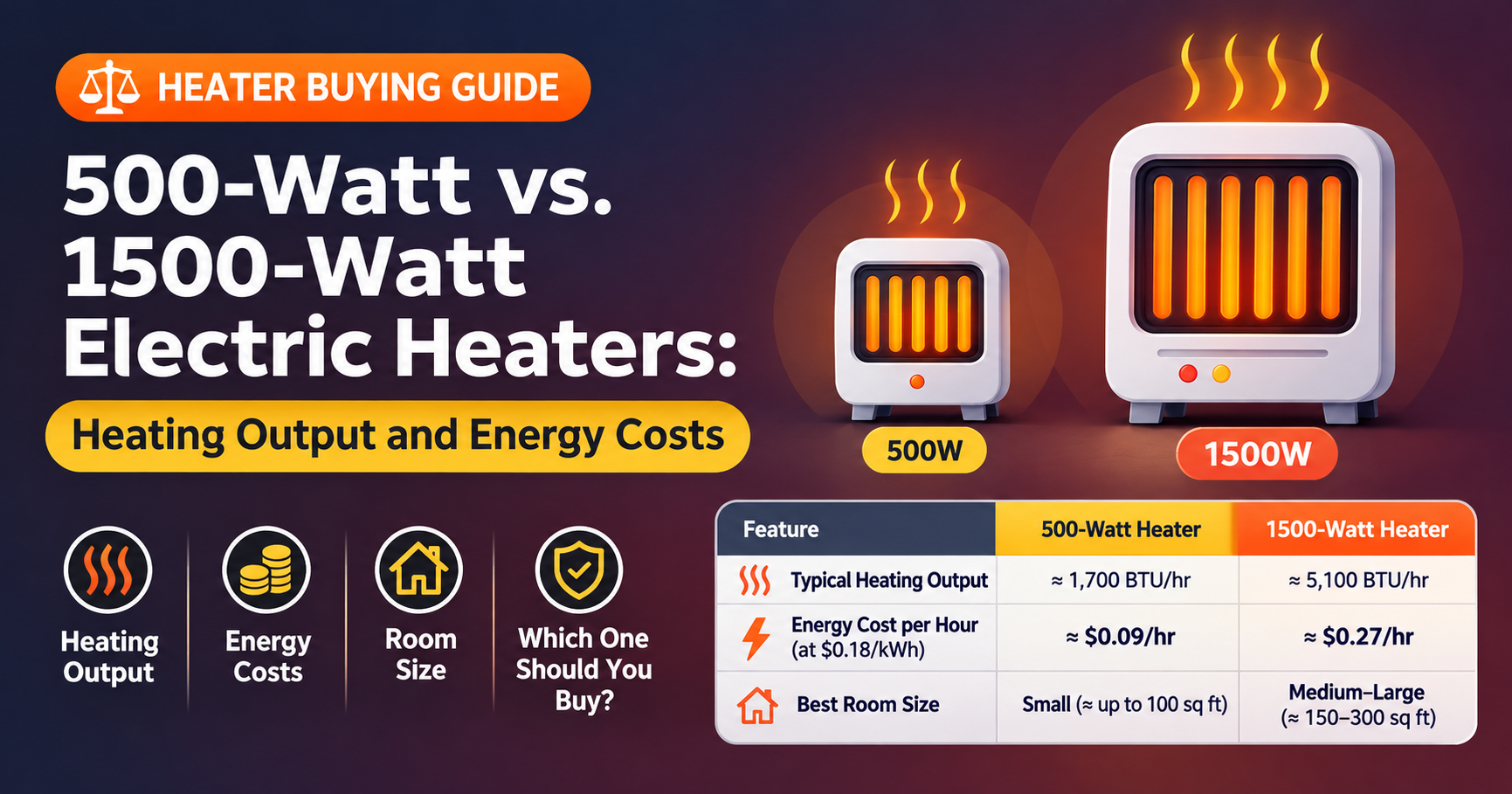
- Right size for the room. As a general guide, about 10 watts per square foot of floor area is a good starting point, so a 1500 W heater suits a room of roughly 150 square feet. An undersized heater runs at full power all the time, which makes more noise.
Simple Ways to Make Your Heater Quieter
- Run it on a lower fan speed once the room has warmed up.
- Keep the vents clean by dusting the heater every few weeks during the heating season.
- Place it on a hard, level surface and keep at least three feet of free space around it.
- Use it a little farther from your bed or desk. Doubling the distance noticeably reduces perceived noise.
- Close doors and windows so the heater does not have to work as hard.
- Use a timer so the heater switches off after you fall asleep, rather than running all night.
- Add basic room insulation such as draught excluders and thicker curtains, which helps the heater cycle off sooner.
- Store it in a dry place at the end of winter, ideally covered, so dust does not collect over summer.
Frequently Asked Questions
Why is my portable electric heater suddenly louder than before?
A sudden change usually means dust buildup on the fan, a loose screw or panel, a blocked vent, or worn motor bearings. Unplug the heater, let it cool, clean the vents and blades, and check the screws. If it is still loud, the motor may be wearing out.
Is it normal for a heater to click or tick?
Yes. Soft ticking as metal expands and contracts, and a clear click when the thermostat switches on or off, are both normal. Constant rapid clicking or loud popping is not.
Why does my heater make a buzzing noise?
Buzzing is often caused by a loose grille or panel vibrating, or by a hum from the relay or transformer. Tighten the screws and place the heater on a level surface. If the buzz is loud, changes in pitch or comes with a burning smell, stop using it.
Can a noisy heater be dangerous?
Most noises are harmless, but some are warnings. Grinding can mean a failing motor that may overheat, and crackling, sparking or a burning smell can mean electrical problems. If you are unsure, unplug it and have it checked.
Why does my heater smell and crackle when I first use it each winter?
Dust that settled on the heating element over the summer burns off when it first heats up, producing a brief smell and light crackling. This should stop within a few minutes. If it continues, switch it off and clean the heater.
What is the quietest type of portable heater?
Oil-filled radiators and infrared panel heaters are the quietest because they have no fan. Ceramic fan heaters are the next best choice if you pick a model with low-speed or night settings.
Is it safe to leave a portable heater on all night?
Manufacturers generally advise against leaving portable heaters running unattended, especially while you sleep. If you must use one in a bedroom, choose a model with tip-over and overheat protection and a timer, and always follow the instructions in the manual.
Can I oil the fan motor to stop the noise?
Only if the manufacturer’s manual says it is allowed. Most heater motors are sealed, and adding oil can create smoke and attract dust. Cleaning is much safer and usually more effective.
Final Thoughts
Portable electric heater fan noise is rarely a mystery. In most cases it comes down to dust, loose parts, a poor placement or normal heating sounds. A monthly clean, a quick screw check and a flat, open spot for the heater will solve the majority of complaints. When the noise turns into grinding, buzzing that will not go away or anything that comes with a burning smell, it is time to unplug and replace the unit rather than risk your safety.
If you are shopping for a new heater, put noise high on your checklist alongside heating power, safety features and energy use. Choosing the right type for the room, such as an oil-filled radiator for a bedroom or a ceramic heater with a night mode for a living space, gives you a warm room without the constant racket.
Safety reminder
Always follow the instructions that come with your heater, plug it directly into a wall socket rather than an extension lead, and never cover it or use it to dry clothes. If you are ever in doubt about a sound or smell, unplug it and ask a qualified electrician or the manufacturer.