




Portable Electric Heater Dust Buildup: Causes, Risks, Cleaning Guide and Prevention Tips
A portable electric heater is one of the simplest ways to warm a bedroom, home office, or small living space. But there is a quiet problem that almost every owner runs into sooner or later: dust buildup. You switch the heater on after a few weeks in storage and get a burning smell, weaker heat, or an odd rattling fan. In most cases, the cause is a layer of household dust that has settled on and inside the unit.
This guide explains why dust collects on portable electric heaters, how it affects performance and safety, how to clean every common heater type step by step, and how to stop the problem from coming back. If you are also shopping for a new heater, you will find a list of dust-friendly features to look for near the end.
Quick Summary
- Dust enters through the air intake, settles on the grille, fan, and heating element, and gets hotter every time the heater runs.
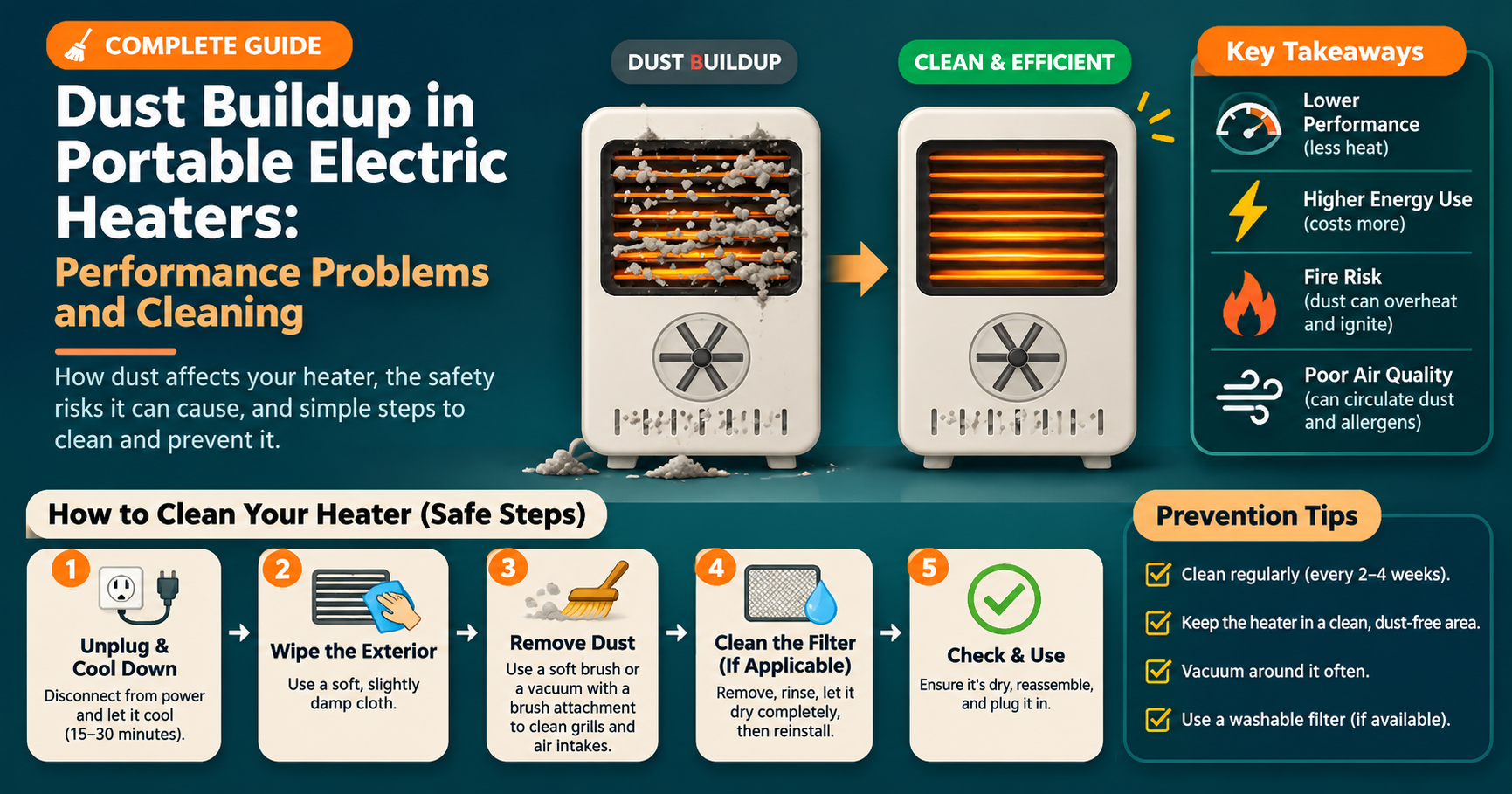
- Mild buildup causes a burning or “dusty” smell and reduced airflow. Heavy buildup can cause overheating, tripping of safety cut-outs, and in rare cases a fire hazard.
- Always unplug and fully cool the heater before cleaning. Vacuum with a soft brush first, then wipe the casing with a barely damp cloth.
- Light cleaning every one to two weeks in heavy use, plus a deep clean at the start and end of the season, keeps most heaters in good shape.
Why Dust Builds Up on Portable Electric Heaters
Every home contains airborne dust made of fabric fibers, skin cells, pet hair, pollen, and fine particles that drift in from outside. A heater interacts with this dust in three ways:
- Air is pulled through the unit. Fan heaters, ceramic heaters, and many convection models draw room air across the heating element. Dust travels in with that air and sticks to surfaces.
- Heat creates rising air currents. Even models without a fan create convection currents that carry dust to the grille and the top of the casing.
- Static electricity attracts particles. Plastic housings and fan blades gather a small static charge, which makes fine dust cling to them.
Rooms with carpets, rugs, pets, open windows, or nearby construction collect dust faster. A heater stored for months without a cover also collects a surprising amount of dust before its first use of the season.

Why Dust Buildup Is a Problem
1. The burning or “dusty” smell
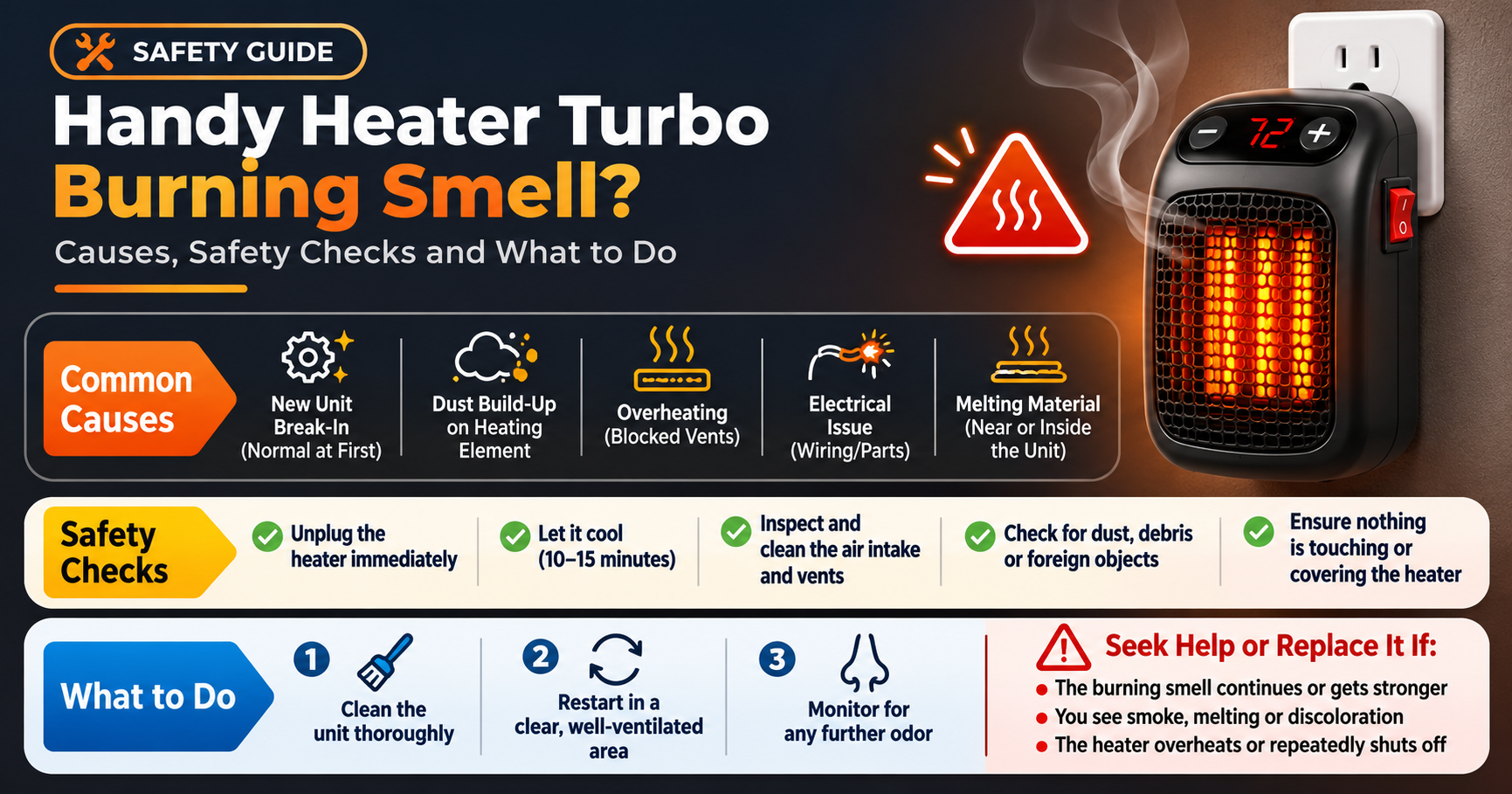
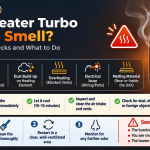
When a dusty heater warms up, the dust on the heating element and grille slowly burns off. This produces a short-lived smell that many people describe as burning dust, hot metal, or toast. A brief smell after months of storage is common and usually fades in a few minutes. If the smell is strong, lasts a long time, smells like plastic or melting material, or comes with smoke, switch the heater off, unplug it, and do not use it until it has been inspected.
2. Reduced heating performance
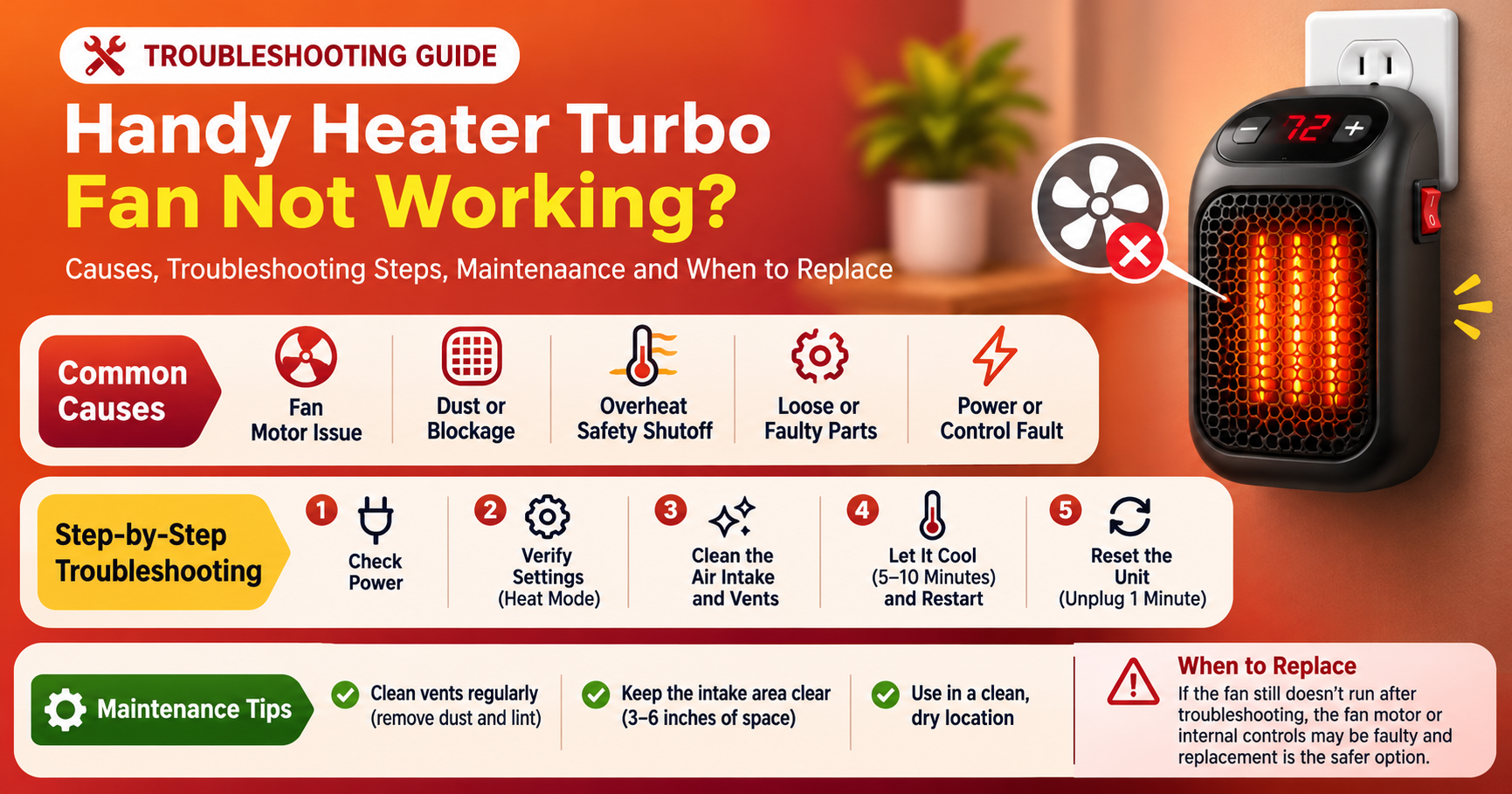
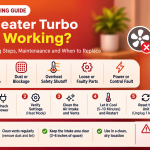
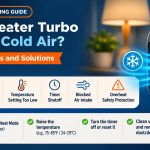
Dust on fan blades adds weight and disturbs airflow. A clogged intake or filter restricts air even more. The result is weaker airflow, longer warm-up times, and a room that never quite reaches the temperature you set.
3. Higher energy use
A heater with restricted airflow has to run longer to deliver the same comfort. That means more electricity used for the same result, which matters when you run a heater for hours each evening.
4. Overheating and safety cut-outs
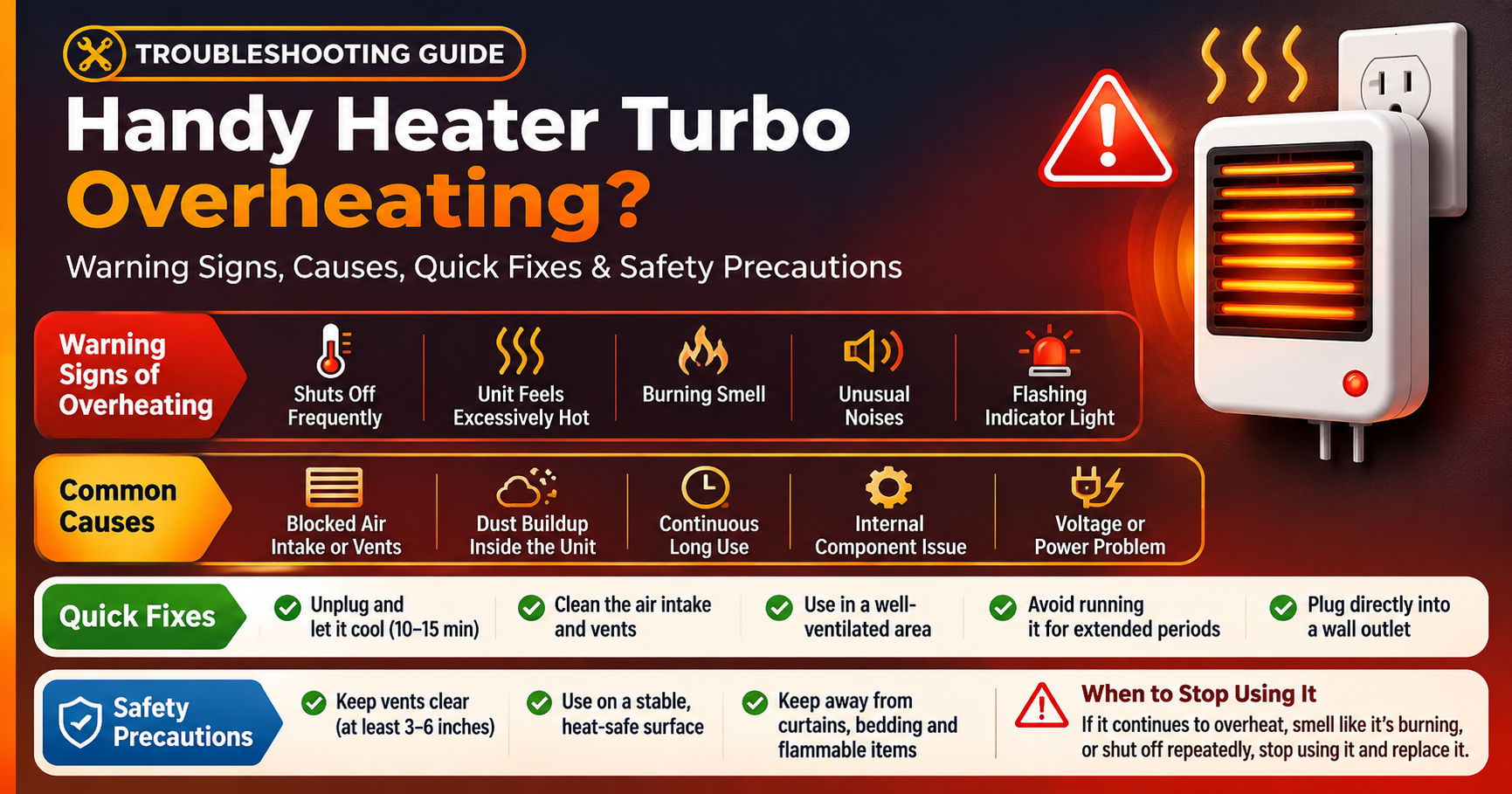
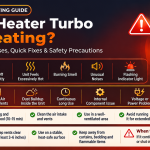
Most modern portable heaters include an overheat protection feature that switches the unit off if internal temperatures get too high. Dust that traps heat or blocks airflow can trigger this cut-out repeatedly. If your heater keeps shutting itself off, a blocked intake is one of the first things to check.
5. Fire risk
Dust, lint, and pet hair are combustible. Normally the amount is small and the heater is designed to handle it, but heavy accumulation near a hot element, combined with poor airflow, increases risk. This is why manufacturers advise keeping heaters clean, placing them on flat, hard surfaces, and keeping them well away from curtains, bedding, and furniture.
6. Air quality and allergies
A dusty heater can blow fine particles and odors back into the room. People with allergies or asthma may notice more sneezing, irritation, or coughing when a neglected heater starts up.
Signs Your Portable Heater Needs Cleaning
- A burning dust smell every time you turn it on
- Visible dust, lint, or pet hair on the grille or intake
- Weaker airflow than before
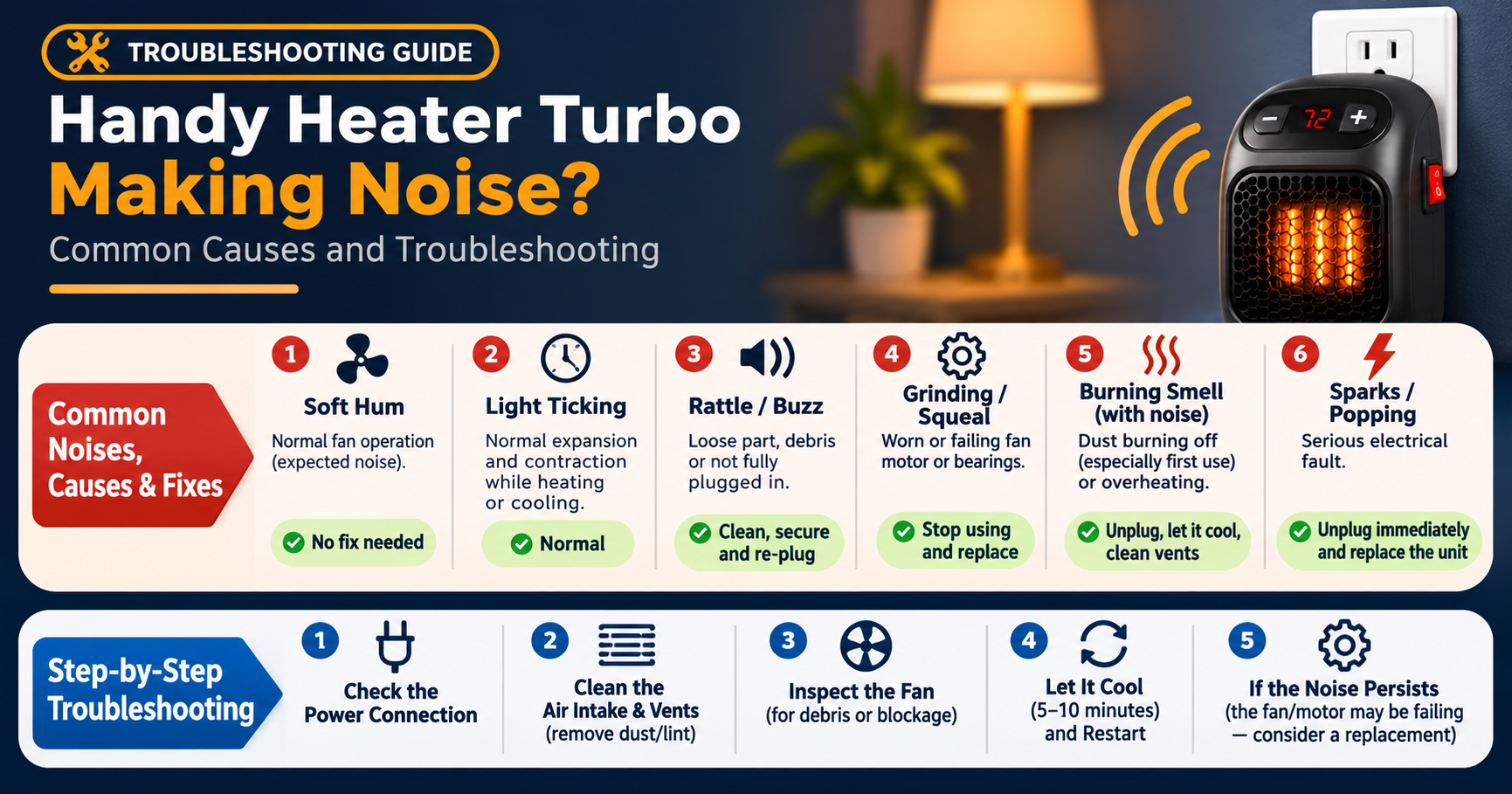
- The fan sounds louder, rattles, or vibrates
- The heater turns off by itself
- It takes longer than usual to warm the room
- Grey or dark marks on the casing around the vents
Safety First: Before You Start Cleaning
- Unplug the heater from the wall. Never clean a heater that is connected to power.
- Let it cool completely. Heating elements and grilles stay hot for a while after switching off.
- Do not pour or spray water into the unit. Do not submerge any electric heater.
- Check the user manual for model-specific cleaning instructions and warnings. Do not open sealed panels unless the manual says it is user-serviceable.
- Inspect the power cord and plug for cracks, discoloration, or melting while you are at it.

How to Clean a Portable Electric Heater Step by Step
What you need
- Vacuum cleaner with a soft brush or crevice attachment
- Soft dry paintbrush or makeup brush
- Microfiber cloths
- Cotton swabs for tight slots
- Mild dish soap and water (for the outer casing and washable filters only)
- Optional: a can of compressed air for hard-to-reach areas
Step 1: Unplug and cool down
Disconnect the heater and wait at least 30 minutes if it was recently running. Place it on a towel or sheet on a flat surface so you can work comfortably.
Step 2: Vacuum the grille and intake
Use the soft brush attachment and move slowly over the front grille, side vents, and rear or bottom air intake. Brush loosened dust toward the vacuum nozzle. Avoid pressing hard, because bent grille slats can reduce airflow and damage the finish.
Step 3: Clean hard-to-reach areas
Use a dry paintbrush to sweep dust out of slots and corners. Cotton swabs work well on narrow vents and around knobs and buttons. If you use compressed air, keep short bursts and aim them so that dust is blown away from the unit, not deeper inside. Many people prefer vacuuming because it removes the dust instead of moving it around.
Step 4: Wipe the casing
Dampen a microfiber cloth with water and a tiny amount of mild dish soap, then wring it out until it is only slightly moist. Wipe the outer casing, handle, and base. Do not wipe the heating element, electrical contacts, or the inside of the unit with a wet cloth.
Step 5: Clean or replace the filter (if fitted)
Some heaters have a removable dust filter at the rear. Take it out according to the manual, vacuum it, and if the manual allows washing, rinse it gently under lukewarm water. Let it dry completely before putting it back. Replace filters that are torn, deformed, or permanently clogged.
Step 6: Dry, reassemble, and test
Make sure everything is completely dry. Plug the heater in, run it on the lowest setting for a few minutes, and check airflow, noise, and smell. A faint smell at the very start is normal. If it persists, or you notice smoke or unusual sounds, switch it off and unplug it.
How to Clean Different Types of Portable Heaters
| Heater type | Where dust collects | Best cleaning method |
|---|---|---|
| Ceramic fan heater | Rear intake, fan blades, front grille | Vacuum intake and grille with soft brush; use a dry brush on fan edges; wipe casing |
| Oil-filled radiator | Fins and top surfaces | Vacuum fins with brush attachment, then wipe each fin with a damp microfiber cloth once cool |
| Infrared / quartz heater | Front guard, reflector | Vacuum the guard; wipe the reflector only if the manual allows it, using a dry soft cloth |
| Convection panel heater | Bottom inlet, top outlet vents | Vacuum both vents regularly and wipe the front panel with a lightly damp cloth |
| Tower heater | Rear intake, oscillation base, grille slats | Vacuum slats lengthwise, clean the base ring, and check the filter or mesh if fitted |
| Mini desktop heater | Small vents and fan opening | Use a soft brush and cotton swabs; avoid compressed air at close range |
For oil-filled radiators, remember the oil is sealed inside. Never try to open the unit. Cleaning is only about the exterior surfaces.
How Often Should You Clean a Portable Heater?

The ideal schedule depends on your home. If you have pets, carpets, or live in a dusty area, increase the frequency. In cleaner homes, a quick monthly check may be enough during the heating season.
How to Prevent Dust Buildup
- Place the heater on a hard, flat floor instead of a thick carpet or rug, where more fibers will be pulled into the intake.
- Keep the area around it clear. Maintain generous space between the heater and curtains, bedding, sofas, and boxes.
- Vacuum the room regularly. Less dust on the floor means less dust in the heater.
- Use an air purifier or ventilate the room if dust is a recurring problem.
- Store the heater properly. At the end of winter, clean it, let it dry, and cover it with its original box, a fitted bag, or a clean sheet.
- Keep pets away from the intake and grille where possible. Pet hair is a major source of clogging.
- Do a short check before the first use of the season. Look, vacuum, and run it briefly in a ventilated room.
Common Mistakes to Avoid
- Cleaning the heater while it is still plugged in or still warm
- Using water, sprays, or harsh chemicals on the heating element
- Poking sharp objects into the vents
- Ignoring a persistent burning smell
- Drying clothes on the heater, which adds lint and creates a serious fire hazard
- Using extension cords or power strips with a high-wattage heater, unless the manufacturer explicitly allows it
When to Stop Using the Heater
Cleaning solves most dust-related problems, but stop using the heater and have it checked or replaced if you notice any of the following:
- Smoke, sparks, or a strong plastic or electrical burning smell
- A damaged, hot, or discolored plug or cord
- Cracks or melted areas on the casing
- Repeated shut-offs even after thorough cleaning
- Loud grinding or scraping from the fan
Do not attempt electrical repairs yourself unless you are qualified. Contact the manufacturer or a certified technician.
What to Look for When Buying a Heater That Handles Dust Better
If you are replacing an older, dusty heater, certain features make cleaning easier and help the unit cope with dust over time:
| Feature | Why it helps |
|---|---|
| Removable or washable filter | Catches dust before it reaches the heating element and can be cleaned in minutes |
| Easy-access grille | Lets you clean the interior surfaces without tools |
| Smooth, simple exterior | Fewer crevices means less dust trapped and easier wiping |
| Tip-over and overheat protection | Adds safety if airflow becomes restricted |
| Adjustable thermostat | Reduces constant full-power running and heat stress on dusty parts |
| Sealed heating design (e.g., oil-filled) | No exposed element for dust to burn on, though exterior still needs cleaning |
| Certified safety marks | Indicates the product was tested to recognized safety standards in your region |
Oil-filled radiators and panel heaters often produce less burnt-dust smell because they run at lower surface temperatures, while fan-forced ceramic heaters tend to need more frequent intake cleaning because they move more air.
Frequently Asked Questions
Why does my heater smell like burning dust?
Dust that settled on the element or grille burns off when the heater warms up. A short smell at the start of the season is normal. If it is strong, persistent, or smells like plastic, turn the heater off and inspect it.
Can dust buildup cause a heater fire?
Heavy buildup of lint, hair, and dust combined with poor airflow can increase risk. Regular cleaning, proper placement, and following the manufacturer’s instructions greatly reduce it.
Is it safe to use compressed air on a heater?
It can be used carefully on grilles and vents, but vacuuming is usually safer because it removes dust instead of pushing it deeper into the unit. Follow your manual.
Can I wash the inside of my heater with water?
No. Water should not enter the electrical parts or heating element. Only clean exterior surfaces with a barely damp cloth, and wash the filter only if the manual allows it.
How do I get the dust smell out after cleaning?
Run the heater on low in a ventilated room for 10 to 15 minutes. If the smell remains, clean the grille and intake again.
Do oil-filled heaters get dusty?
Yes, but only on the outside. Since the oil is sealed in, cleaning is limited to vacuuming and wiping the fins and casing.
Should I leave a heater running while I am away?
No. Most safety guidelines advise against leaving portable heaters on while you are asleep or out of the room, especially if they have not been cleaned.
How long does a cleaned heater last?
With regular care, many heaters last for several seasons. Dust management is one of the easiest ways to extend their useful life.
Final Thoughts
Dust buildup is normal, but ignoring it is what turns a small nuisance into a safety and performance problem. A few minutes of vacuuming and wiping each month keeps your portable electric heater warmer, quieter, more efficient, and safer to run. Combine a clean routine with smart placement, proper storage, and a model that is easy to maintain, and your heater will serve you reliably through every cold season.
Disclaimer: This article is for general information. Always follow your heater’s user manual and local safety guidance, and consult a qualified technician for electrical faults.