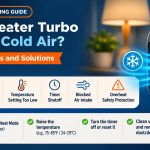
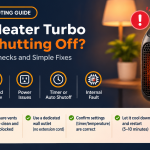
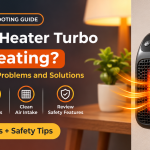
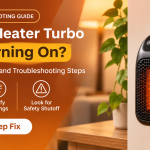

Few things are more frustrating on a cold night than a portable electric heater that suddenly stops blowing warm air, shuts itself off, or flashes a warning light. In most cases the culprit is simple: the airflow is blocked. Your heater needs a steady stream of air to carry heat into the room and, just as importantly, to keep its own heating element from overheating. When that stream is restricted, the built-in safety system steps in and the heater cuts power.
This complete guide explains what a “portable electric heater airflow blocked” problem really means, why it happens, how to fix it safely at home, and how to prevent it from coming back. You will also find a short buying checklist if it is time to replace your heater.
What Does “Airflow Blocked” Mean on a Portable Electric Heater?
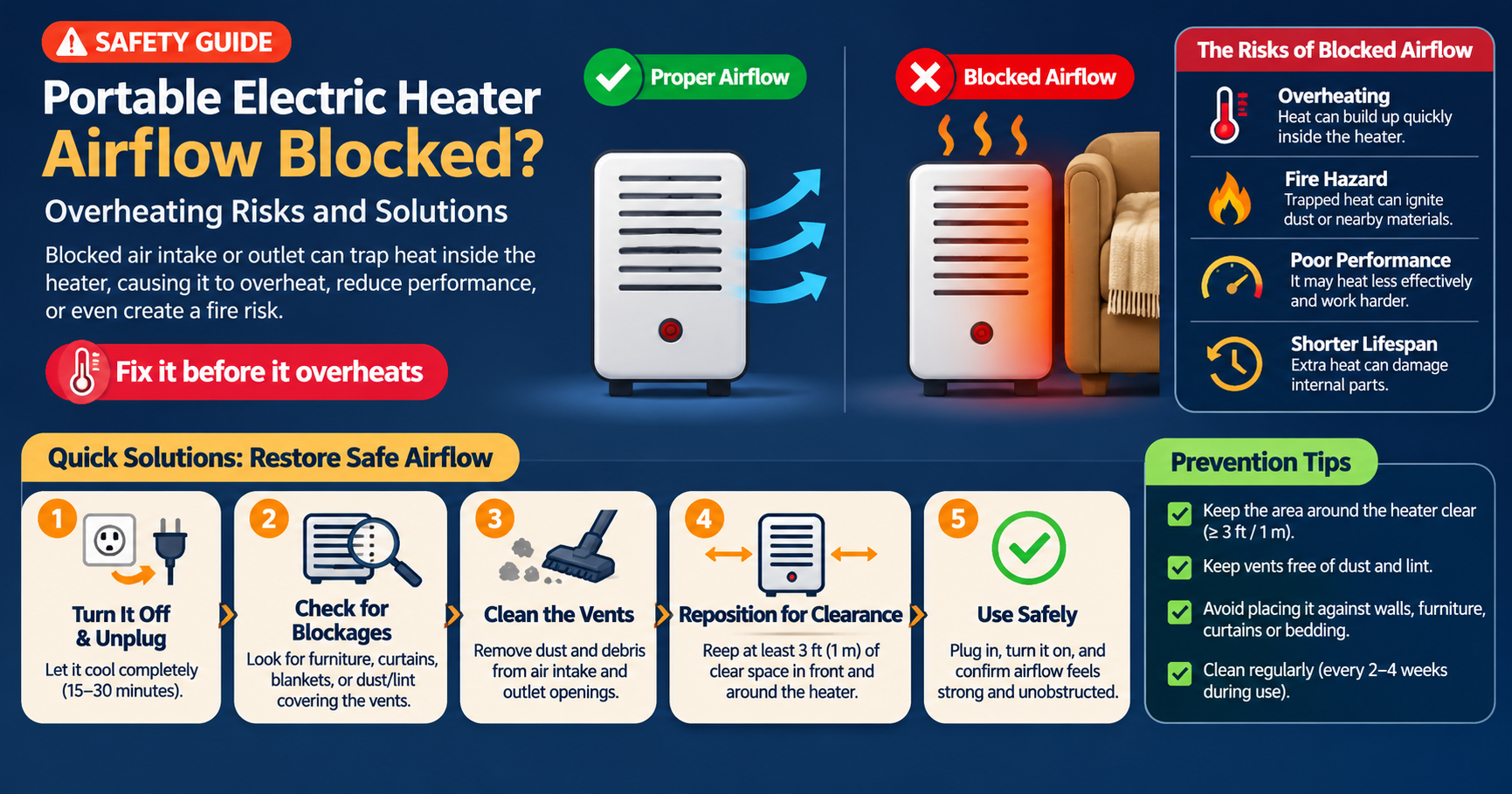
Most portable electric heaters (especially ceramic and fan-forced models) work in two parts: a heating element that gets hot, and a fan that pulls room air across that element and pushes the warmed air back out. If the intake grille, the filter, the fan, or the outlet grille is restricted, hot air cannot leave the unit fast enough. Internal temperature climbs quickly.
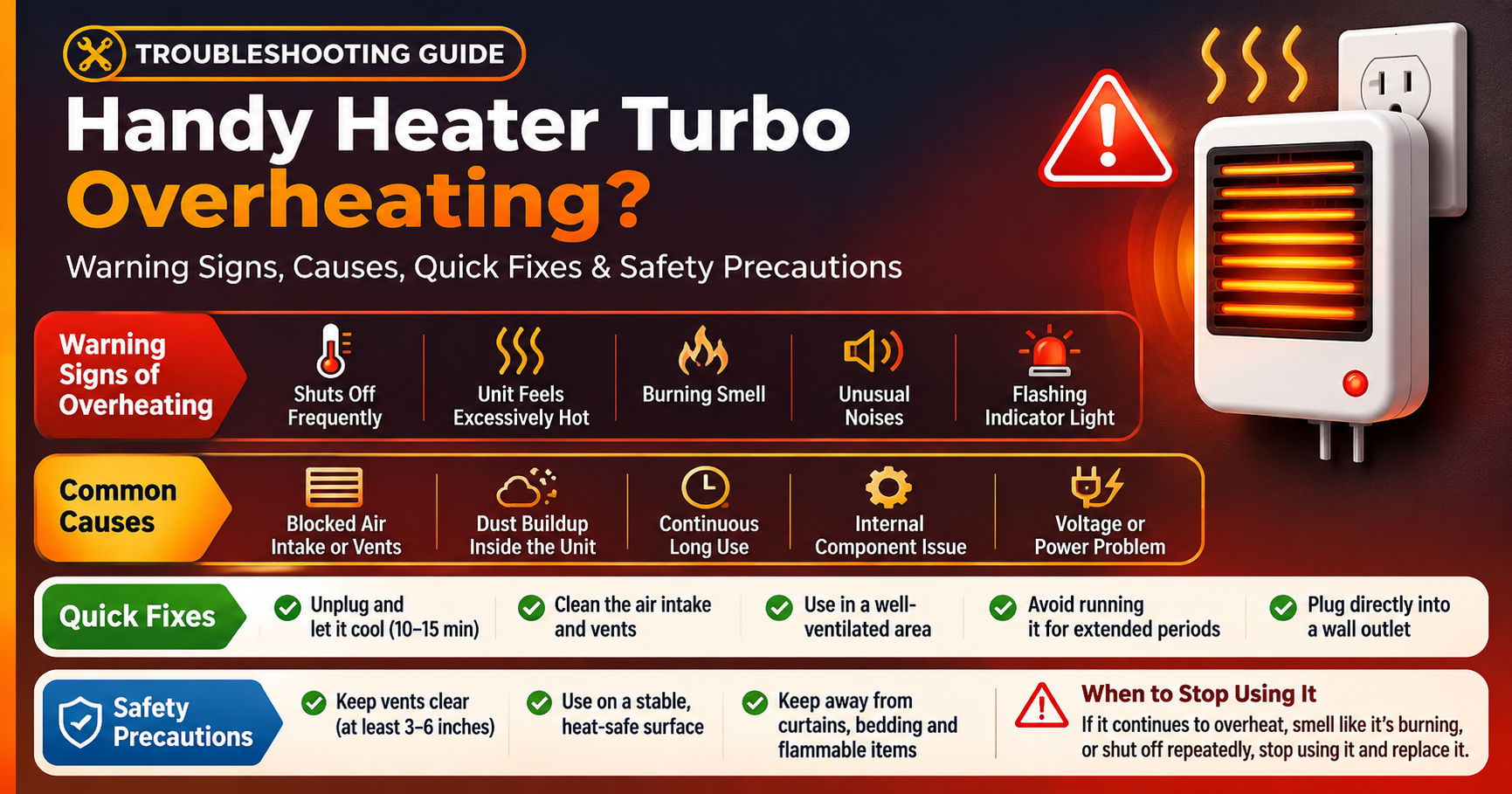
To protect you, nearly every modern heater includes an overheat protection sensor (a thermal cutoff). When it detects excess heat, it switches the heater off or reduces output. Some models also show an indicator light or an error message. The exact signal varies by model, so always check your user manual.
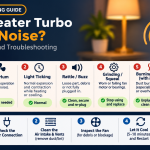
Typical signs of blocked airflow include:
- The heater turns off after a few minutes and restarts after it cools down
- Warm air feels weak even on the highest setting
- The housing or the back panel feels unusually hot
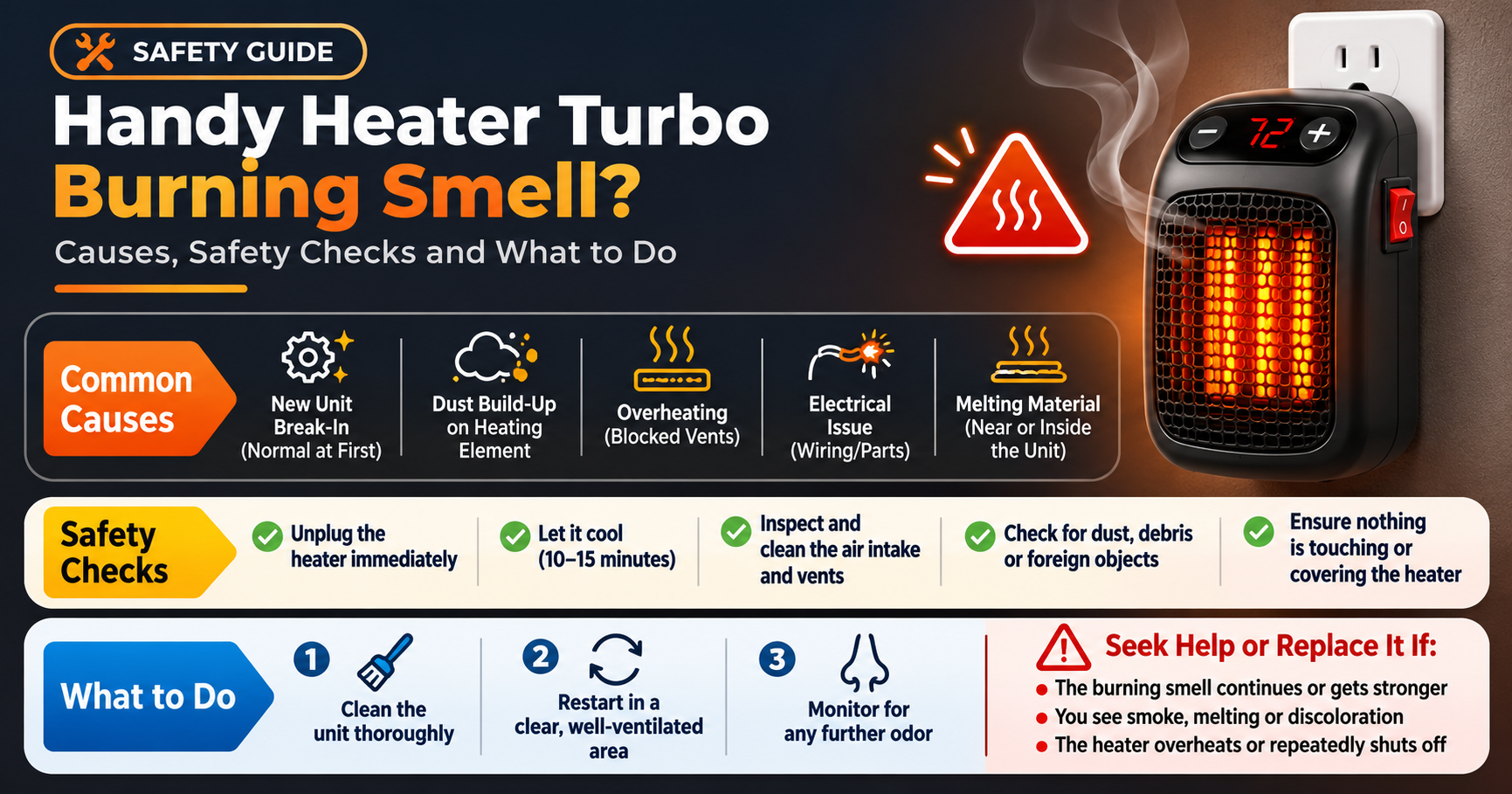
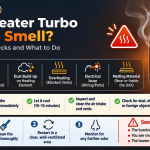
- A burning-dust smell when the heater runs
- An overheat or error indicator light turns on or flashes
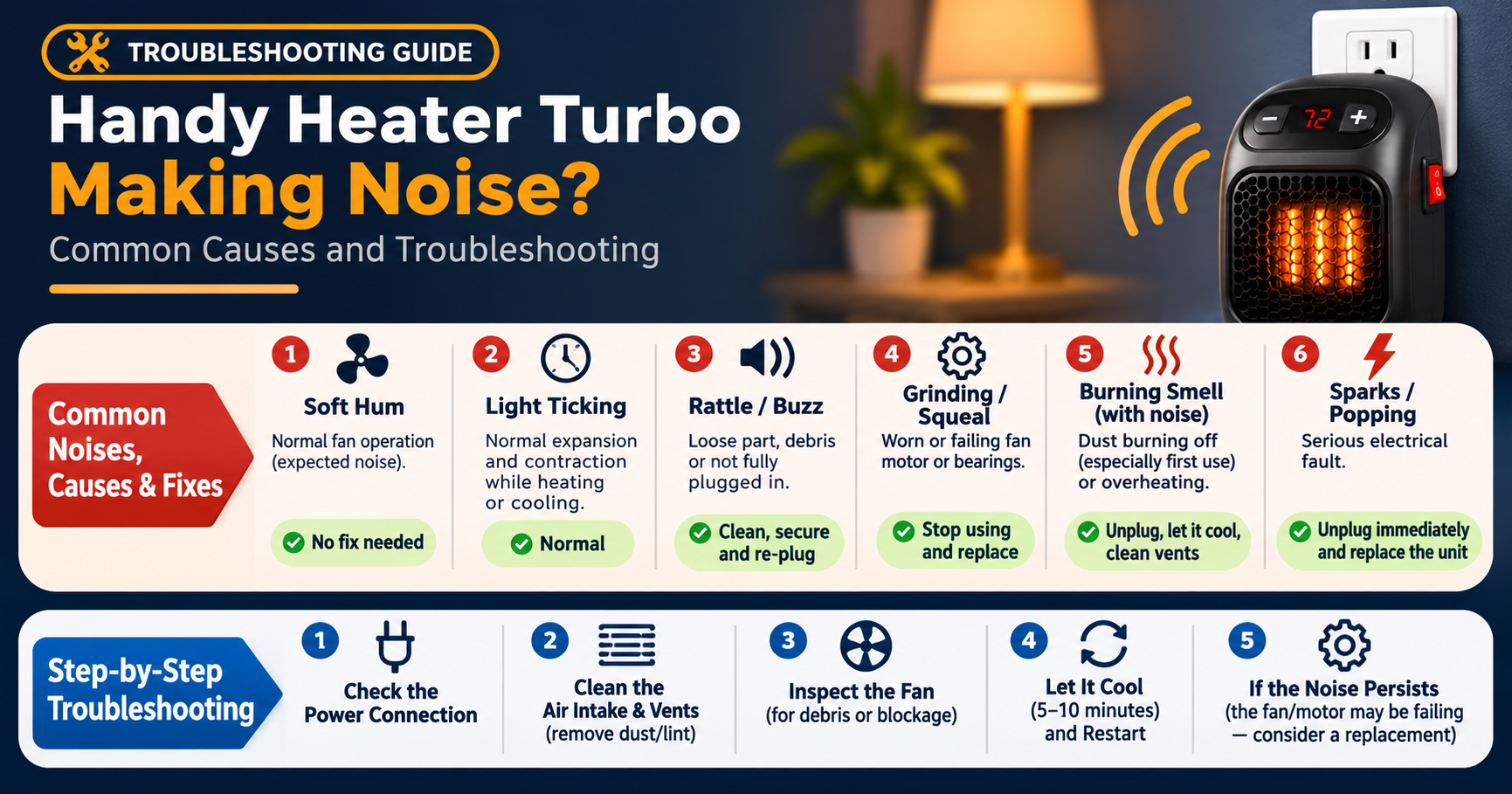
- The fan sounds louder, strained, or slower than normal
Important safety note
A heater that keeps shutting off is warning you about a real problem. Do not bypass, tape over, or disable safety switches, and never keep forcing the heater to run while it is repeatedly overheating.
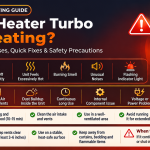
Main Causes of Blocked Airflow

1. Dirty or Clogged Air Filter
Many heaters have a mesh or foam filter at the rear intake. Over a season, it collects dust, lint, and pet hair. A clogged filter starves the fan of air, which is the most frequent cause of overheat shutoffs.
2. Dust and Lint on the Fan Blades
Even without a filter, fine dust builds up on the fan and inside the housing. Heavy buildup slows the fan, reduces airflow, and can create a burning smell when the heater is first switched on after storage.
3. Furniture, Curtains, or Walls Too Close
Placing a heater right next to a sofa, bed, curtain, or wall limits both intake and output. The heater re-breathes its own hot air and overheats. This is also a serious fire risk.
4. Covered Vents
Draping clothes, towels, or blankets over a heater to dry or warm them is dangerous. It blocks the vents completely and is one of the most common causes of heater-related accidents.
5. Pet Hair and Debris Inside the Unit
Homes with pets, rugs, or carpets pull more hair and fibers into heaters, particularly models that sit directly on the floor.
6. Tilted or Unstable Placement
A heater on a soft rug, an uneven surface, or tilted at an angle can have its intake partially covered. Many heaters also include a tip-over switch that will shut the unit off if it is not level.
How to Fix a Blocked Portable Heater Step by Step

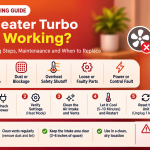
- Unplug the heater and let it cool completely. Wait at least 20 to 30 minutes. Never clean a heater while it is plugged in or hot.
- Clear the area around it. Move curtains, bedding, furniture, boxes, and clothing away from the front, back, and sides.
- Clean the filter and vents. Use a vacuum cleaner with a soft brush attachment on the intake and outlet grilles. If your filter is removable and washable, wash it with mild soapy water, rinse, and let it dry completely before putting it back. If it is not washable, vacuum it or replace it.
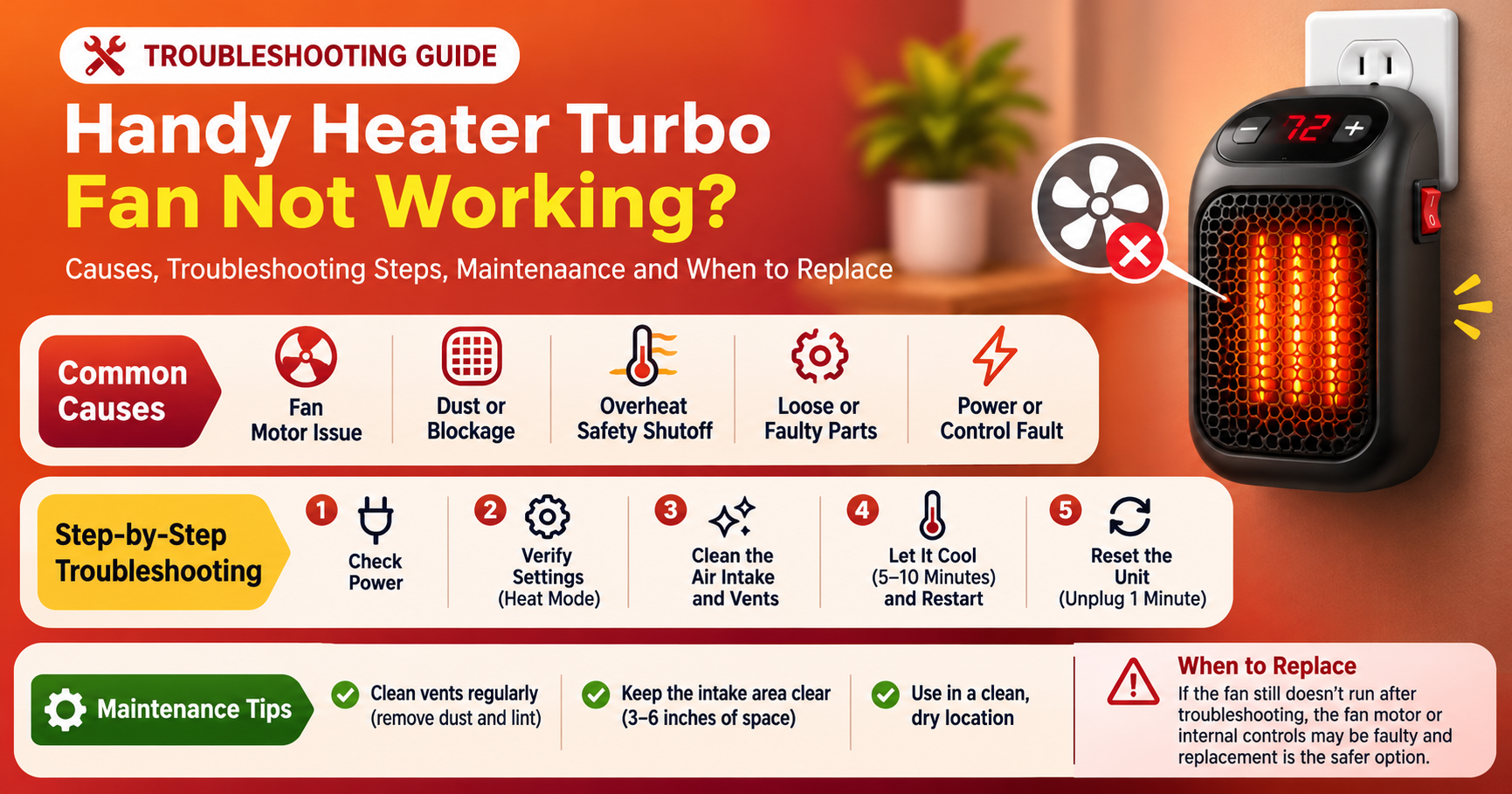
- Check the fan and reset the unit. Use a soft brush or compressed air to remove dust you can reach. Then keep the heater unplugged for 10 to 15 minutes so the thermal protection can reset. If your model has a reset button, follow the manual.
- Test it on a wall outlet. Place the heater on a flat, hard surface and plug it directly into a wall socket. Run it on a low setting first, then increase gradually while watching for a shutoff, smell, or noise.
Pro tip
Do not open a sealed heater housing unless the manual allows it. Opening the unit can void the warranty and expose you to electrical hazards. If cleaning from the outside does not help, contact the manufacturer or a qualified technician.
The 3-Foot Safety Rule
Fire safety organizations widely recommend keeping space heaters at least 3 feet (about 1 metre) away from anything that can burn, including bedding, upholstered furniture, curtains, paper, and clothing. This distance also gives the heater enough room to draw in and push out air properly.

Follow these placement habits every time you use your heater:
- Place it on a flat, hard, non-flammable surface, not on carpet piles, beds, or sofas
- Plug it directly into a wall outlet; avoid extension cords and power strips
- Keep children and pets away from the front of the unit
- Never leave it running while you sleep or while the room is empty, unless the manual and the model specifically allow it
- Never use it to dry clothes, shoes, or towels
When the Problem Is Not Just Blocked Airflow
If the heater still shuts off after a thorough cleaning and correct placement, the issue may be internal. Possible causes include:
- Failing fan motor: grinding, humming, or a fan that spins slowly or not at all
- Faulty thermostat or sensor: the heater thinks it is overheating when it is not
- Damaged power cord or plug: discoloration, a hot plug, or melted plastic
- Worn heating element or internal wiring: sparks, crackling, or burning smell that does not go away
Stop using the heater immediately if you notice smoke, sparks, a melted plug, or a persistent burning smell. These are signs that repair or replacement is needed, not further cleaning.
Different Heater Types and How Airflow Affects Them
| Heater Type | Airflow Dependence | What to Watch |
|---|---|---|
| Ceramic fan heater | High | Filter, fan, and vents must stay clear |
| Fan-forced coil heater | High | Dust on coils can cause burning smell and shutoffs |
| Oil-filled radiator | Low (natural convection) | Keep space around the fins; do not cover with clothes |
| Infrared radiant heater | Low to medium | Keep the front clear; objects in front absorb heat and can ignite |
| Panel or convection heater | Medium | Keep top and bottom vents unblocked |
How to Prevent Airflow Problems in the Future
- Clean the filter and grilles every 2 to 4 weeks during heavy use, more often in homes with pets
- Do a deep clean before storing it for summer, and keep it covered in a dry place
- Give it breathing room by keeping the 3-foot zone clear at all times
- Match the heater to the room size; an undersized heater runs constantly and heats up more
- Inspect the cord and plug regularly for heat marks, cracks, or looseness
- Read the manual for the exact error indicators and cleaning instructions of your model
Buying Guide: Features to Look for in a Safer Portable Heater
If your heater is old, damaged, or keeps overheating, choosing a well-built replacement is the safest solution. Look for these features:
- Overheat protection: automatic shutoff if internal temperature gets too high
- Tip-over protection: turns the heater off if it is knocked over
- Safety certification: look for recognized safety marks such as UL or ETL listing
- Removable, washable filter: makes airflow maintenance quick
- Adjustable thermostat: keeps the room at a steady temperature without constant full-power running
- Cool-touch housing: lowers burn risk, especially around children and pets
- Right wattage: a 1500-watt heater generally suits a small to medium room of around 150 square feet; larger rooms need a stronger or different heating solution
- Timer and auto-off: reduces the chance of leaving it running by mistake
- Quiet fan operation: useful for bedrooms and offices
Frequently Asked Questions
Why does my portable heater keep turning off after a few minutes?
The most common reason is overheat protection triggered by blocked airflow from a dirty filter, dusty fan, or poor placement. Unplug it, clean it, clear the surroundings, and let it cool before trying again.
Is it safe to use a heater that says airflow is blocked?
No. Turn it off, unplug it, and fix the cause first. Running a heater with restricted airflow can damage it and increases fire risk.
How often should I clean my portable electric heater?
Check the filter and vents every 2 to 4 weeks during regular use, and give it a full cleaning before and after the heating season.
Can I wash the heater filter with water?
Only if the manual says the filter is washable. Make sure it is completely dry before reinstalling it. Otherwise, vacuum it gently or replace it.
Why does my heater smell like burning when I turn it on?
A light dusty smell on first use after storage is common as dust burns off. If the smell is strong, chemical, or does not go away, switch it off, unplug it, and have it inspected.
Can I plug my heater into an extension cord?
It is best to plug a portable heater directly into a wall outlet. Heaters draw a lot of power, and extension cords or power strips can overheat.
Should I leave a portable heater on overnight?
Safety experts generally advise against leaving space heaters unattended or running while you sleep. Use a model with a timer and auto shutoff, and follow the manual.
When should I replace my portable electric heater?
Replace it if the cord or plug is damaged, safety features no longer work, it keeps overheating after cleaning, or you notice sparks, smoke, or a persistent burning smell.
Conclusion
A portable electric heater with blocked airflow is usually a problem you can fix in minutes: unplug it, clear the surroundings, clean the filter and vents, let it reset, and place it correctly on a flat surface with a 3-foot clear zone. Regular cleaning and smart placement keep your heater running efficiently, extend its life, and most importantly keep your home safe.
If the heater keeps shutting off, smells like burning, or shows damage to the cord or plug, do not take chances. Stop using it and replace it with a certified model that includes overheat and tip-over protection. Staying warm should never come at the cost of safety.