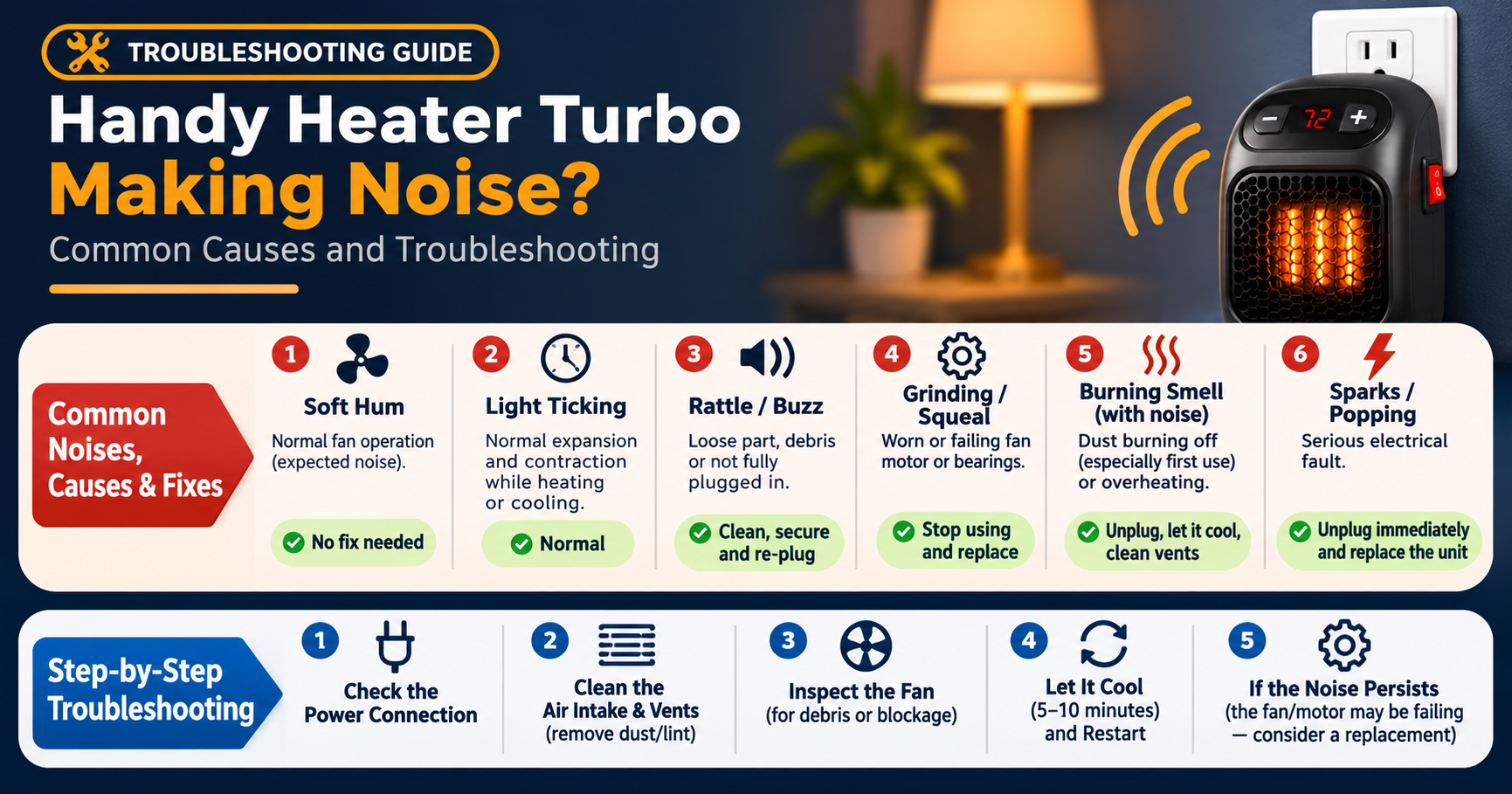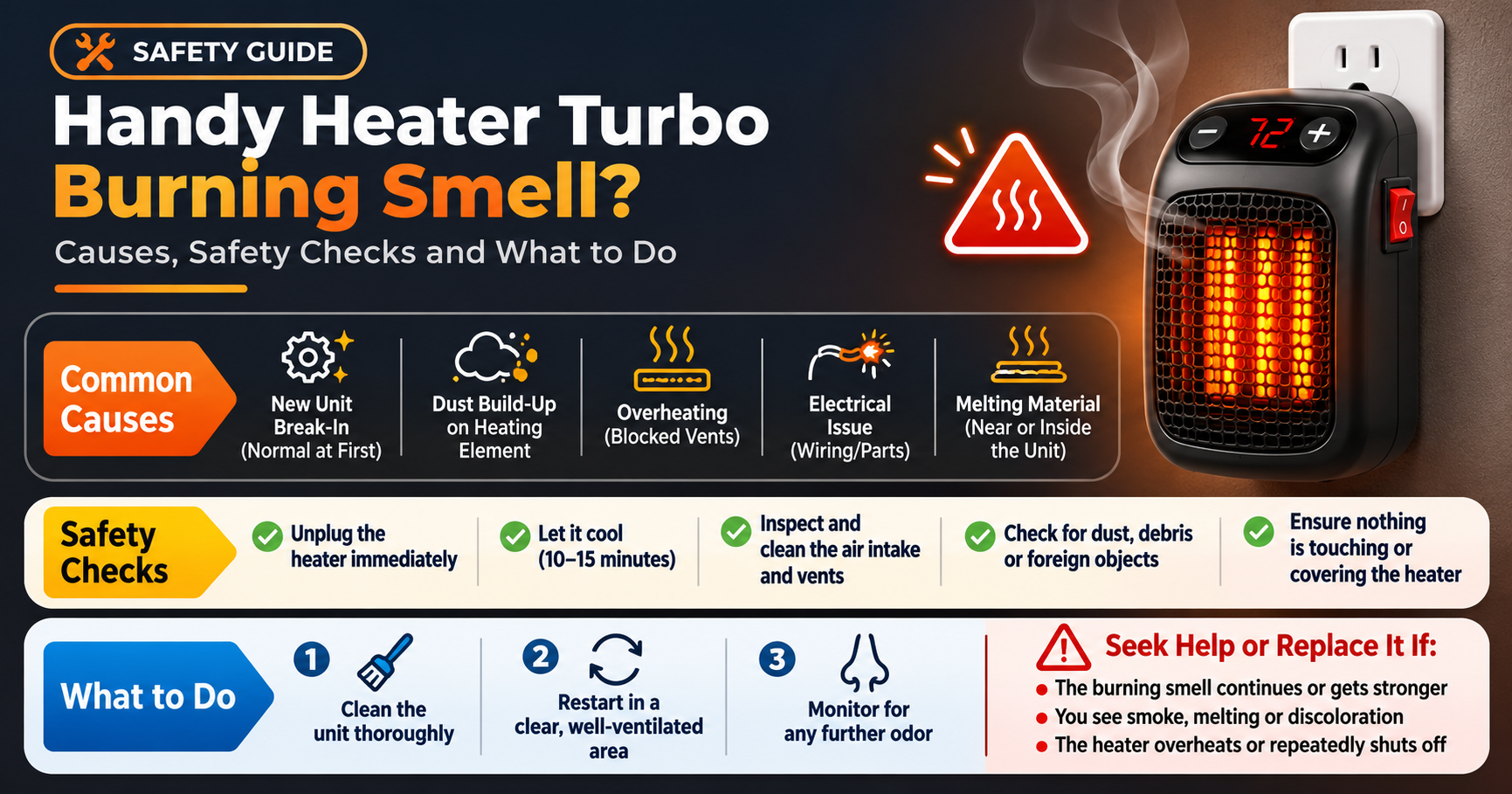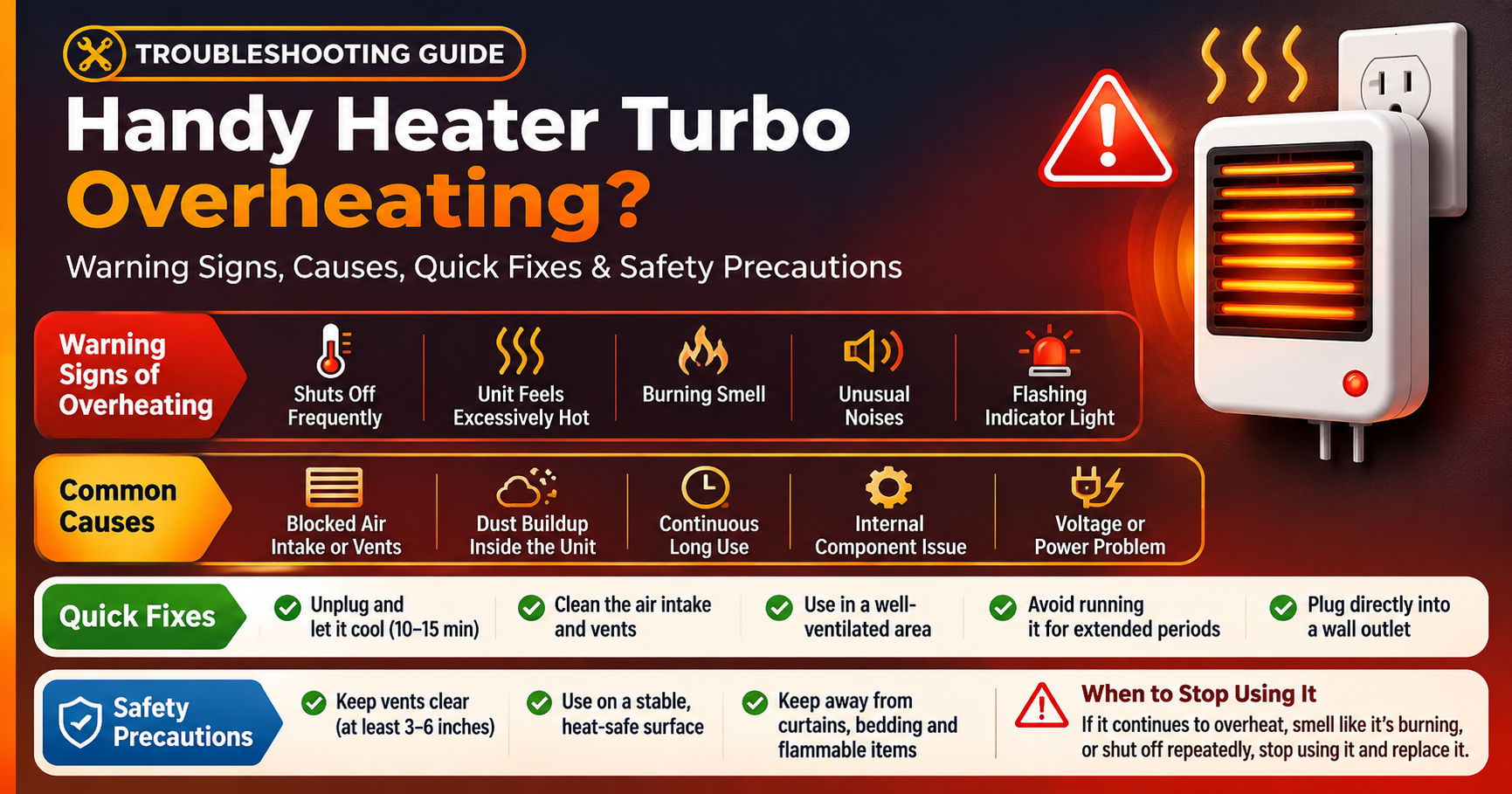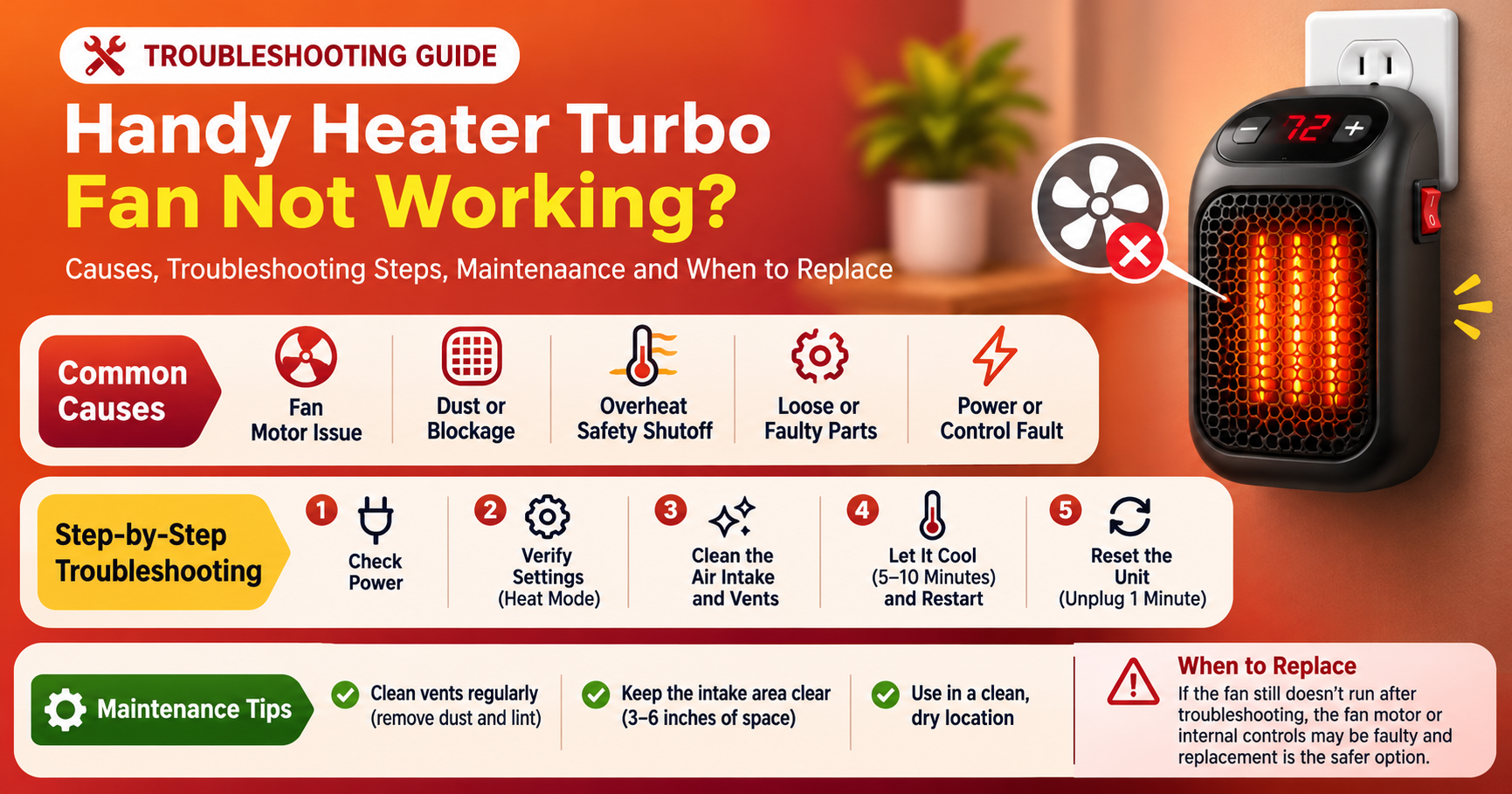
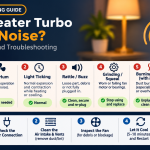
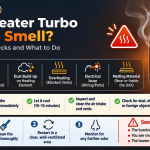
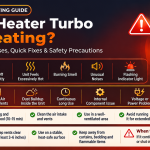
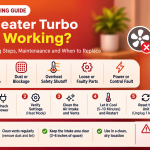
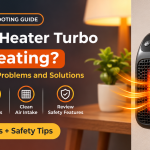
It is a cold evening, you switch on your portable electric heater, and all you get is a weak stream of cool or lukewarm air. Frustrating, right? The good news is that a portable electric heater not blowing hot air is usually caused by something simple, such as a thermostat setting, a dusty filter, or a safety switch that has tripped. In many cases you can fix it yourself in less than 15 minutes.
In this guide you will learn how a portable heater works, the seven most common reasons it stops producing warm air, a clear step-by-step troubleshooting routine, safety rules you should never ignore, and how to decide between repairing and replacing your heater.
Quick Answer
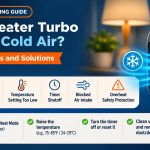
If your portable electric heater is blowing cold air, check these first: (1) the thermostat is set higher than room temperature, (2) the unit is plugged straight into a wall outlet, (3) the air filter and vents are clean, and (4) the overheat or tip-over protection has been reset. If none of these work, the heating element or thermal fuse has probably failed.
How a Portable Electric Heater Works
Understanding the basics makes troubleshooting much easier. Most portable electric heaters, whether they are ceramic fan heaters, coil heaters, or small space heaters, follow the same simple process:
- Electricity flows through a heating element (a ceramic plate or a metal coil), which becomes hot.
- A fan pulls room air across the hot element and pushes warm air back into the room.
- A thermostat senses the room temperature and switches the element on and off to hold your chosen setting.
- Safety parts such as a tip-over switch and a thermal fuse cut the power if the heater falls over or overheats.
If any one of these parts fails or is blocked, the heater may still run and move air, but the air will not be warm. That is exactly why so many people see a working fan with no heat.
7 Common Reasons Your Portable Heater Is Not Blowing Hot Air
1. The Thermostat Is Set Too Low
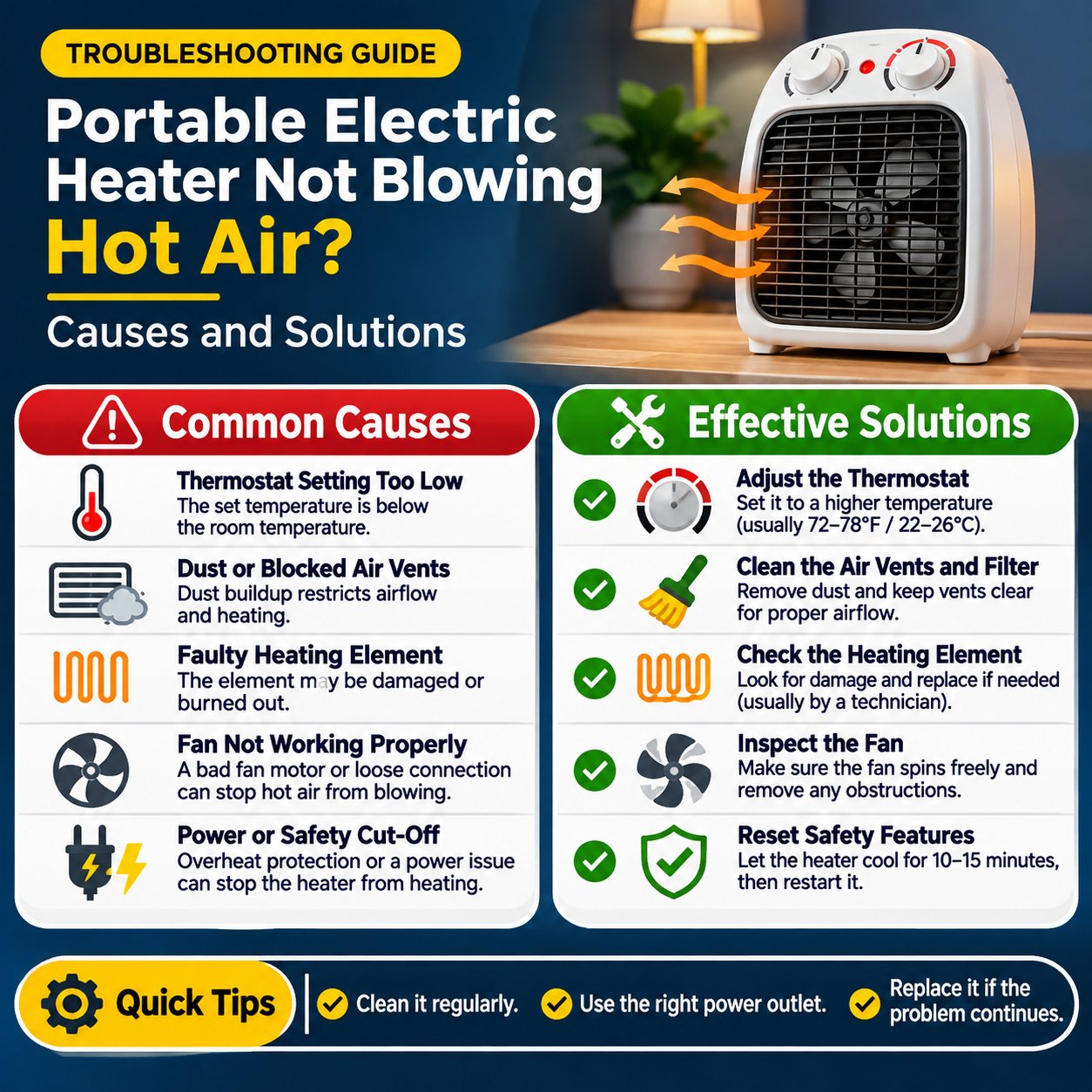
This is the number one cause. If the thermostat is set close to or below the current room temperature, the heater believes the room is already warm enough and keeps the element switched off while the fan keeps running. You will feel only room-temperature air.
Fix: Turn the thermostat to the maximum setting. If the heater starts producing hot air, the thermostat was simply set too low. Then lower it gradually to a comfortable level.
2. Wrong Mode or Eco Setting
Many modern heaters have several modes: fan only, low heat, high heat, and eco or auto. In fan-only mode the heater blows air with no heat at all. In eco mode the heater cycles on and off, so the air can feel cool for long periods.
Fix: Select the high heat mode and check the display or indicator lights. Read the manual to confirm what each mode does.
3. Dust, Lint, or a Clogged Air Filter
Dust and pet hair build up on the air intake, filter, and fan blades. Restricted airflow makes the heater overheat, and the built-in protection then shuts off the heating element to prevent damage. Blocked vents also reduce how much warm air reaches you.
Fix: Unplug the heater and let it cool completely. Clean the intake grille and vents with a soft brush or a vacuum cleaner. If your model has a removable filter, wash it according to the manual and dry it fully before putting it back.
4. Overheat Protection Has Been Triggered
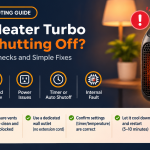
Almost every modern portable heater has an overheat sensor. If the heater is blocked, covered, too close to furniture, or running on a weak power supply, the sensor trips and turns off the element. On some models the fan still runs, so it feels as if the heater is only blowing air.
Fix: Unplug the heater and wait at least 30 minutes. Move it away from walls, curtains, and furniture, make sure nothing blocks the vents, and then plug it back in. Some models also have a small reset button, so check the manual for its location.
5. The Tip-Over Switch Is Stuck or Not Pressed
A tip-over switch cuts power to the element when the heater is not sitting upright and level. If the heater is on a carpet, a slanted surface, or has debris under its base, the switch may not engage properly and the heating element will stay off.
Fix: Place the heater on a flat, hard, stable surface. Turn it over (while unplugged) and check the base for dirt or objects that might keep the switch from pressing down. Press the switch gently with your finger to make sure it moves freely.
6. Weak Power Supply, Extension Cord, or Tripped Breaker
Portable heaters draw a lot of power, often around 1500 watts. When they are plugged into an extension cord, power strip, or a circuit already shared with other appliances, the heater may not receive enough power to heat properly, and the cord or plug can overheat. A tripped breaker can also cut the power to the heating side of the unit.
Fix: Plug the heater directly into a wall outlet. Avoid using other high-power devices on the same circuit at the same time. If the outlet feels warm, shows discoloration, or the plug is hot, stop using it and have an electrician check the outlet.
7. A Failed Heating Element, Thermal Fuse, or Thermostat
If the basic checks do not help, an internal part may have worn out. Heating elements weaken over time, and a thermal fuse can blow permanently after a serious overheating event. A faulty thermostat sensor can also keep the element from ever switching on.
Signs of an internal failure:
- The fan runs normally but the air never warms up, even after cleaning and resetting.
- You smell burning plastic or see sparks or smoke.
- The heater clicks repeatedly or turns itself off after a few seconds.
- The heater is more than five to seven years old and has heavy use behind it.
Fix: For safety reasons, do not open a plugged-in heater. Unless you are a qualified technician, repairing the heating element or fuse yourself is not recommended. Check your warranty first, and if it is out of warranty, replacement is usually cheaper and safer than repair.
Step-by-Step Troubleshooting Guide
Follow this order so you do not waste time. Always unplug the heater before touching any internal or external parts, and let it cool down first.
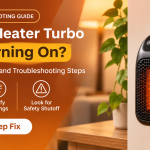
- Check the power. Plug the heater straight into a wall outlet that you know works, and confirm the power light is on.
- Check the controls. Choose the high heat mode and set the thermostat to maximum.
- Clean the heater. Remove dust from the intake, vents, and fan area with a soft brush or vacuum. Clean or replace the filter if your model has one.
- Reset the safety systems. Unplug the unit for 30 minutes, check the surface it sits on, then restart it. Press the reset button if your model has one.
- Test again. Let it run for five to ten minutes and hold your hand a safe distance in front of the vents. If the air is still not warm, an internal part has likely failed.
Is the Room Too Big or Too Cold?
Sometimes the heater works perfectly but feels weak. A small portable heater is designed to warm a limited area. In a large, drafty, or very cold room, the warm air mixes with the surrounding cold air so quickly that it feels lukewarm. Open windows, gaps under doors, and uninsulated walls make it even worse.
Tips to get more warmth from your heater:
- Close the door and windows of the room you are heating.
- Seal gaps under doors with a draft stopper.
- Place the heater a safe distance from you and point it toward the area where you sit.
- Use the heater in a small room, not an open-plan space.
- Choose a heater with the correct wattage for your room size. A typical 1500-watt heater is intended for small to medium rooms.
Heater Safety: Do and Do Not
Portable heaters are a major cause of home fires when used incorrectly, so safety must come first, especially when you are troubleshooting a heater that is not working correctly.
Stop using the heater immediately and replace it if you notice a burning smell, melted plastic, a damaged cord or plug, visible sparks, or repeated breaker trips. A heater that shows these signs is not safe to use, even if it still produces warm air.
Repair or Replace? How to Decide
Most portable heaters are inexpensive, so repair is rarely worth it once an internal component fails. Use these guidelines:
- Repair or reset if the problem was dust, a tripped safety switch, wrong settings, or a power issue. These fixes cost nothing.
- Use the warranty if the heater is relatively new and still covered. Contact the manufacturer or the seller for a repair or replacement.
- Replace if the heater is old, the heating element or thermal fuse has failed, the cord or plug is damaged, or you have noticed any burning smell or sparking.
What to Look for in a Replacement Portable Heater
If you decide to buy a new heater, choose carefully so that you do not end up with the same problem again. These features make a real difference:
- Safety certifications: Look for recognized safety marks (such as UL or ETL in the United States) on the product and packaging.
- Tip-over and overheat protection: Both should be standard on any heater you buy.
- Adjustable thermostat: This lets you control the temperature accurately and saves energy.
- Ceramic (PTC) heating element: Ceramic heaters heat up quickly, self-regulate their temperature, and are widely considered safer for small rooms.
- Multiple heat settings: Low, medium, and high modes give you flexibility and can reduce energy use.
- Timer and remote control: Handy for turning the heater off automatically so it does not run all night.
- Easy-to-clean design: A removable filter or an accessible intake makes regular maintenance simple.
- Correct size and wattage: Match the heater to your room. A heater that is too weak will never feel warm enough.
- Cool-touch housing and a sturdy base: These are especially important in homes with children or pets.
How to Prevent Your Heater From Blowing Cold Air Again
- Clean it regularly. Vacuum the vents and filter every few weeks during the heating season.
- Store it properly. At the end of winter, clean the heater, wrap it, and store it in a dry place.
- Inspect the cord. Check for cracks, fraying, or loose plug pins before every season.
- Keep the area clear. Maintain at least three feet of open space around the unit at all times.
- Do not overwork it. Avoid running it continuously for many hours without breaks.
- Follow the manual. Every model is slightly different, so check the manufacturer’s maintenance advice.
Frequently Asked Questions
Why is my space heater blowing cold air?
The most likely causes are a low thermostat setting, fan-only or eco mode, a clogged filter, a tripped overheat switch, or a failed heating element. Start by raising the thermostat, selecting high heat, cleaning the vents, and resetting the heater.
Why does my heater blow hot air and then cold air?
This is normal when the thermostat is cycling. The heater turns the element off when the room reaches the set temperature and on again when it drops. If it switches too often or turns off after only a few minutes, dust or poor ventilation is probably causing the overheat protection to trigger.
How do I reset my portable electric heater?
Unplug it, let it cool for about 30 minutes, check that it is upright on a flat surface, and plug it directly into a wall outlet. Some models also have a dedicated reset button, which you should find in the manual.
Can a dirty filter stop a heater from heating?
Yes. A clogged filter or vent reduces airflow and causes the heater to overheat. The safety system then switches off the heating element, so you may feel only cool air.
Is it safe to use an extension cord with a space heater?
It is generally not recommended. Heaters draw a lot of current, and most extension cords and power strips can overheat. Always plug the heater directly into a wall outlet unless the manufacturer says otherwise.
How long does a portable electric heater last?
With regular cleaning and proper use, many portable heaters last several years. Heavy daily use, dust, and poor storage can shorten their life, and heaters that are more than five to seven years old are more likely to develop element or thermostat problems.
Can I fix a broken heating element myself?
It is not recommended. Opening a heater and replacing internal parts involves electrical risk and can void your warranty. For safety, use a qualified technician or simply replace the heater.
Final Thoughts
A portable electric heater not blowing hot air is rarely a disaster. In most cases the cause is a simple setting, a layer of dust, a tripped safety switch, or a weak power connection that you can correct in minutes. Work through the troubleshooting steps in order, keep safety first, and do not hesitate to replace an old or damaged unit.
When you do shop for a new heater, prioritize certified safety features, a reliable thermostat, and the right size for your room. A little regular maintenance will keep your heater warm, efficient, and safe for many winters to come.
Safety note: This article is for general information only. If your heater shows signs of electrical damage, burning, or smoke, unplug it only if it is safe to do so, stop using it, and contact a qualified professional.