

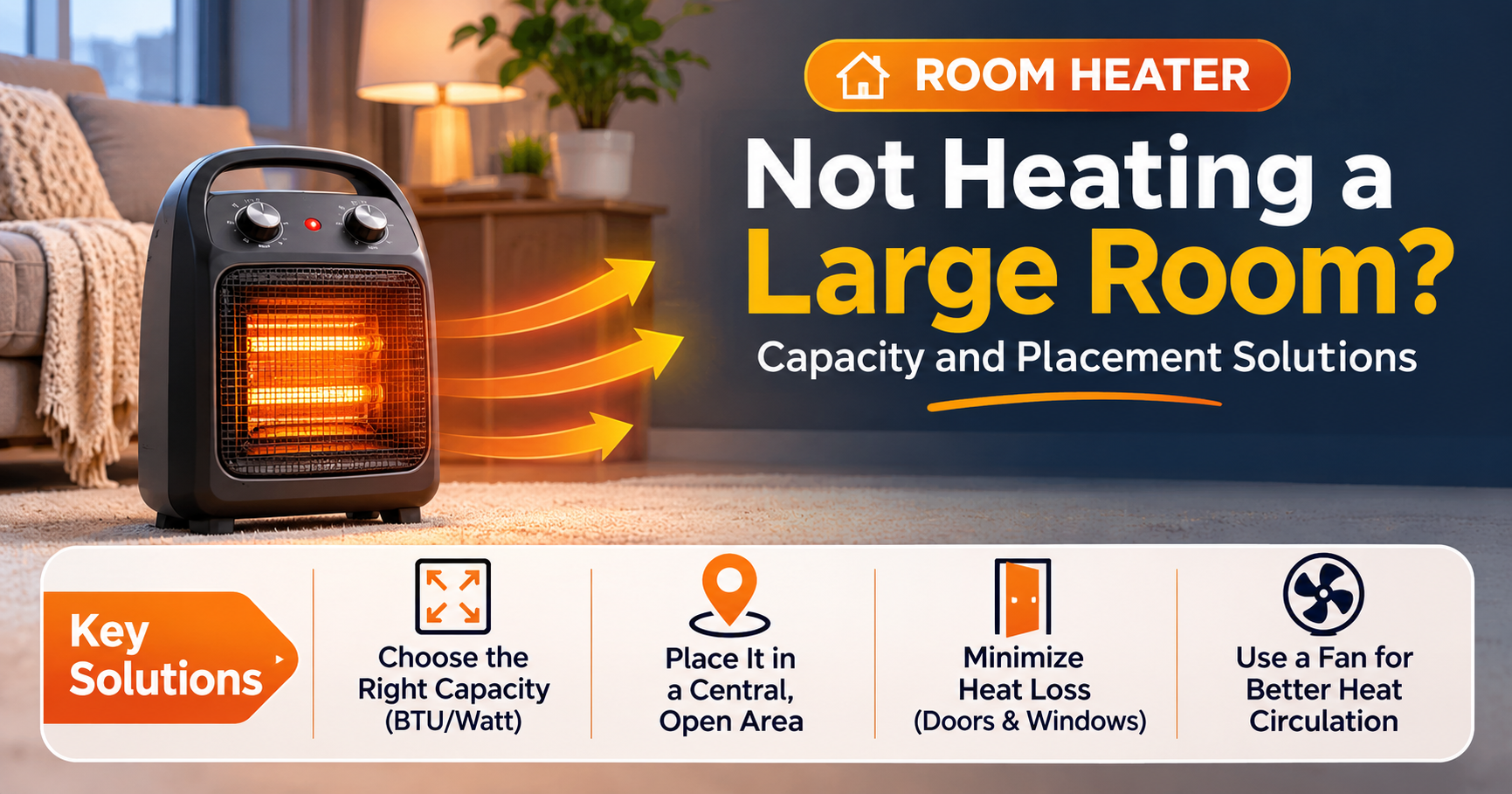
You switch the heater on, wait an hour, and the room still feels cold. If your room heater is not heating a large room, you are not alone. It is one of the most common winter complaints, and in most cases the heater itself is not broken. The real problem is usually a mismatch between the heater, the room, and the way heat moves through the space.
In this guide you will learn exactly why a heater struggles in a big room, how to calculate the right heater size, and nine practical fixes you can try today. You will also find a buying guide and answers to common questions.
Why Is Your Room Heater Not Heating a Large Room?
A heater does not create a fixed temperature. It adds a fixed amount of heat energy every hour. If the room loses heat faster than the heater adds it, the temperature will never rise. Large rooms have more air to warm, more wall and window area, and more places for heat to escape.
1. The Heater Is Too Small for the Room
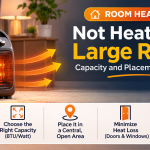
This is the number one cause. A standard 1500-watt portable heater is designed for roughly 150 square feet. Use it in a 400 square foot living room and it will only warm the air right next to it.
2. Poor Insulation and Heat Loss
Thin walls, uninsulated ceilings, and single-pane windows let warmth leak out almost as fast as it is produced. Windows alone can account for a large share of total heat loss in many homes.
3. Drafts From Doors and Windows
Gaps under doors and around window frames let cold air flow in constantly. The heater keeps warming new cold air that keeps replacing the warm air.
4. High Ceilings
Warm air rises. In a room with a ceiling above 9 feet, most of the heat collects near the top while you sit in the cold air below.
5. Wrong Heater Type
Some heaters warm people directly, while others warm the air. Choosing the wrong type for your room layout leads to uneven heating.
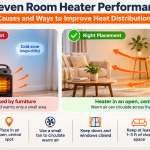
6. Bad Heater Placement
A heater placed in a corner, behind furniture, or beside a curtain cannot circulate warm air. Blocked airflow keeps heat trapped in one small area.
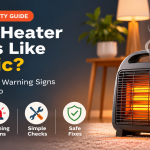
7. Thermostat or Overheat Protection Problems
A faulty thermostat can shut the heater off too early. Dust-clogged units may also trip the built-in overheat safety switch, making the heater cycle on and off.
8. Dirty Filters, Vents, and Elements
Dust on the heating element and vents reduces airflow and output. A heater that once worked well may slowly lose performance over a season.
9. Weak Power Supply
Extension cords, overloaded sockets, or low voltage can stop a heater from reaching its rated wattage. This reduces heating power without any obvious warning.
How to Choose the Right Heater Size for a Large Room
A simple rule of thumb is 10 watts of heating power per square foot of floor area, assuming an 8-foot ceiling and average insulation. In very cold climates or poorly insulated rooms, increase that figure.
| Room Size (sq ft) | Recommended Power | Approx. BTU/hr |
|---|---|---|
| 100 – 150 | 1500 W | 5,100 |
| 200 – 300 | 2000 – 3000 W | 6,800 – 10,200 |
| 300 – 450 | 3000 – 4500 W | 10,200 – 15,400 |
| 450 – 600 | 4500 – 6000 W | 15,400 – 20,500 |
Best Types of Heaters for Large Rooms
- Oil-filled radiator heaters: Slow to start but retain heat for a long time and give steady, silent warmth.
- Fan (forced air) heaters: Heat up quickly and push warm air across the room. Best when paired with good placement.
- Ceramic tower heaters: Safe, compact, and often oscillating, which spreads heat more evenly.
- Infrared (radiant) heaters: Warm people and objects directly, useful in high-ceiling rooms or open spaces.
- Convection panel heaters: Quiet, wall-mountable, and good for continuous low-level heating.
- Gas or central heating systems: Best choice when a whole large space must be warmed regularly.
9 Proven Fixes When Your Heater Is Not Heating a Large Room
Fix 1: Upgrade to a Higher-Wattage Heater
If your heater is clearly undersized, no trick will fully solve the problem. Use the table above and choose a unit that matches your floor area.
Fix 2: Use Two Heaters Instead of One
Placing two smaller heaters at opposite sides of the room spreads warmth better than one powerful unit. Make sure each is on a separate, properly rated circuit.
Fix 3: Seal Drafts
Fit draft stoppers under doors and use weather stripping around windows. This low-cost step can noticeably improve how warm the room feels.
Fix 4: Close Off the Space
Shut interior doors and heat only the zone you are using. A smaller air volume warms much faster.
Fix 5: Improve Window Insulation
Thick thermal curtains, window insulation film, or double glazing reduce heat loss significantly. Close curtains at dusk to trap warmth.
Fix 6: Place the Heater Correctly
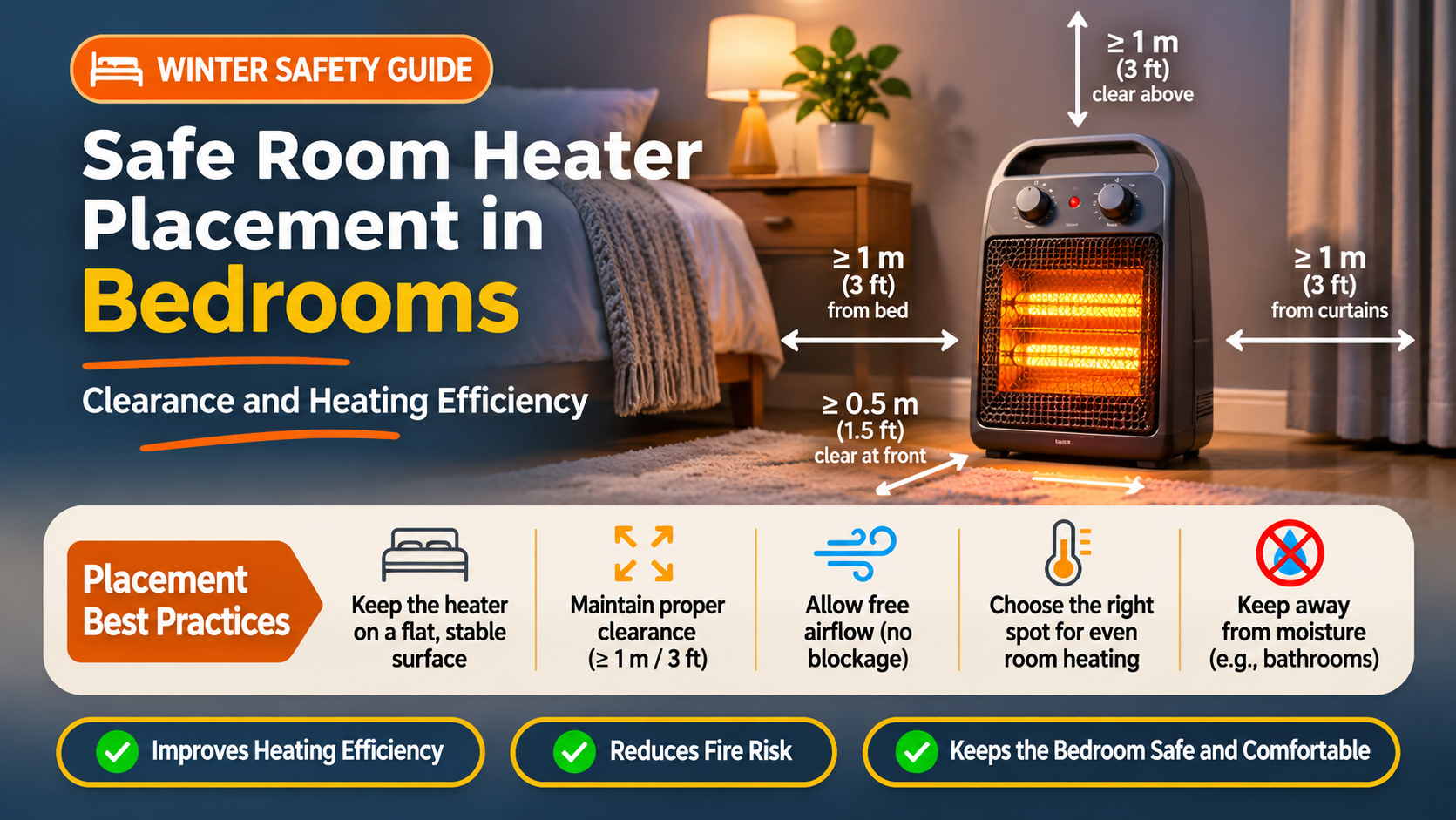
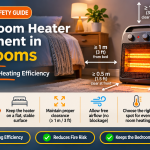
Put the heater on a hard, level floor away from furniture and curtains, ideally near the coldest wall or window. Keep at least three feet of clear space around it.
Fix 7: Use a Ceiling Fan on Low, Reverse Mode
In rooms with high ceilings, run the ceiling fan at low speed in the clockwise direction to push trapped warm air back down without creating a breeze.
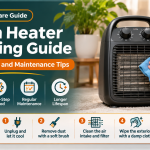
Fix 8: Clean the Heater
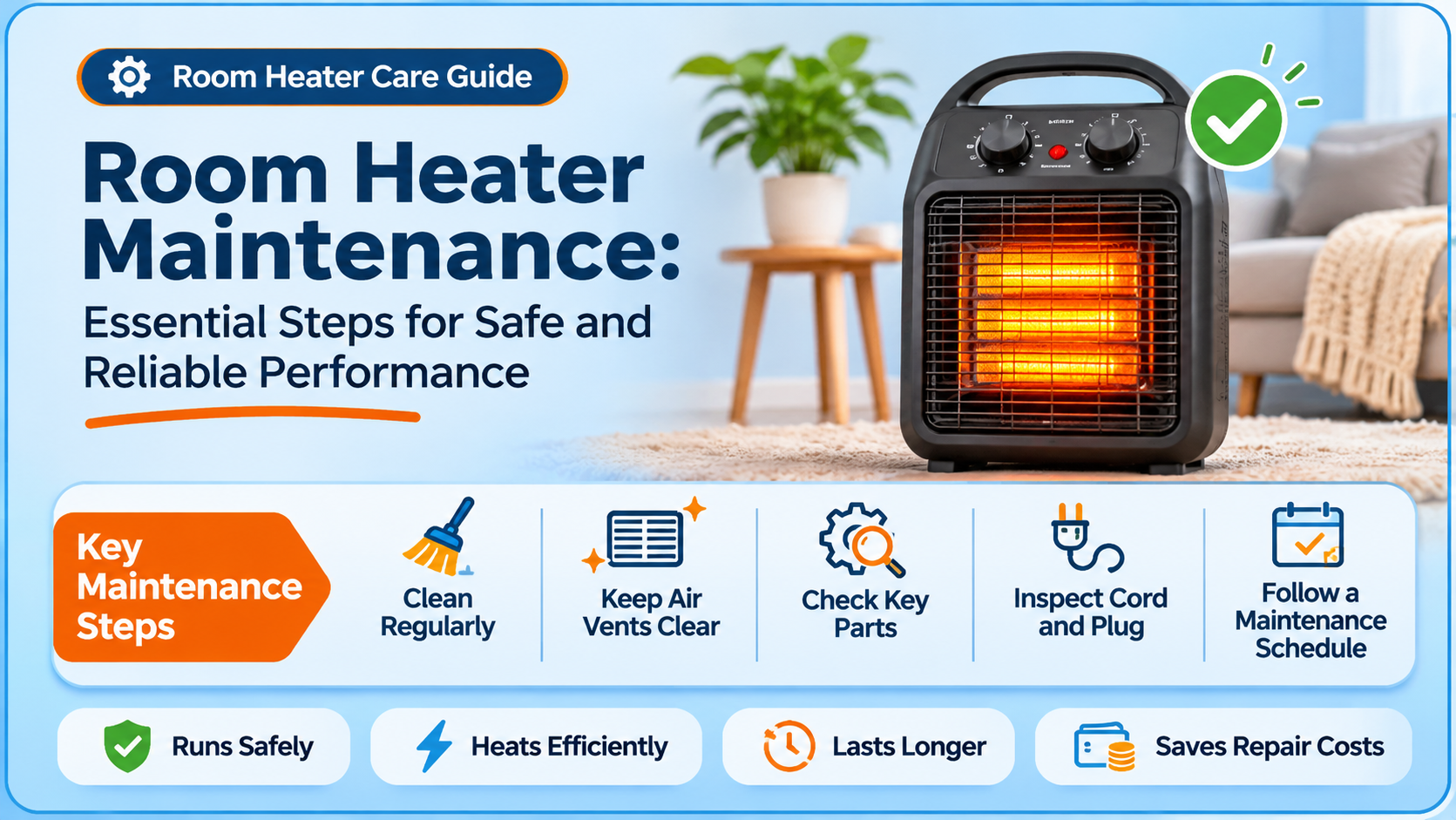
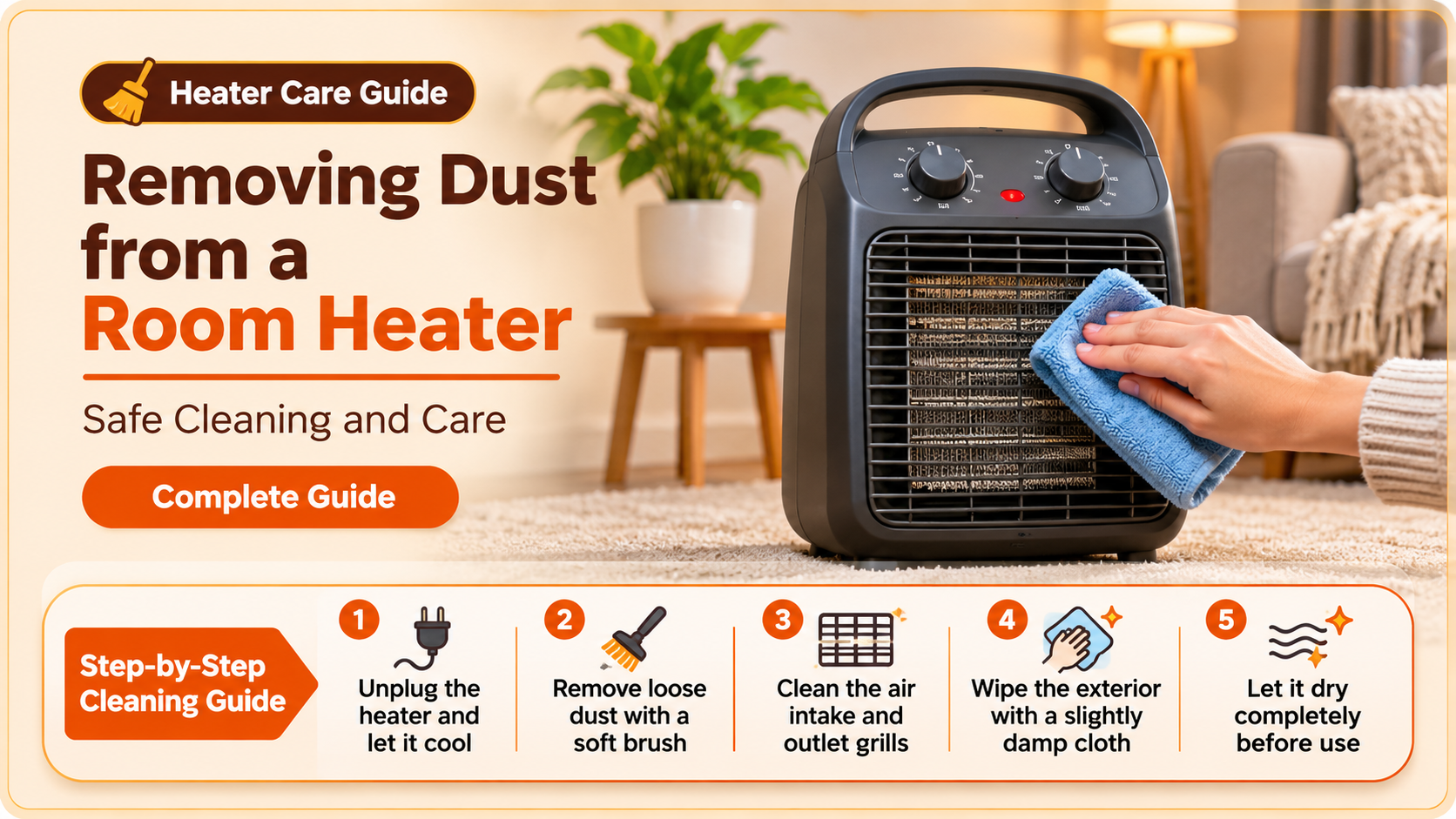
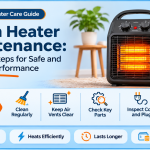
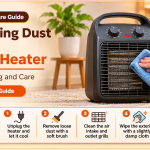
Unplug the heater, let it cool, and gently remove dust from the vents, grille, and filter using a soft brush or vacuum. Clean units run safer and deliver full output.
Fix 9: Check the Power and Thermostat
Plug the heater directly into a wall socket, not an extension cord. Set the thermostat to maximum for a test. If the heater still shuts off quickly or never reaches full heat, it may need repair or replacement.
Heater Safety Tips for Large Rooms
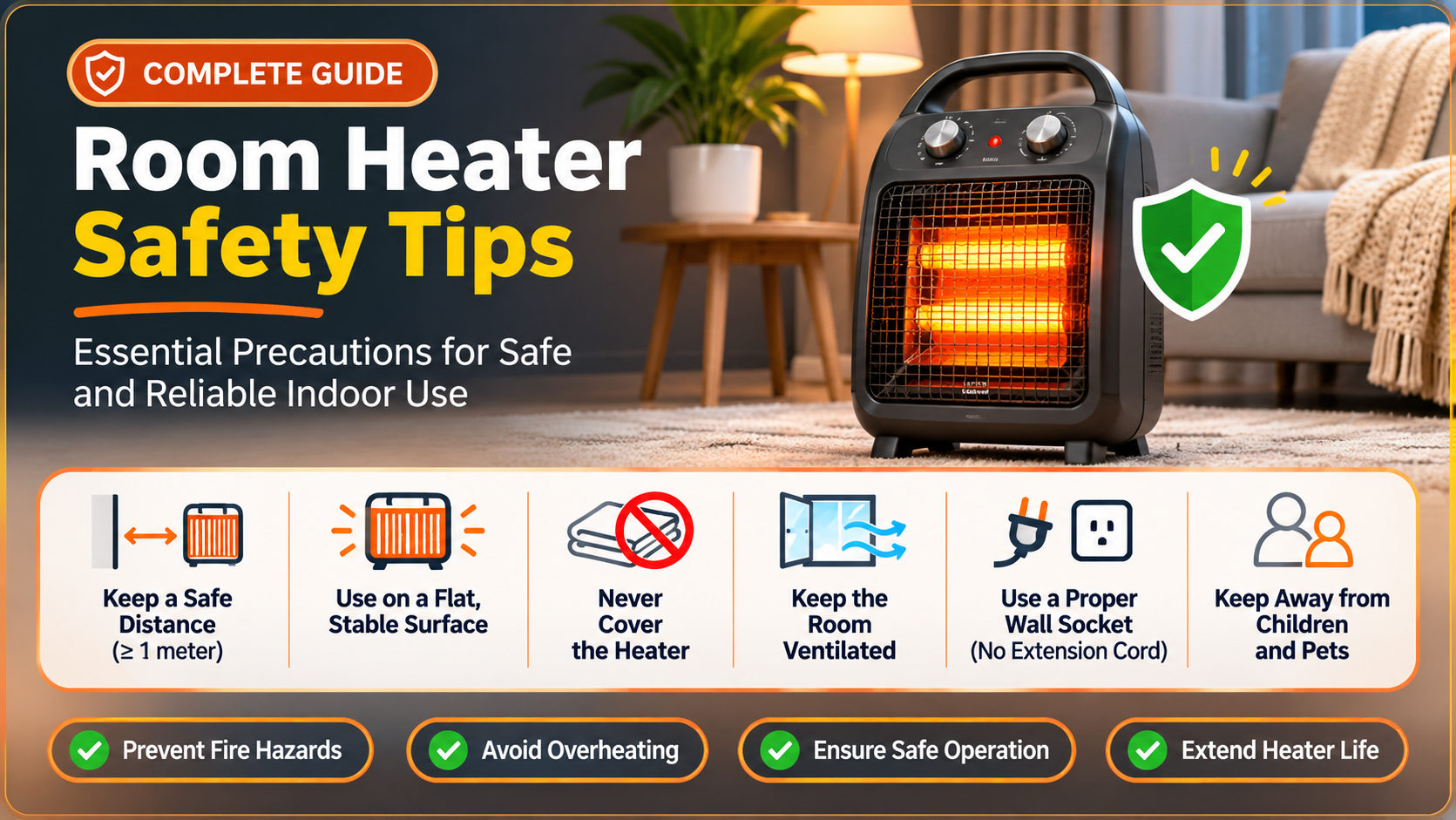
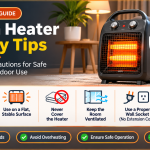
- Never leave a portable heater running while you sleep or leave home.
- Keep curtains, bedding, and clothes well away from the unit.
- Do not use extension cords with high-wattage heaters.
- Choose a model with tip-over protection and overheat shut-off.
- Ensure adequate ventilation when using any fuel-burning heater.
What to Look for When Buying a Heater for a Large Room
- Adequate wattage or BTU rating for your exact room size.
- Adjustable thermostat for steady and efficient heating.
- Oscillation or wide-angle airflow to cover more area.
- Multiple heat settings to balance comfort and electricity cost.
- Safety certifications and automatic shut-off features.
- Timer and remote control for convenience.
Frequently Asked Questions
Why does my heater only warm the area near it?
Most portable heaters have limited reach. Without enough power or air circulation, heat stays in a small zone around the unit.
How many watts do I need to heat a 400 square foot room?
Using the 10 watts per square foot rule, you would need around 4000 watts. Good insulation can lower this, while poor insulation may require more.
Is it better to use one big heater or two small ones?
Two smaller heaters placed on opposite sides usually give more even heating, though one properly sized heater also works well in rooms with simple layouts.
Do oil-filled heaters work well in large rooms?
Yes, they provide gentle, lasting warmth, but they take longer to heat up. They suit rooms that stay occupied for long periods.
Can a ceiling fan help a heater work better?
Yes. Running it slowly in reverse pushes warm air from the ceiling back down to where you sit.
Why does my heater keep turning off by itself?
Common reasons include the thermostat reaching its set point, overheat protection triggered by dust or blocked vents, or a tip-over safety switch.
Final Thoughts
When your room heater is not heating a large room, the fix usually comes down to three things: the right heater size, less heat loss, and smart placement. Calculate the wattage you actually need, seal drafts, insulate windows, and keep your heater clean. With these steps, even a big room can become warm and comfortable, without wasting electricity.