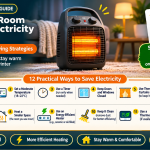
When the temperature drops, a room heater is one of the quickest and most affordable ways to keep your home comfortable. But a heater is also one of the most common causes of home fires, burns and electrical accidents during winter. The good news is that almost all of these incidents are preventable with a few simple habits.
In this complete guide to room heater safety tips, you will learn how to choose, place, use and maintain your heater correctly, what mistakes to avoid, what warning signs to look for, and what to do in an emergency. Whether you own an oil-filled radiator, a fan heater, a ceramic heater or a radiant heater, these rules will help you stay warm without taking risks.
Why Room Heater Safety Matters
Portable heaters convert a lot of electrical (or fuel) energy into heat in a small space. When something goes wrong, such as a blocked vent, a tipped unit, an overloaded socket or a damaged cord, temperatures can rise very quickly. The main hazards are:
- Fire: flammable items placed too close ignite from radiant heat.
- Electrical overload: high-wattage heaters on weak sockets or thin extension cords overheat wiring.
- Burns: hot metal grills and surfaces can injure children, pets and even adults.
- Carbon monoxide poisoning: a risk with gas, kerosene, wood and charcoal heaters used without ventilation.
- Electric shock: damaged cords or use near water.
Common Types of Room Heaters and Their Safety Profile
| Heater Type | How It Heats | Safety Notes |
|---|---|---|
| Oil-filled radiator | Heats oil sealed inside fins, which warms the room slowly and evenly | Surface is hot but usually cooler than coil heaters; stable and good for longer use. Still keep the clear zone. |
| Ceramic fan heater | Ceramic element plus fan blows warm air | Heats fast; body stays cooler. Choose one with tip-over and overheat protection. |
| Radiant / infrared heater | Directly heats people and objects nearby | Very hot element; keep well away from fabric and never leave unattended. |
| Halogen / quartz heater | Glowing tube produces radiant heat | Exposed hot parts; high fire risk if tipped or covered. Needs a guard. |
| Gas or kerosene heater | Burns fuel for heat | Produces carbon monoxide; requires ventilation and a CO detector. Not suitable for sleeping areas. |
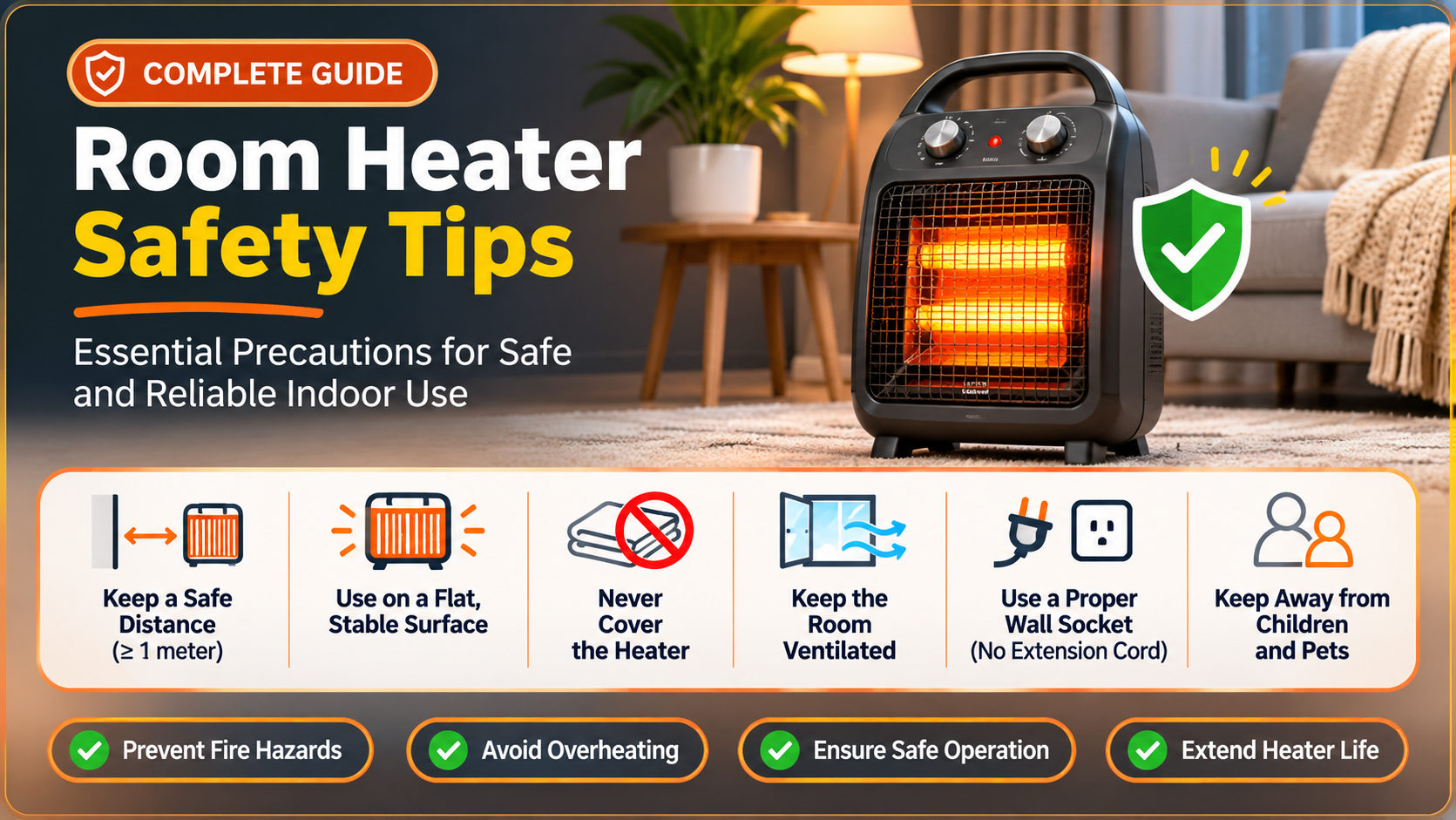
12 Essential Room Heater Safety Tips
1. Read the manual first
Every heater has its own wattage, safety cut-offs and operating limits. Spend five minutes with the user manual before the first use so you know how the thermostat, timer and safety switches work.
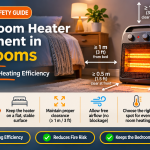
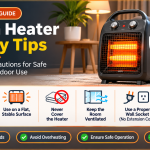
2. Keep a 3-foot (1 meter) clear zone
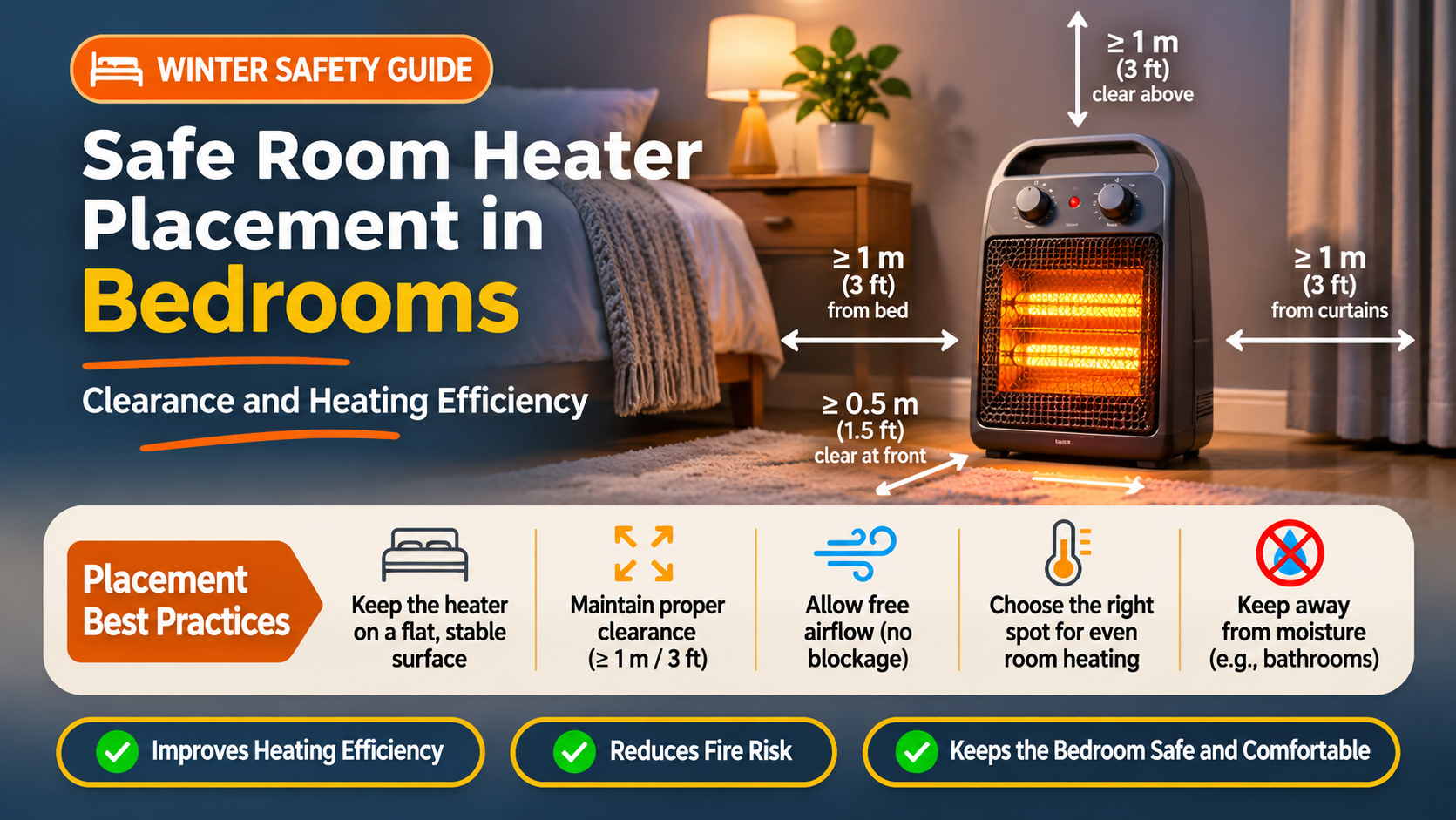
Curtains, bedding, sofas, paper, clothes and furniture can ignite from radiant heat. Maintain at least three feet of open space on every side of the heater.
3. Place it on a flat, hard, stable surface
Never put a heater on a bed, thick carpet, or an uneven surface. A flat floor prevents tipping, and a hard surface prevents heat build-up underneath.
4. Plug directly into a wall socket
Heaters draw a lot of current. Extension cords and cheap power strips can overheat and melt. If you must use an extension, choose a heavy-duty one rated higher than the heater’s wattage and keep it as short as possible.
5. Never leave it running unattended
Switch the heater off when you leave the room or the house. Even modern heaters can fail, and a small problem grows fast when nobody is watching.
6. Do not sleep with a heater running
Overnight use increases risk because you cannot react to smoke or heat. Warm the room before bed, then turn the heater off or use a model with a reliable auto shut-off timer.
7. Choose a heater with built-in safety features
Look for a tip-over switch, overheat protection, a cool-touch exterior and an adjustable thermostat. These features automatically shut the unit down if something goes wrong.
8. Inspect the cord and plug regularly
Check for fraying, cracks, discoloration or a plug that feels hot. Stop using the heater immediately if you notice any of these signs and have it repaired or replaced.
9. Never cover the heater or dry clothes on it
Blocking the vents traps heat and can trigger a fire. Wet clothes also add a shock risk, and fabric can ignite on a hot surface.
10. Keep children and pets away
Create a barrier or place the heater where curious hands and paws cannot reach it. Teach children that a heater is not a toy.
11. Keep it away from water
Never use a standard heater in a bathroom or damp area, and never touch it with wet hands. Moisture and electricity are a dangerous combination.
12. Install and test smoke and CO alarms
Working smoke alarms give early warning of fire. If you use any fuel-burning heater, a carbon monoxide detector is essential as well. Test alarms monthly.
Safe Use for Specific Situations
Heaters in Children’s Rooms and Homes with Pets
Children cannot judge heat risk. Choose a heater with a cool-touch body, place it out of reach, and consider a safety guard. Never leave a child alone in a room with a running heater. Pets love warm spots and may knock units over or chew cords, so supervise them closely.
Using a Heater in a Small Room or Bedroom
Small rooms heat quickly, so a lower-wattage unit with a thermostat is usually enough. Avoid placing the heater next to the bed, and keep bedding well clear. Switch it off before you fall asleep.
Gas, Kerosene and Charcoal Heaters
These must only be used in well-ventilated areas, never in a closed bedroom. Keep a window slightly open, use the correct fuel, refuel only when the heater is cool and outside, and install a carbon monoxide alarm. Symptoms of carbon monoxide poisoning include headache, dizziness, nausea and drowsiness; if they appear, move into fresh air immediately and seek medical help.
Maintenance Tips to Keep Your Heater Safe
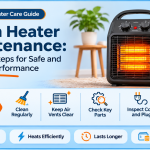
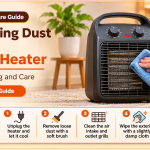
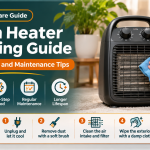
- Unplug and let the heater cool completely before cleaning.
- Remove dust from grills and vents with a dry cloth or soft brush. Dust build-up can smell, smoke or ignite.
- Check the plug, cord and switches for damage at the start of every winter.
- Store the heater in a dry place during warmer months, ideally in its original box.
- Never attempt to repair internal parts yourself; use a qualified technician.
Warning Signs: When to Stop Using Your Heater
- A burning or melting plastic smell
- Sparks, flickering power or a tripping circuit breaker
- A hot or discolored plug, socket or cord
- Unusual buzzing, crackling or smoke
- The heater shutting off repeatedly or failing to switch off
What to Look for When Buying a Safe Room Heater
If you are shopping for a new heater, safety features should matter as much as price and power. A well-built heater lasts longer, uses energy more efficiently and protects your family. Check for these points before you buy:
- Tip-over protection: shuts the unit off automatically if it falls.
- Overheat protection: cuts power when internal temperature gets too high.
- Adjustable thermostat: keeps the room at a steady temperature and saves electricity.
- Timer and auto shut-off: prevents the heater from running for too long.
- Cool-touch housing and safety grill: reduces burn risk for children and pets.
- Suitable wattage: roughly 1000 W for a small room and 1500 to 2000 W for a larger one.
- Quality certification and warranty: choose reputable brands that meet recognized safety standards and offer a clear warranty.
- Sturdy base and cable length: a wide base resists tipping, and the cord should reach the wall socket without an extension.
Common Room Heater Mistakes to Avoid
- Using the heater as a clothes dryer.
- Running several high-wattage appliances on the same socket or extension.
- Placing the heater close to a bed, sofa or curtain.
- Ignoring a damaged cord because “it still works.”
- Leaving the heater on to heat an empty room.
- Using a poor-quality, uncertified heater to save money.
What to Do in a Heater Emergency
- If it is safe, switch off the heater and unplug it, or turn off the main power.
- For a small fire, use a suitable extinguisher or smother it with a fire blanket. Never use water on an electrical fire.
- If the fire spreads, leave the building immediately, close doors behind you and call your local emergency number.
- For suspected carbon monoxide exposure, get everyone into fresh air and seek medical attention.
- Have the heater inspected or replaced before using it again.
Frequently Asked Questions
Is it safe to leave a room heater on all night?
It is not recommended. Most heater-related fires start when the unit is left unattended or used while people sleep. Pre-heat the room and switch the heater off before sleeping, or use a heater with proven auto shut-off protection and a timer.
How far should a heater be from the wall and furniture?
At least three feet (about one meter) from furniture, curtains and bedding, and a little distance from walls so air can circulate.
Can I use an extension cord with a room heater?
Plugging straight into a wall outlet is always best. If there is no alternative, use a heavy-duty cord rated for the heater’s wattage, fully uncoiled and as short as possible.
Which type of room heater is the safest?
Oil-filled radiators and modern ceramic heaters with tip-over and overheat protection are generally considered safer for home use because their surfaces run cooler or are well protected. No heater is risk-free, so safe habits matter most.
Do room heaters use a lot of electricity?
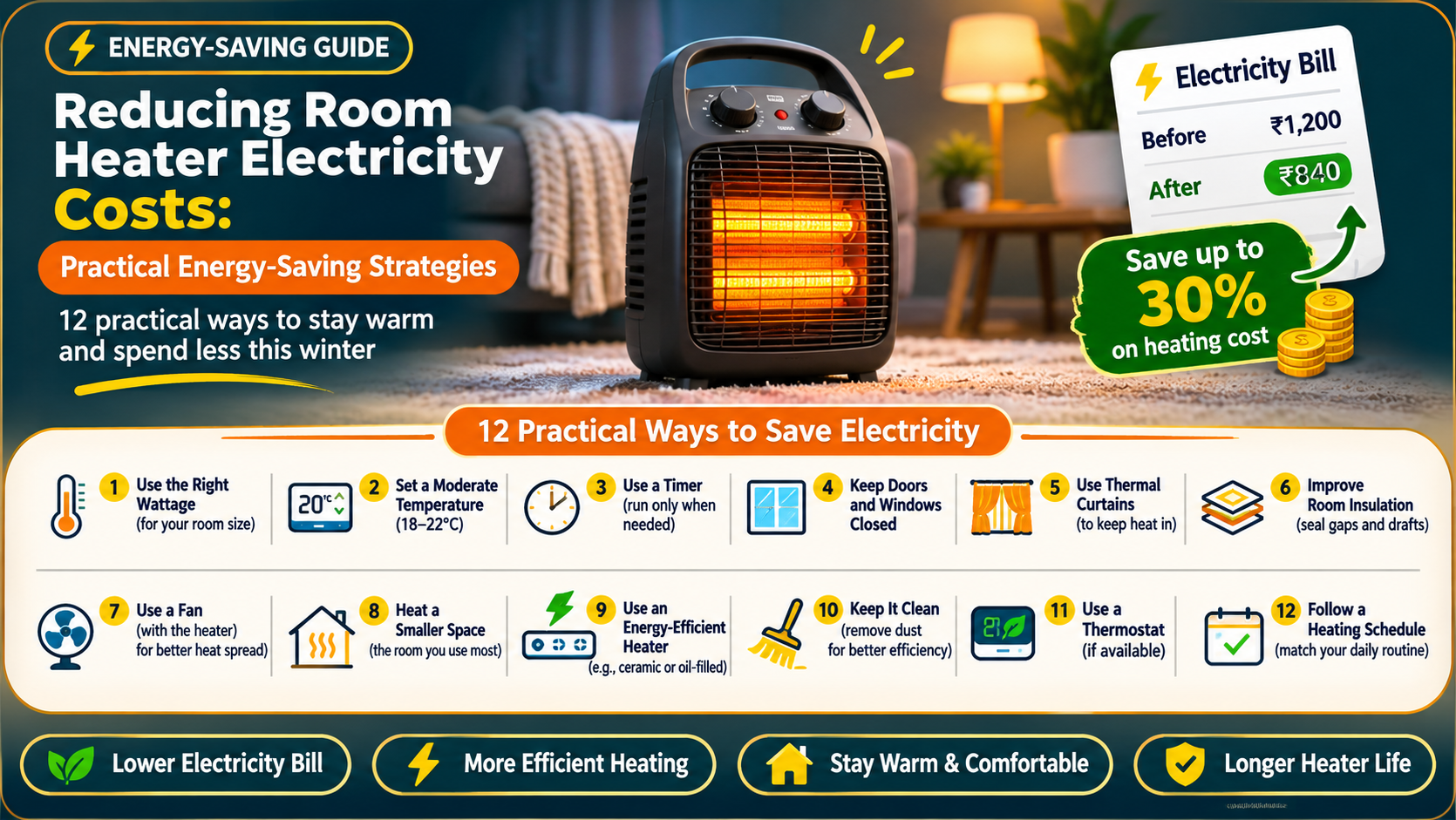
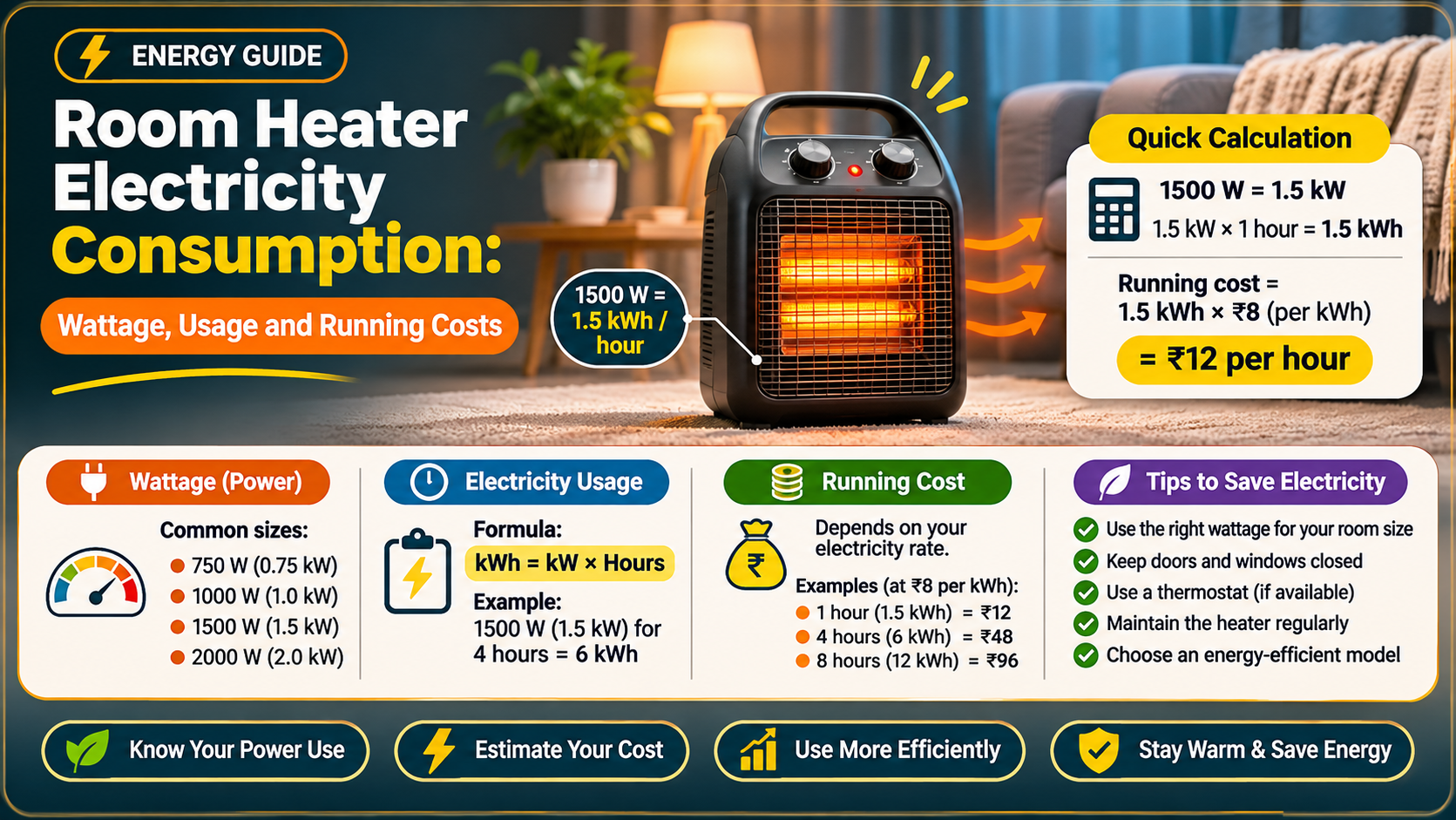
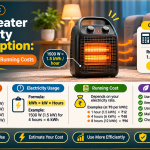
Most portable heaters range from 500 to 2000 watts. Using the thermostat, closing doors and heating only the room you occupy will reduce energy use.
Does a room heater reduce oxygen?
Electric heaters do not consume oxygen. Fuel-burning heaters (gas, kerosene, charcoal) do, and they can release carbon monoxide, so they need proper ventilation and a CO detector.
Final Thoughts
A room heater can make winter far more comfortable, but only when it is used with care. Choose a model with modern safety features, give it plenty of space, plug it directly into the wall, keep children and pets away, and never run it while sleeping or unattended. Add working smoke alarms and regular inspections, and you dramatically lower the risk of accidents.
Share these room heater safety tips with your family and friends so everyone can enjoy a warm, safe winter.