






You switch on your room heater on a cold evening, and within minutes a sharp, chemical, plastic-like smell fills the room. It is unpleasant, a little worrying, and it makes you wonder whether it is safe to keep the heater running. If this sounds familiar, you are not alone. A room heater that smells like plastic is one of the most common complaints people have with both new and old heaters.
The good news is that in many cases the smell is harmless and disappears quickly. The bad news is that in some cases it is an early warning of overheating or electrical damage. This complete guide explains why your room heater smells like plastic, how to tell a normal smell from a dangerous one, how to fix it step by step, and what to look for when buying a heater that will not cause the problem again.
Quick Answer: Why Does a Room Heater Smell Like Plastic?
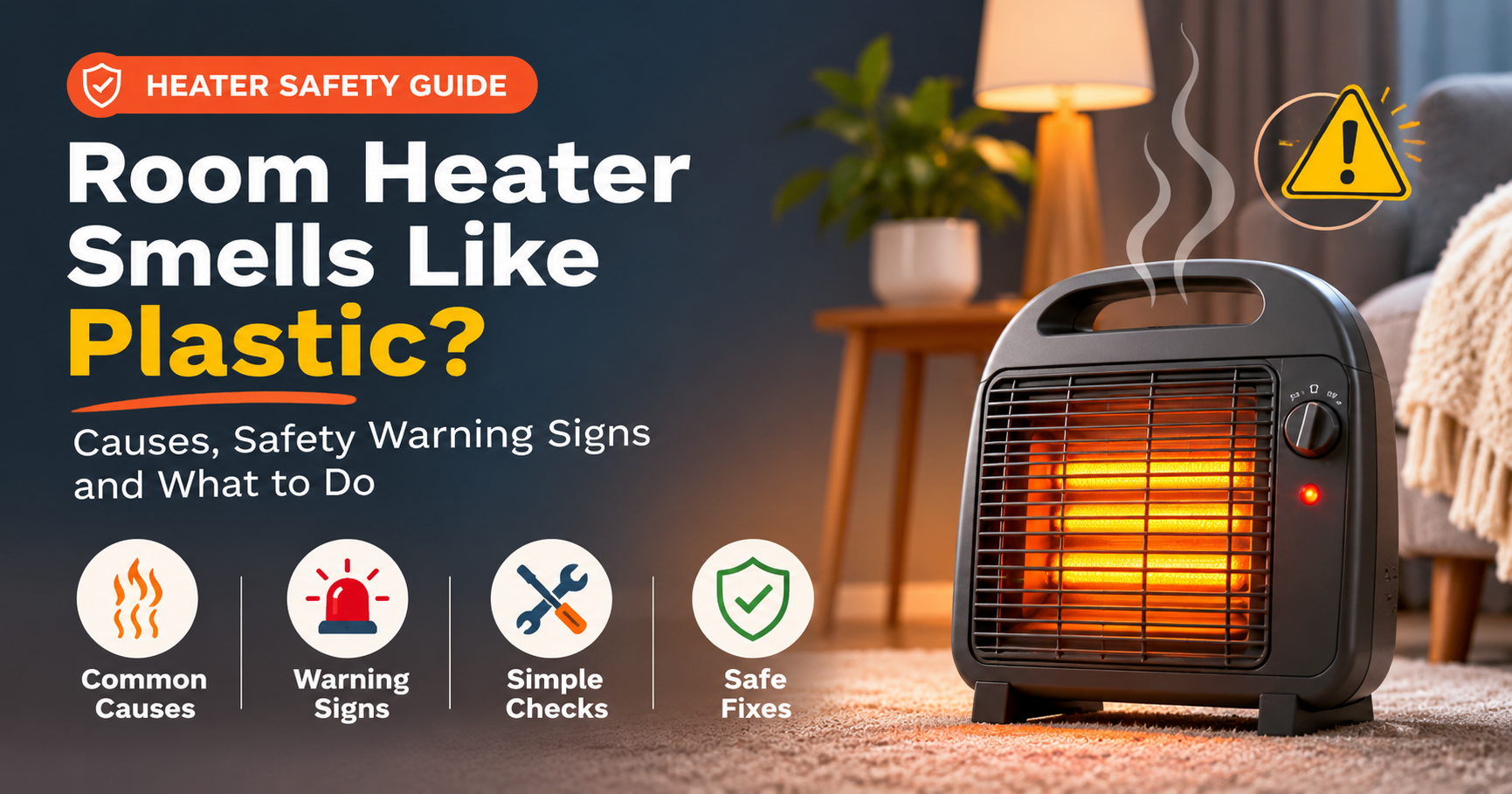
A room heater smells like plastic mainly because of one of these reasons:
- Manufacturing residue burning off on a brand-new heater (the most common cause).
- Dust and lint burning on the heating element after months of storage.
- Plastic parts getting too hot because of poor design, blocked airflow or a loose part touching the element.
- Damaged or overheated wiring, plug or socket, which is the most serious cause.
If the heater is new and the smell fades within a few hours, it is usually normal. If the smell is strong, keeps coming back, or comes with smoke, sparks or a hot plug, stop using the heater immediately.
The 4 Main Causes Explained
1. Factory Coatings and Oils Burning Off (New Heaters)
During manufacturing, metal parts are often coated with protective oils, lubricants or paint, and plastic components can still contain small amounts of chemical residue from molding. When you run the heater for the first time, the heating element reaches a high temperature and these residues vaporize. That is what creates the plastic or chemical smell.
This is sometimes called the burn-in or curing period. It normally lasts from a few minutes to a couple of hours of total use and rarely returns once it is finished. Cheap heaters with lower-grade materials may take a little longer.
2. Dust, Lint and Pet Hair on the Heating Element
If your heater has been stored in a cupboard or has not been used since last winter, dust settles on the heating coil, ceramic plates and inside the vents. When the heater warms up, this dust burns off and produces a burnt, dusty smell that many people describe as plastic-like. Homes with pets, carpets or construction dust nearby see this more often.
This smell is usually strongest the first time you switch the heater on for the season and fades as the dust burns away. Cleaning the heater before use prevents it almost completely.
3. Plastic Housing, Knobs or Internal Parts Getting Too Hot
Every heater has plastic parts such as the outer casing, control knobs, fan blades or cord guards. These are designed to stay below a safe temperature. A plastic smell can appear when:
- The air vents are blocked by curtains, clothes or furniture, so heat builds up inside.
- The heater is placed too close to a wall or a bed.
- A fan inside has failed, so the element is not being cooled properly.
- A cheap heater uses low-quality plastic that cannot handle the heat.
This is a real warning sign. Overheated plastic can warp, discolor and release unhealthy fumes. If you notice yellowing, warping or a soft spot on the body, stop using the heater.
4. Damaged Wiring, Loose Plug or Faulty Socket
A smell of melting plastic that seems to come from the cable, plug or wall socket is the most dangerous case. Heaters draw a lot of current, and a loose connection or damaged cable creates resistance, which turns into heat. The cable insulation, usually PVC, then starts to melt and produce a sharp, fishy or burning-plastic smell.
Signs include a plug that feels hot, discolored or blackened pins, a cable that looks cracked, a crackling or buzzing sound, or a heater that turns off and on by itself. Unplug the heater at once if you notice any of these.
Is the Smell Normal or Dangerous?
Use the chart below as a quick decision guide. It is not a replacement for a professional inspection, but it will help you decide what to do in the first few minutes.
Signs the Smell Is Probably Normal
- The heater is brand new or has not been used for several months.
- The smell is mild and fades within one or two hours of use.
- There is no smoke, no sparks, no unusual noise and the plug stays cool.
- The smell does not return on the next few uses.
Signs the Smell Is Dangerous
- The smell is sharp, strong and keeps getting worse.
- You see smoke, flames, sparks or glowing parts where there should be none.
- The plug, socket or cable is hot to touch or discolored.
- The heater casing is warped, melted or yellowed.
- The circuit breaker trips or the heater switches off by itself.
- Family members or pets cough, feel dizzy or get headaches near the heater.
Important: If you see smoke or flames, do not try to fix the heater. Switch off the power at the main switch if it is safe to do so, move everyone away from the room and call your local emergency number.
How to Get Rid of the Plastic Smell: Step by Step
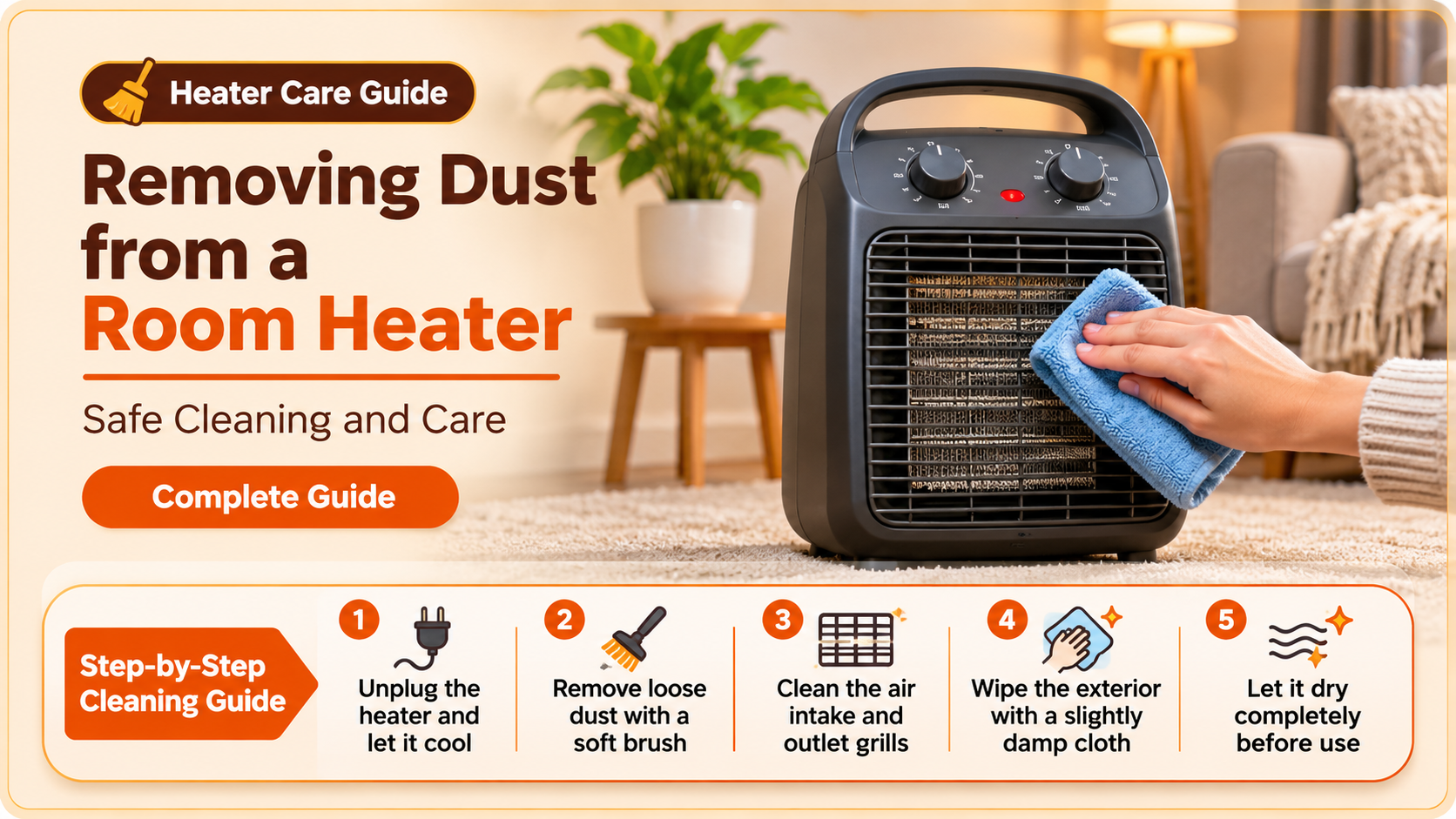
- Unplug the heater and let it cool completely. Never clean a heater that is plugged in or warm.
- Inspect it. Check the cable, plug and casing for cracks, burn marks, discoloration or melted spots. If you find damage, stop here and do not use the heater.
- Remove dust. Use a soft brush, a dry microfiber cloth or a vacuum cleaner with a brush attachment on the vents, grille and any accessible element area. For fan heaters, clean around the fan opening gently.
- Wipe the outer body. Use a slightly damp cloth, then dry it fully. Do not use sprays, strong chemicals or water near electrical parts.
- Ventilate the room. Open a window or door so the smell can escape during the first run.
- Run the heater on a medium or high setting for 1 to 2 hours. This helps a new heater complete its burn-in. Stay in the house and check it from time to time.
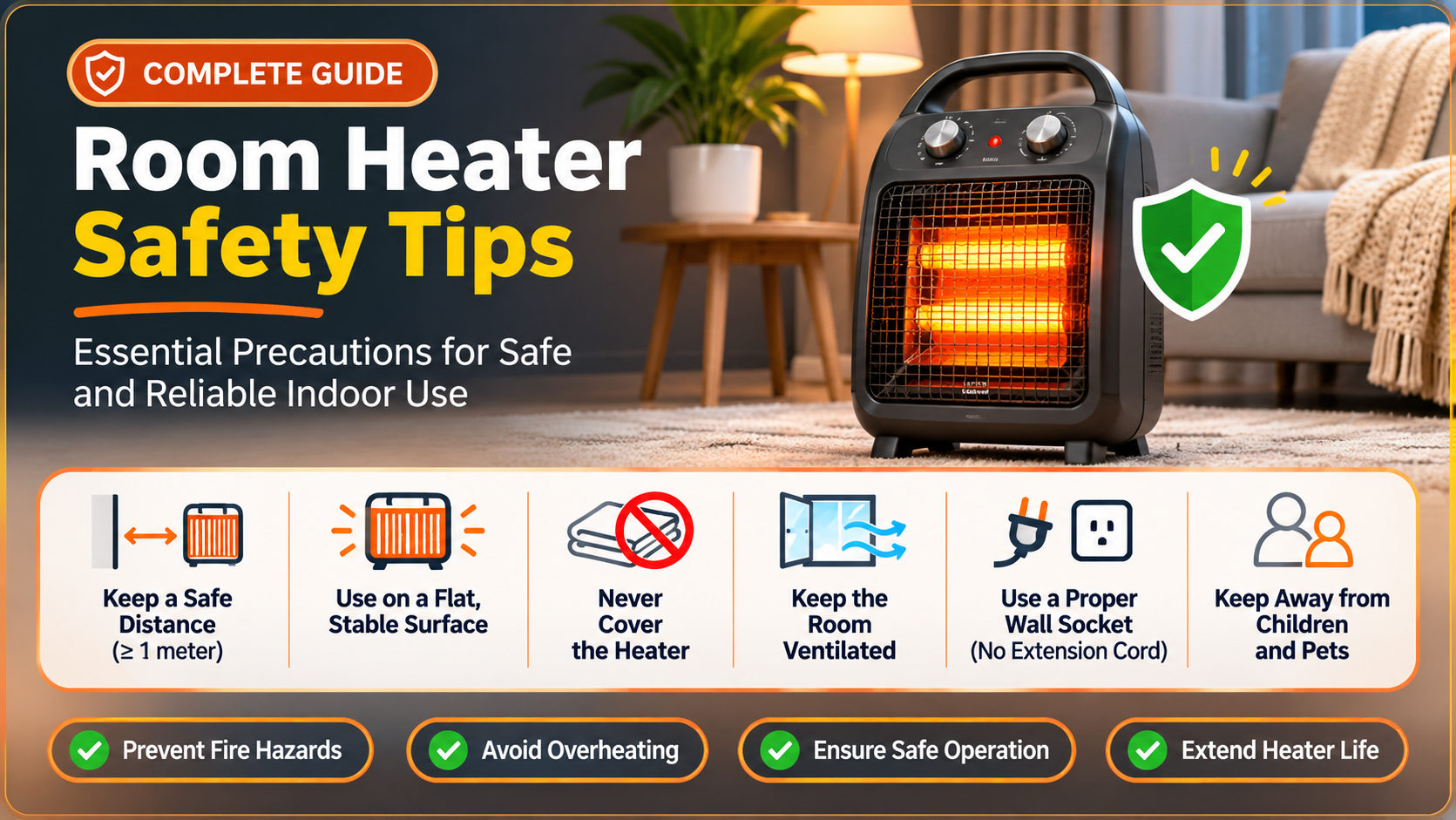
- Keep children and pets out of the room and do not leave the heater running while you sleep during this first burn-off.
- Test again after it has cooled. If the smell is gone or very faint, you are fine. If it remains, contact the seller or manufacturer.
Common Mistakes That Make the Smell Worse
- Using an extension cord or multi-plug. Heaters draw high current. Plug directly into a wall socket rated for the load.
- Drying clothes on the heater. Fabric near the element can scorch and also blocks airflow.
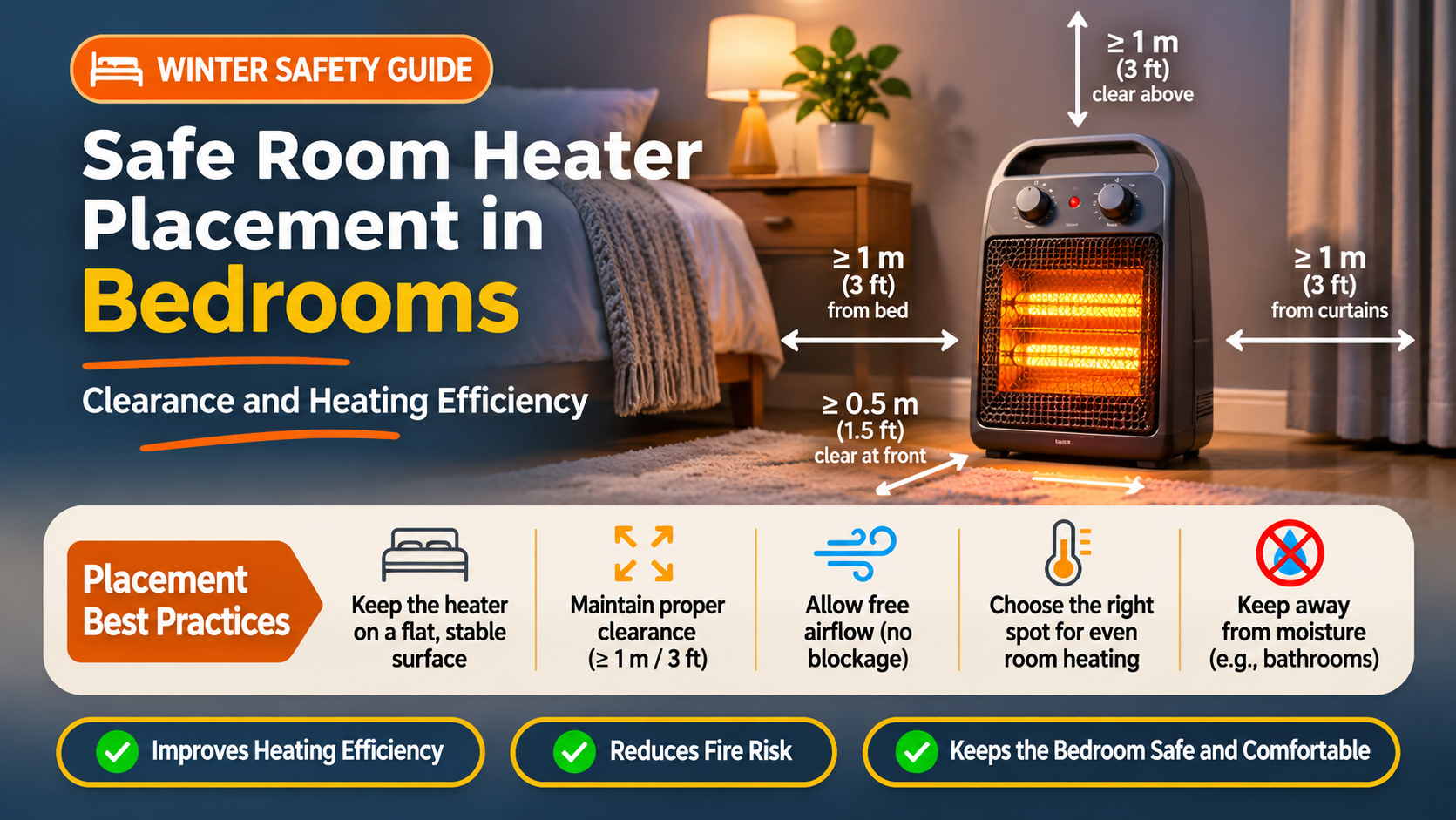
- Placing the heater on carpet or too close to furniture. Keep at least one meter (about three feet) of free space on all sides unless the manual says otherwise.
- Ignoring the first warning. A smell that gets stronger with each use is not something to wait out.
- Spraying air freshener to hide the smell. This does not fix the cause and can add more chemicals to the air.
Is Plastic Smell From a Heater Harmful to Health?
A very short, light burn-off smell is generally not a serious health concern for healthy adults in a ventilated room. However, fumes from overheated or melted plastic can contain irritating compounds. They may cause headaches, throat or eye irritation, coughing, nausea or dizziness, especially in children, older adults, pregnant women, pets and people with asthma or other breathing problems.
Birds are particularly sensitive to fumes from heated non-stick or plastic-coated parts, so keep pet birds well away from the room during any burn-off. If anyone develops symptoms, move them to fresh air and seek medical advice if symptoms continue.
Which Heater Types Are More Likely to Smell?
Any heater can produce a smell, but some designs are more prone to it than others. Heaters with exposed elements pick up dust and burn it more easily, while sealed designs such as oil-filled radiators tend to be cleaner.
- Oil-filled radiators: They heat slowly, have no exposed element and usually smell very little after the first use. A good choice for bedrooms and long running hours.
- Ceramic fan heaters: Quick heating and compact. They can smell lightly of dust at the start of the season.
- Halogen heaters: They glow brightly and burn dust easily, so a faint odor is common after storage.
- Coil or bar heaters: Cheap and effective, but exposed elements gather dust and coatings, which often leads to the strongest smell.
How to Choose a Room Heater That Will Not Smell or Overheat
If your current heater has a serious problem, or you simply want a safer replacement, keep these buying tips in mind. Always judge a heater by safety features and build quality, not just price or wattage.
Essential Safety Features
- Overheat protection: An automatic cut-off that switches the heater off if internal temperature gets too high.
- Tip-over switch: Turns the heater off if it falls or is knocked over.
- Adjustable thermostat: Prevents the heater from running at full heat all the time.
- Flame-retardant, heat-resistant housing: Look for materials rated to handle high temperatures.
- Thick, well-insulated power cable and a firm plug: A thin cable is a common cause of overheating.
- Safety certification marks: Choose products tested to recognized electrical safety standards in your region.
Other Things to Consider
- Room size and wattage: As a rough rule, many rooms need about 10 watts per square foot. An undersized heater runs at maximum constantly, while an oversized one wastes power.
- Timer and remote control: Convenient and helps avoid leaving the heater on unnecessarily.
- Easy-clean design: Removable or accessible grilles make dust control simple.
- Noise level: Important for bedrooms and study rooms, especially with fan models.
- Warranty and customer reviews: Pay attention to reviews that mention smell, overheating or cable problems.
How to Prevent a Plastic Smell Next Time
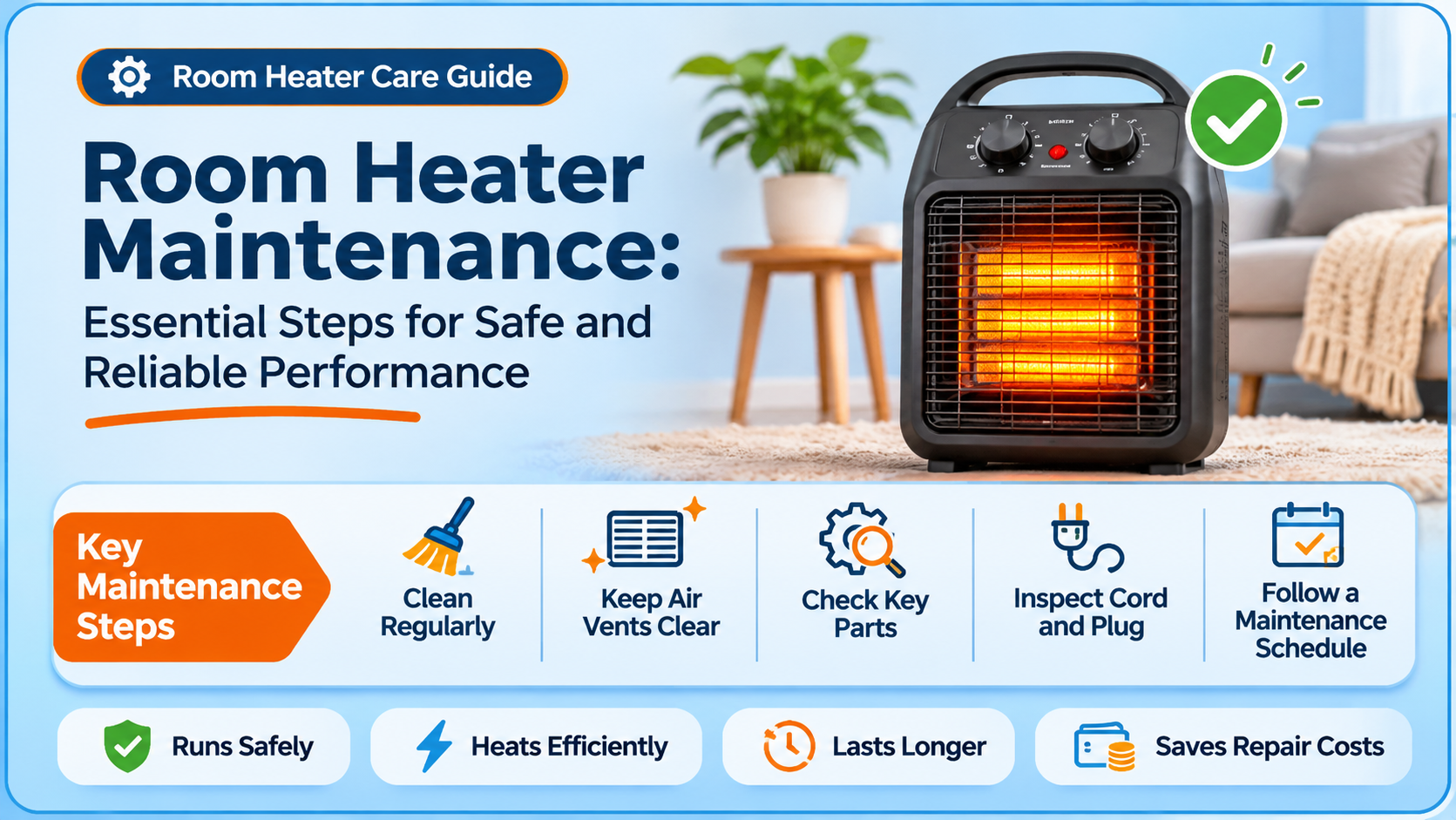
- Clean the heater thoroughly before storing it and again before the first use each winter.
- Store it in its original box or a dust cover in a dry place.
- Run a new heater in a ventilated room for the first hour or two.
- Keep vents clear and maintain safe clearance from walls, bedding and curtains.
- Use a dedicated wall socket and check the plug regularly for heat or discoloration.
- Replace the heater if the cable, plug or housing is damaged. Do not attempt DIY repairs on electrical heating parts.
When Should You Replace the Heater?
Replace the heater instead of trying to fix it if:
- The plastic smell returns again and again even after cleaning.
- The cable, plug or body shows melting, cracks or burn marks.
- The heater is more than 8 to 10 years old and showing signs of wear.
- The safety cut-off or thermostat no longer works properly.
- It trips your circuit breaker repeatedly.
A heater is not a product worth gambling on. The cost of a new, well-made unit is small compared with the damage a fire can cause.
Frequently Asked Questions
How long does a new room heater smell like plastic?
Most new heaters smell for a few minutes up to a couple of hours of total running time. If the smell lasts beyond several uses, contact the seller or manufacturer.
Is it safe to sleep with a heater that smells like plastic?
No. Do not sleep with a heater running while it still smells. Let it complete the burn-off while you are awake and the room is ventilated. Even a normal heater should never be left unattended or used in a way the manual does not allow.
Why does my heater smell like burning plastic when I turn it on after months?
This is usually dust, lint or pet hair burning off the element. Clean the heater, ventilate the room and run it for a while. If the smell is sharp or does not improve, inspect the cable and plug for damage.
Can a plastic smell from a heater make you sick?
A light, short-lived smell is unlikely to cause problems for most healthy people, but strong fumes from overheated plastic can cause headaches, nausea and breathing irritation. Ventilate the room and stop using the heater if symptoms appear.
Why does my oil heater smell like plastic?
Oil-filled radiators can still release a smell from paint, packaging residue or dust on the outer fins during the first few uses. A persistent smell can point to an electrical problem at the plug, cable or control unit, so inspect those parts.
Should I return a heater that smells like plastic?
If the smell is strong, does not fade after the first few uses, or comes with any safety sign such as heat at the plug or discoloration, yes. Use your warranty or return window and choose a model with proper safety certification.
Does opening a window help?
Yes. Fresh air removes fumes and lets the smell clear faster, especially during the first run of a new heater. Just keep curtains away from the heater and avoid drafts that blow directly on it.
Final Thoughts
A room heater that smells like plastic is not always a disaster, but it should never be ignored. A faint smell on the first use is usually just factory residue or dust burning off. A strong, persistent or sharp smell is a different story, because it can mean overheating or electrical damage, and that is a fire risk.
Clean the heater, give it a proper first run in a ventilated room, and pay attention to how it behaves. If anything feels wrong, unplug it and stop using it. When it is time to buy a new one, put safety features, build quality and honest user reviews ahead of the lowest price. A safe and comfortable winter is worth far more than a few saved dollars.
Disclaimer: This article is for general information only. If you suspect an electrical fault or fire risk, stop using the appliance and contact a qualified electrician or the manufacturer.