
When the nights get cold, few things are worse than climbing into a chilly bed. Running a central heating system or a big oil-filled radiator all night is expensive, and most full-size space heaters take up floor space you may not have. That is why compact plug-in heaters have become so popular, and why so many people are searching for the Handy Heater Turbo for bedroom use.
In this guide, we look at what the Handy Heater Turbo 800 actually is, how well it suits a bedroom, its strengths and limits, safety rules you should follow, and who should (and should not) buy it. By the end, you will know whether this little wall-outlet heater deserves a spot in your room.
What Is the Handy Heater Turbo?
The Handy Heater Turbo 800 is a small ceramic heater that plugs directly into a standard wall outlet. It is sold under the Ontel brand and became well known through “As Seen on TV” marketing. Instead of sitting on the floor with a long cord, the whole unit sits against the wall, which keeps walkways clear and reduces cord clutter.
As the name suggests, it is rated at 800 watts and runs on standard 120-volt household power. It is meant for personal spaces such as a bedroom, small office, bathroom, or dorm room rather than for heating an entire house.

Key Features at a Glance
- 800-watt ceramic heating element: Ceramic heaters warm up quickly and are widely used in compact heaters.
- Adjustable thermostat (about 60°F to 90°F): The heater cycles to hold the temperature you set instead of blasting constantly.
- Digital LED display: Easy to read, even in a dark bedroom.
- 12-hour programmable timer: Useful for pre-warming a room before bedtime or switching off automatically.
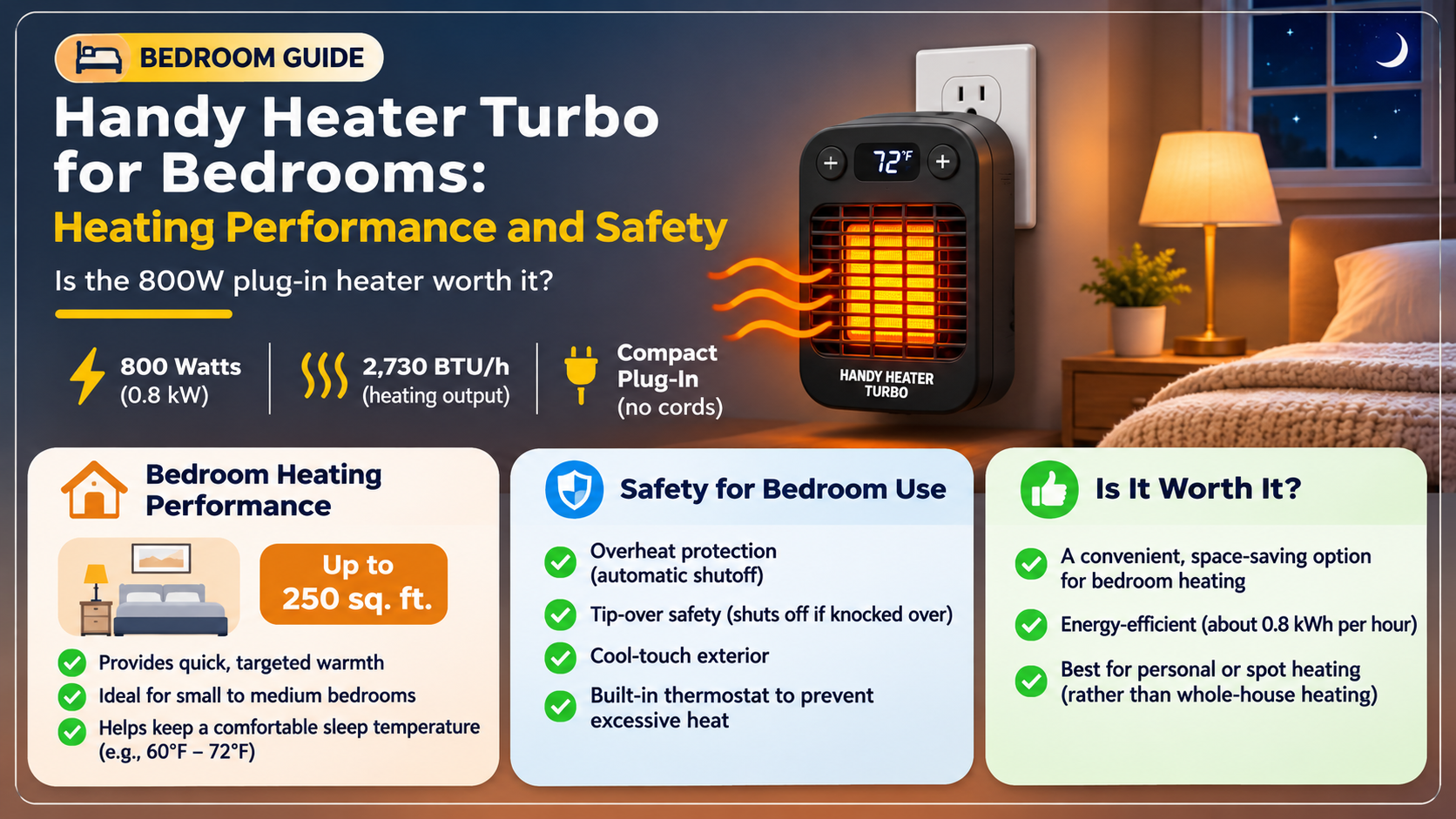
- Auto shut-off and stay-cool housing: Built-in safety features aimed at reducing overheating risk.
- Quiet operation: No loud fan roar, which matters when you are trying to sleep.
- Wall-outlet design: Frees up floor space and avoids tangled cords.
Is the Handy Heater Turbo Good for a Bedroom?
For the right bedroom, yes. The design suits a bedroom in several practical ways.
1. It stays out of the way
Bedrooms are often tight on space. A heater that plugs straight into the wall does not need a spot on the floor, so you will not trip over it at night or lose room next to the bed.
2. It is quiet
Noise is one of the biggest complaints with cheap heaters. The Turbo is designed for quiet running, and the digital display and timer let you manage it without fuss. Expect a gentle hum and the occasional click as the thermostat cycles rather than a constant loud fan.
3. The timer fits a sleep routine
You can set the heater to warm the room while you get ready for bed, then have it shut off on schedule. That keeps energy use lower than running a heater all night.
4. It suits small rooms best
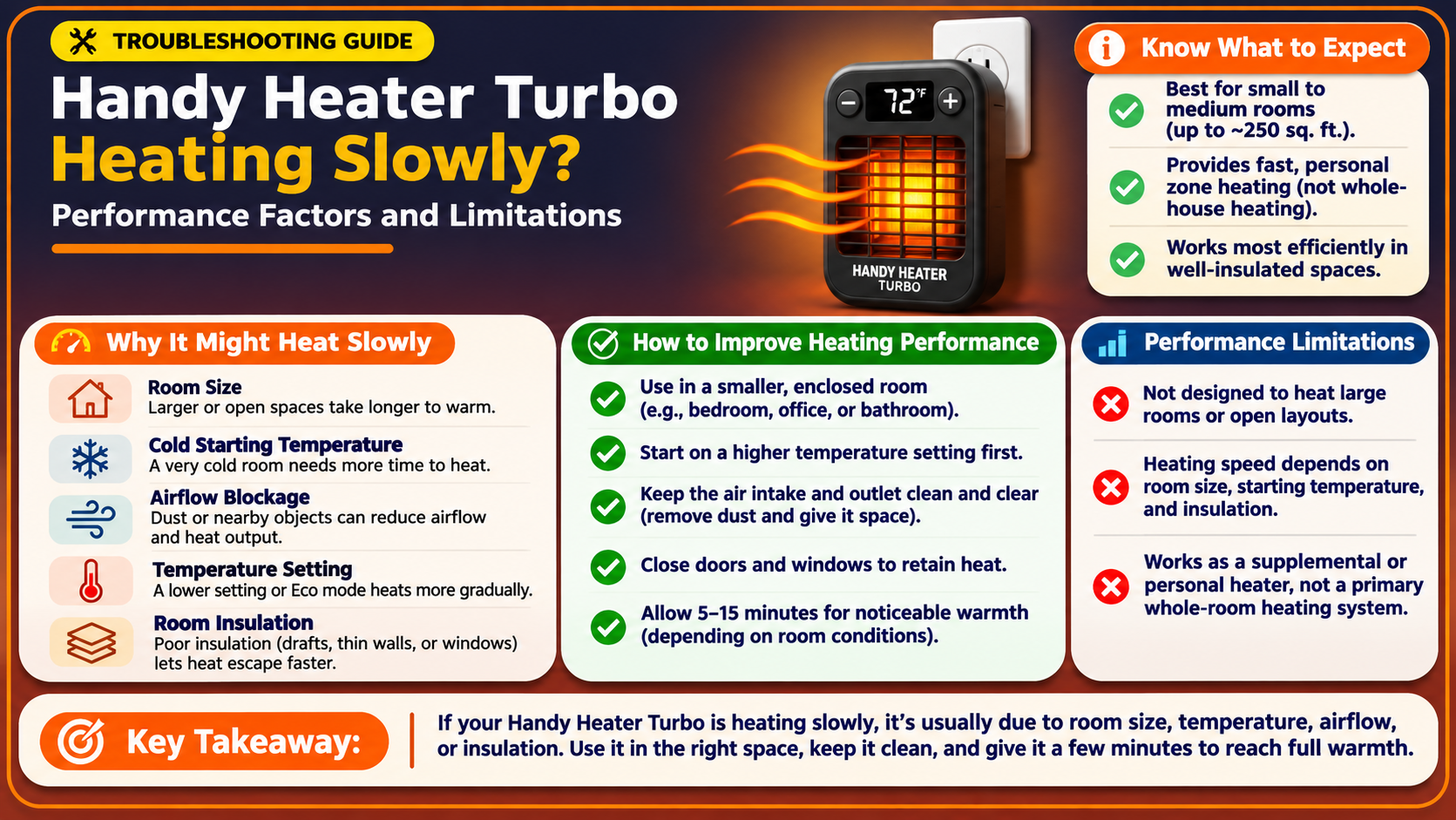
Retail listings rate the heater for rooms up to roughly 250 square feet, while some hardware retailers list a more conservative area of around 100 square feet. In real life, results depend on insulation, ceiling height, window quality, and outside temperature. A small bedroom, kid’s room, guest room, or dorm room is the ideal use case. A large, drafty master bedroom is not.

How Much Does It Cost to Run?
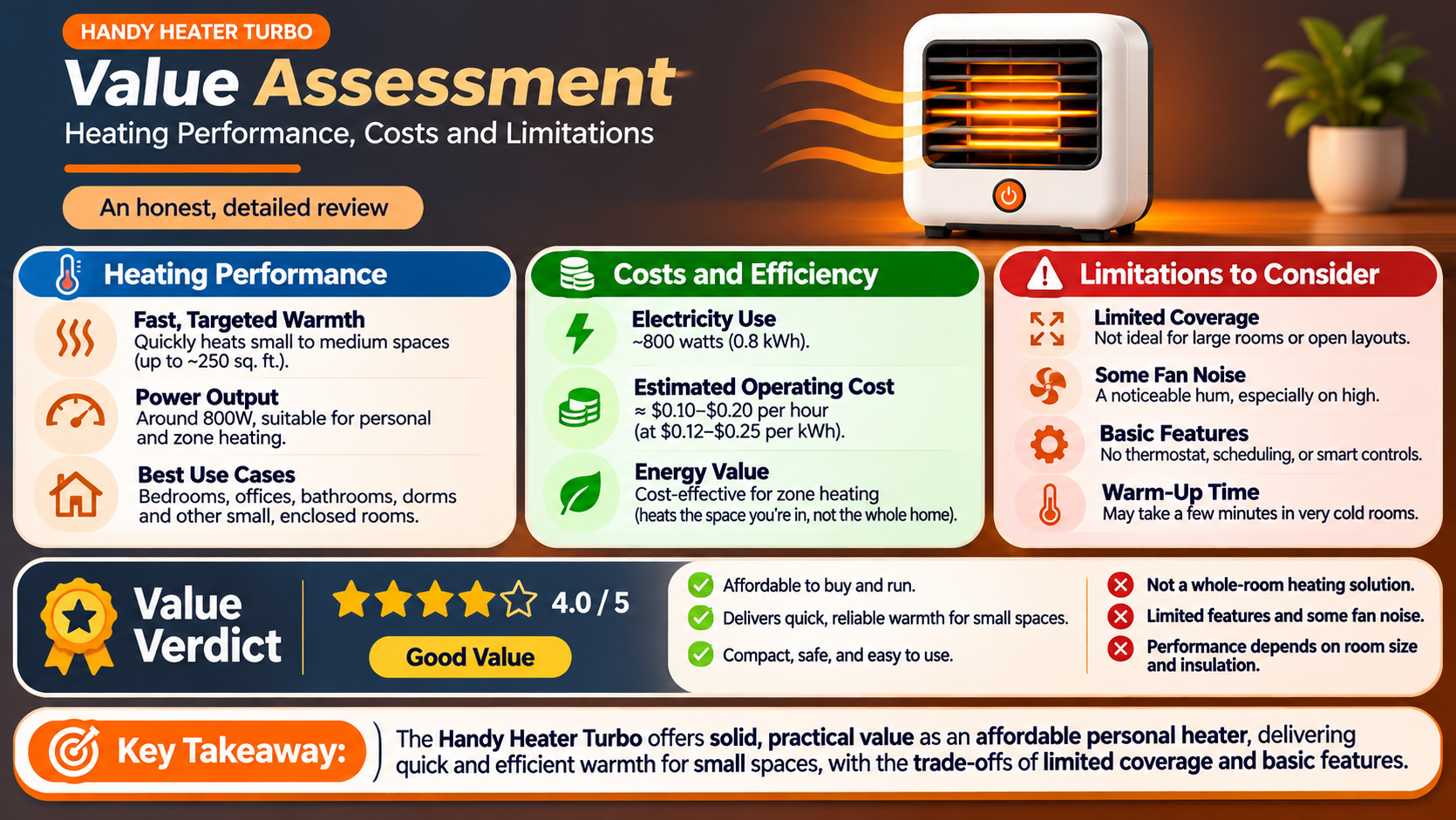
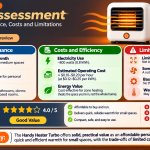
Electric heaters turn nearly all the electricity they use into heat, so the running cost is straightforward to estimate. An 800W heater running at full power uses 0.8 kilowatt-hours (kWh) every hour. Multiply that by your local electricity price to get the hourly cost.
- At an electricity price of $0.15 per kWh, one hour at full power costs about 12 cents.
- Four hours of full-power use costs roughly 48 cents.
- Because the thermostat cycles the heater on and off once the room reaches your target, real-world use is usually lower than the full-power figure.
That is cheaper per hour than a 1500W space heater, but remember that a smaller heater also heats less. The savings are real mainly when you heat only the room you are actually using instead of the whole house.
Pros and Cons
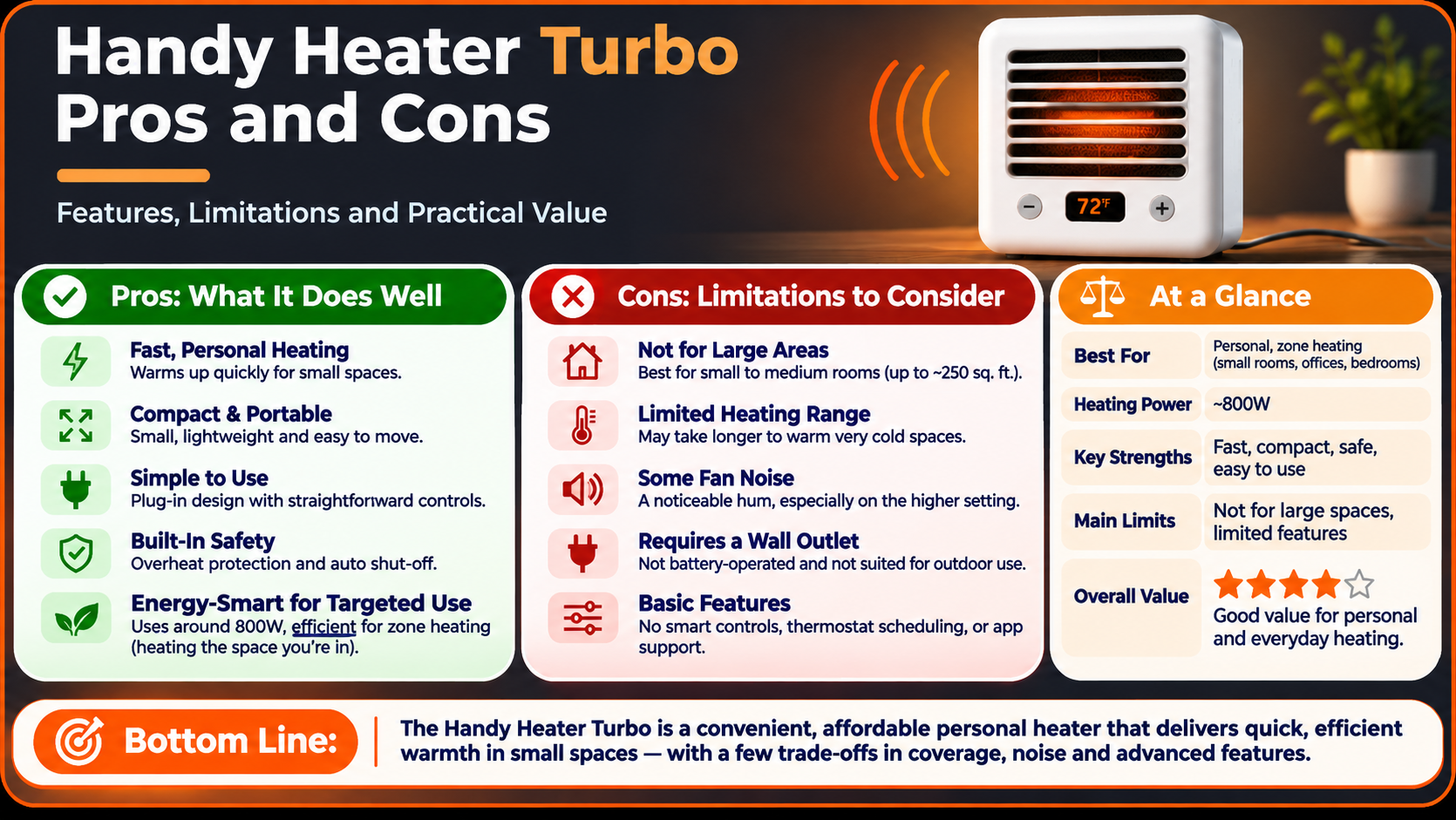
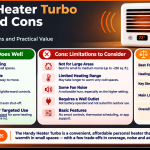
| Pros | Cons |
|---|---|
| Compact, wall-mounted design saves floor space | Only 800 watts, so it is not for large rooms |
| Quiet operation suits sleeping areas | Heats the area near the outlet fastest, not the whole room evenly |
| Adjustable thermostat and 12-hour timer | Blocks part of the outlet area; placement depends on your outlet layout |
| Auto shut-off and cool-touch housing | Not a replacement for central heating in very cold climates |
| Affordable, commonly priced around $20 to $32 in the US | Build quality is budget-level; check the warranty on your purchase |
Bedroom Safety: Read This Before You Plug It In
Any electric heater needs respect, and a bedroom adds extra risk because of bedding, curtains, and sleeping people. Follow these rules whichever model you choose.

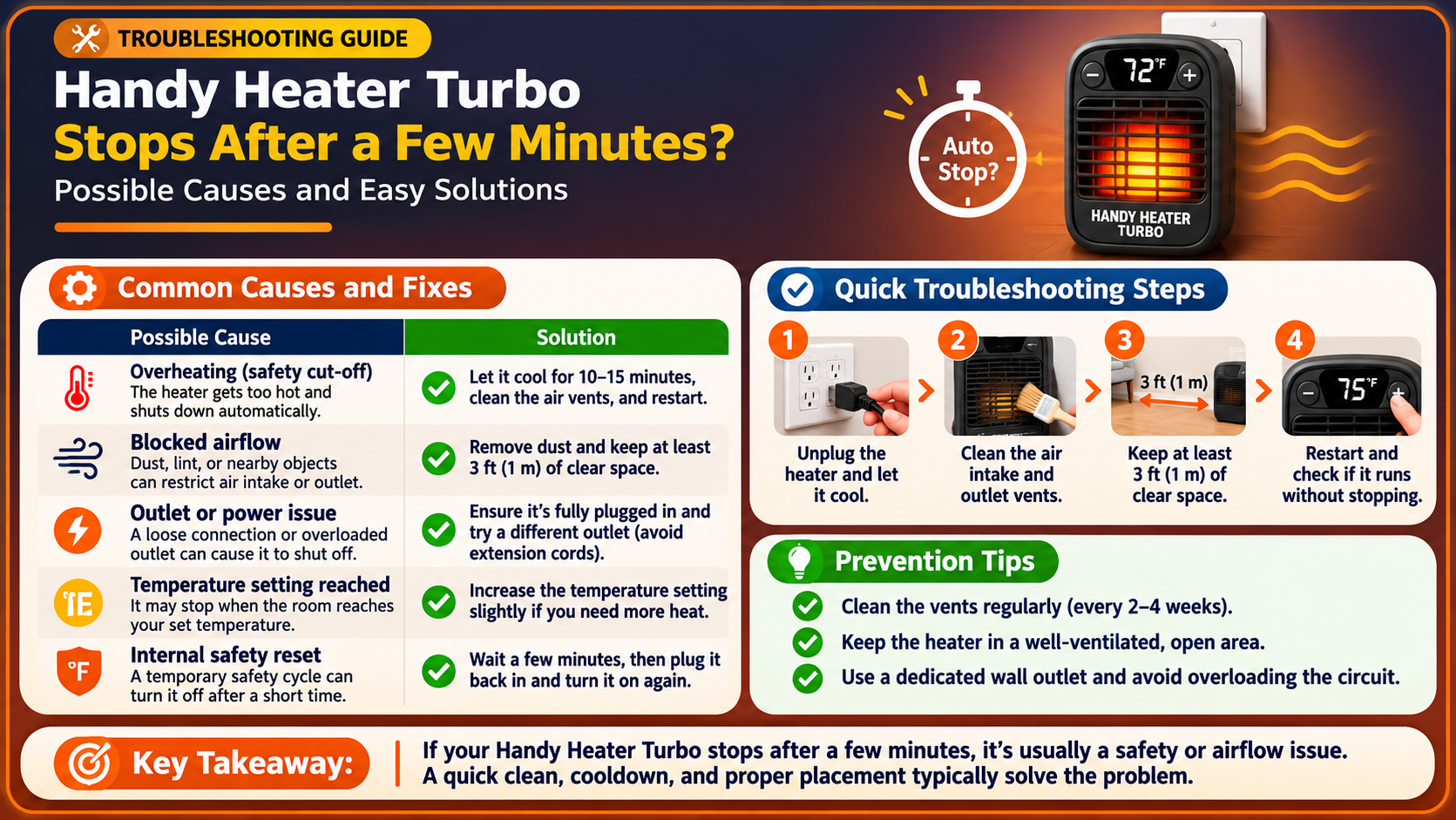
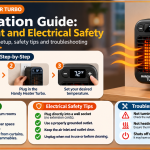
- Plug it directly into a wall outlet. Never use an extension cord or power strip with a heater. High-wattage devices can overheat them.
- Keep a clear zone. Keep bedding, curtains, clothes, and furniture at least three feet from the heater.
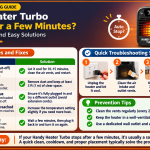
- Inspect the outlet. If the plug or outlet feels very hot, shows discoloration, or smells of burning, stop using it and have the outlet checked by an electrician.
- Do not leave it running unattended for long periods. Use the timer to limit run time.
- Use a working smoke alarm in the bedroom.
- Check certification. Retail listings differ on certification: some describe the unit as ETL Listed, and one hardware retailer lists it as not UL Listed. Look at the marks printed on the box and the unit you receive.
- Keep it away from children and pets who might poke objects into the vents.
Tips to Get the Best Results in a Bedroom
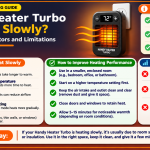
- Close the door and windows. A small closed room warms far faster than a room losing heat to a hallway.
- Use the timer to pre-heat. Set it to switch on 30 to 45 minutes before you go to bed.
- Seal drafts. A draft stopper under the door and heavy curtains make a bigger difference than a stronger heater.
- Pick the right outlet. Choose an outlet with open space around it, not one hidden behind a bed or sofa.
- Set a realistic temperature. Around 68°F to 72°F is comfortable for most people and keeps energy use down.
Who Should Buy the Handy Heater Turbo?
It is a good fit if you:
- Have a small to medium bedroom, guest room, or dorm room
- Want a quiet heater for sleeping hours
- Need to save floor space
- Only need a little extra warmth, not whole-room central heating
Look at other options if you:
- Have a large, poorly insulated, or very cold bedroom
- Need heat that spreads evenly across a big room
- Prefer a heater with a tip-over switch and a floor stand
- Live somewhere with temperatures far below freezing
Alternatives to Consider
- 1500W ceramic tower heaters: Stronger and better for larger bedrooms, but louder and larger.
- Oil-filled radiators: Silent and gentle, with steady heat, but slow to warm up and heavy.
- Heated blankets or mattress pads: Very efficient for warming just the bed.
- Mini plug-in heaters (around 400W): Even smaller and cheaper, but with less heating power.
Frequently Asked Questions
Can I leave the Handy Heater Turbo on all night?
It is safer not to. Use the timer to run it while you fall asleep or to pre-warm the room, and avoid leaving any heater running unattended for many hours.
How big a room can it heat?
Retail listings quote up to about 250 square feet, while some list roughly 100 square feet. Treat it as a small-room heater, and expect the best results in rooms below about 150 square feet with good insulation.
Does it dry out the air?
Marketing claims say the ceramic technology helps keep moisture in the air. In practice, any electric heater can make a room feel drier in winter, so a small humidifier can help if you notice dry skin or a dry throat.
Is it noisy?
It is designed to run quietly, which is a main selling point for bedrooms. You may notice a soft hum or a click when the thermostat switches on and off.
Can I use it with an extension cord?
No. Plug it directly into a wall outlet. Extension cords and power strips are a common cause of heater-related overheating.
How much does it cost?
Prices vary by retailer and region. In the US, it is commonly found at roughly $20 to $32, which makes it one of the cheaper heater options.
Final Verdict
The Handy Heater Turbo 800 is a handy, quiet, budget-friendly heater for small bedrooms. Its wall-outlet design, thermostat, and 12-hour timer make it practical for personal warmth, and its low price makes it easy to try. It will not replace a proper heating system in a big or very cold room, and you should always follow bedroom safety rules and check the certification marks on the unit you receive.
If you want a small, space-saving heater to take the chill off a compact bedroom, the Handy Heater Turbo is a sensible pick. For larger rooms, choose a higher-wattage heater instead.
Specifications and prices are based on retailer listings and may vary by seller, region, and model version. Always read the instructions and safety labels supplied with your heater.