
You switch on your Handy Heater Turbo on a chilly evening, sit down and wait for that cozy wave of warmth. Ten minutes pass. Then fifteen. The air around you feels only slightly less cold, and you start to wonder whether something is wrong with the unit. If this sounds familiar, you are far from alone. Slow heating is one of the most common concerns people raise about compact, low-wattage portable heaters.
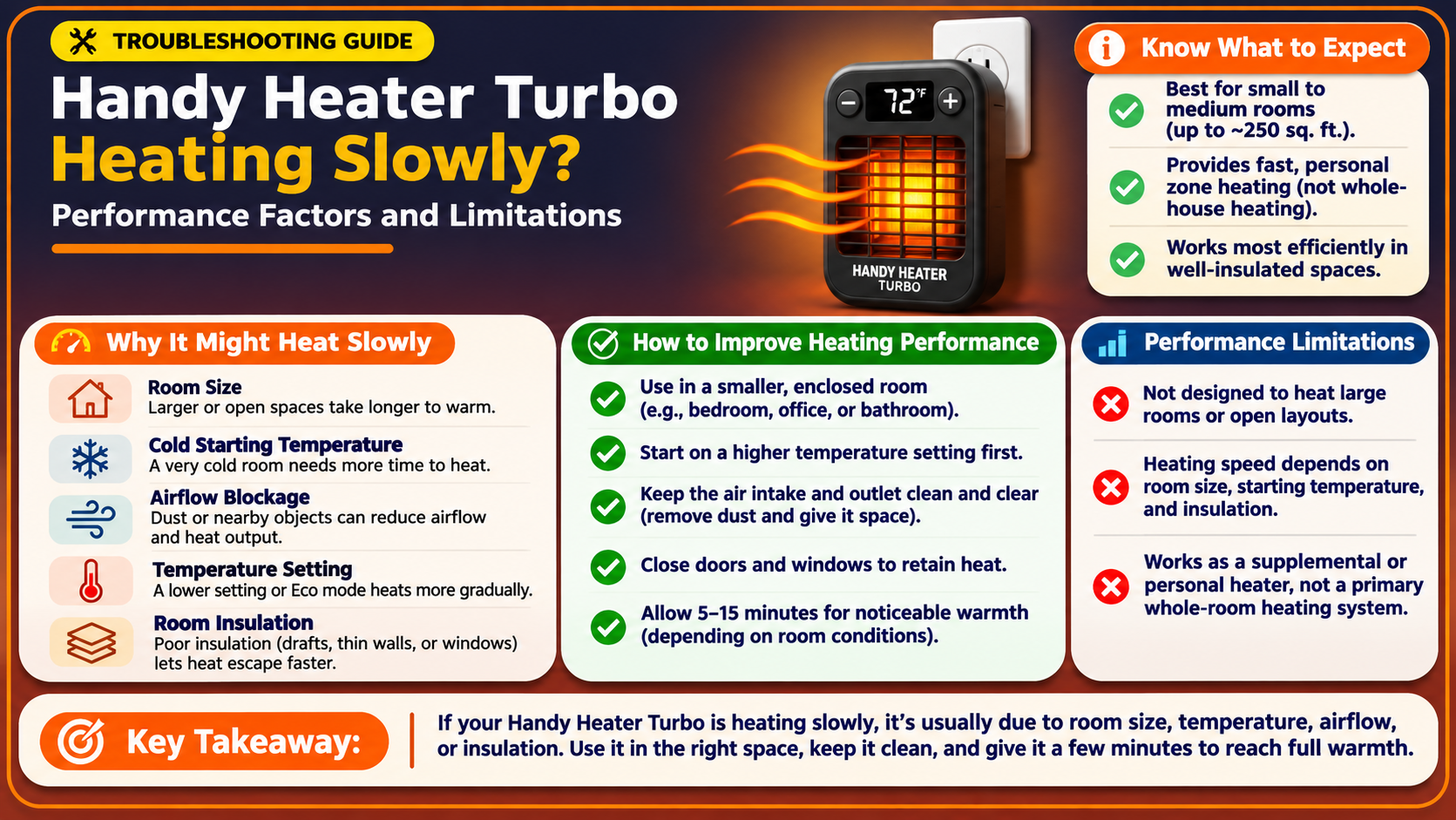
The good news is that in most cases the heater is not broken. Heating speed depends on a mix of physics, room conditions, placement and the electrical power available to the device. In this guide you will learn exactly what controls how fast a small heater warms a space, what the honest limitations of a compact heater are, and which simple steps can noticeably improve your experience.
Quick Summary: Why Is a Handy Heater Turbo Slow to Heat?
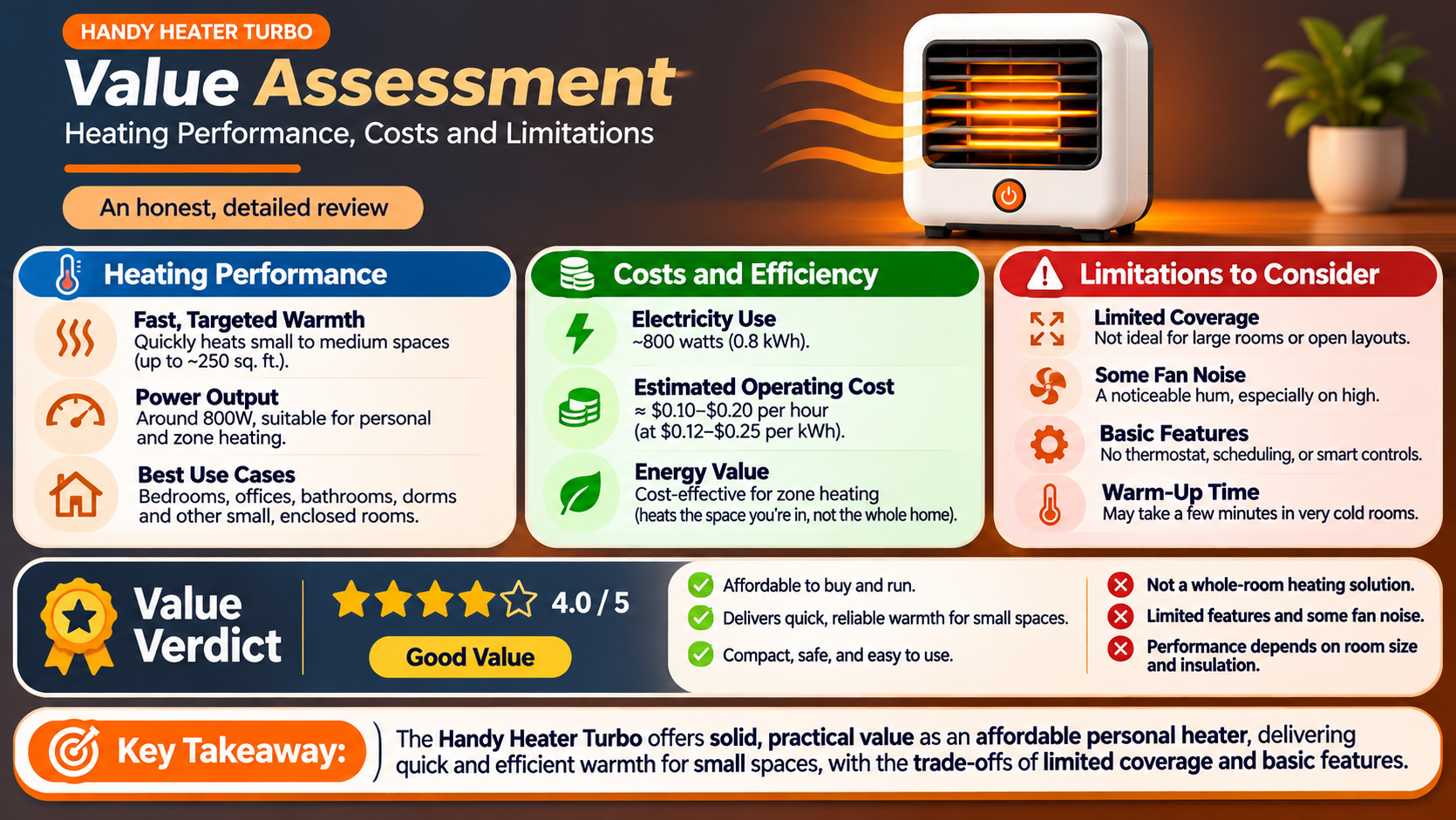
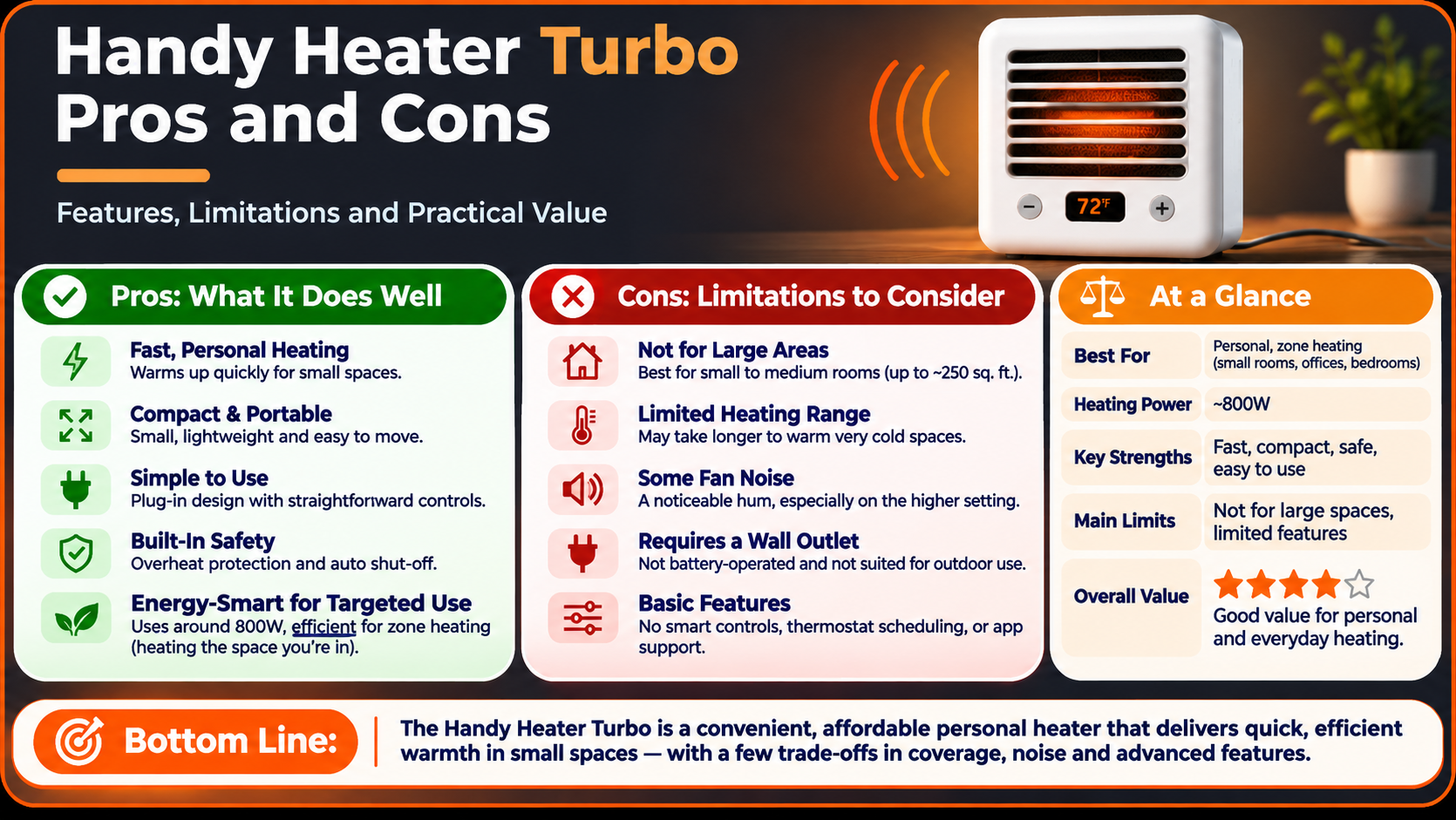
- It is a compact, low-wattage heater. Its maximum heat output is limited by design, so it is meant for personal or small-space warmth, not for heating an entire house.
- Room size and insulation matter more than most people expect. A drafty or large room can swallow the heat as fast as it is produced.
- Placement and airflow change how quickly you feel warm. Distance, obstacles and height all play a role.
- Dust, a poor power connection or a damaged unit can reduce performance. These are fixable or worth checking.
- Expectations should match the product category. A small heater is a spot-warming tool.
How a Compact Heater Actually Warms a Room
Most small portable heaters in this category use an electric heating element, often a ceramic type, together with a small fan. Electricity passes through the element, which heats up. The fan then pushes air across that hot surface and out into the room.
Here is the key point: every watt of electricity a heater uses is converted into roughly one watt of heat. Electric heaters are almost perfectly efficient at turning power into heat. That means two heaters with the same wattage deliver essentially the same amount of warmth, no matter what the marketing says. The only real difference between them is how that heat is distributed.
Because of this, the single most important number for heating speed is the heater’s rated wattage. You can find it on the product label, the box or the manual. A heater that draws a few hundred watts simply cannot produce the same amount of heat as one that draws 1,500 watts, regardless of how it looks or what it is called.
The 6 Main Performance Factors That Affect Heating Speed

1. Room Size
The bigger the room, the more air and surface area the heater has to work against. A small heater can make a tiny study or a corner of a bedroom feel comfortable, but the same unit in a large open living room may seem to do almost nothing. If you want faster results, use the heater in the smallest practical space and close the door.
2. Heater Wattage (Power Output)
As explained above, wattage is the ceiling for how much heat is possible. A widely used rule of thumb is that a room needs about 10 watts of heating power per square foot to be warmed effectively under average conditions. In poorly insulated rooms, you may need more.

Look at the chart again. Even a 100 sq ft room suggests about 1,000 watts for full-room comfort. If your heater uses well below that, it is not designed to heat the whole room. It is designed to take the edge off the chill in your immediate area.
3. Insulation and Drafts
Heat always flows from warm to cold. Single-pane windows, gaps under doors, uninsulated exterior walls and open vents all let warmth escape. In a drafty room, a small heater is constantly fighting a losing battle. Sealing gaps with draft stoppers, closing curtains and shutting doors can make a surprisingly big difference without changing the heater at all.
4. Starting Temperature of the Room
It is not just the air that needs to warm up. Walls, floors, furniture and curtains all absorb heat first. On a very cold morning, those surfaces start out chilly and take a long time to catch up. That is why a heater can feel slow at first and noticeably better after 20 to 30 minutes of running.
5. Placement and Airflow
Where you put the heater strongly affects how fast you feel warm. Keep it relatively close to where you sit, with a clear path for the warm air to reach you. Curtains, sofas, desks and other objects in front of the unit block airflow and reduce the warming effect. Never place a heater so close to anything that it creates a fire risk, and always follow the safety clearances listed in the product manual.

6. Power Supply Quality
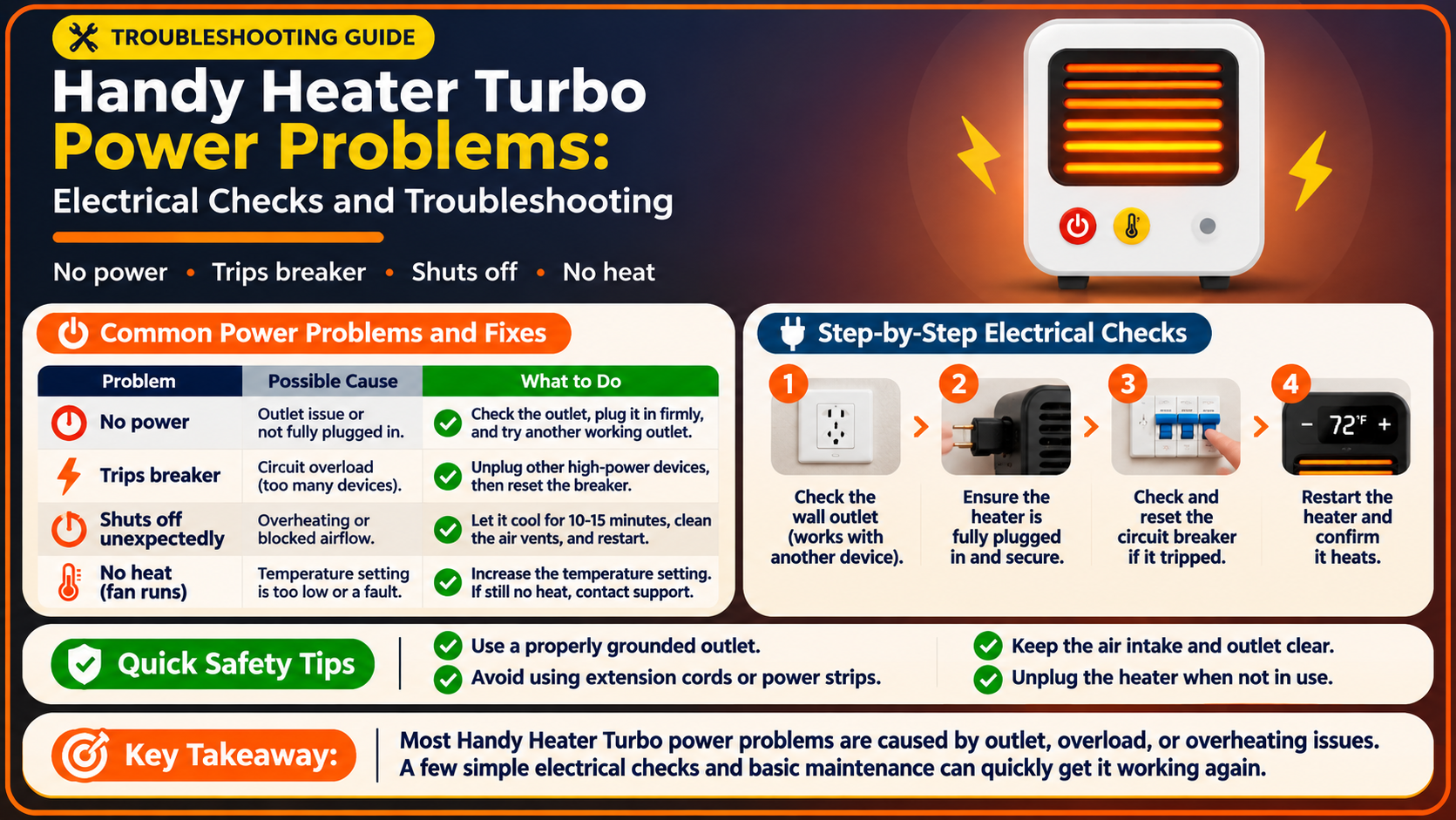
Heaters are high-draw appliances, and they depend on a solid electrical connection. Plugging into a worn outlet, a power strip or a long, thin extension cord can cause voltage drop, loose contact and heat buildup at the plug. This can reduce performance and, more importantly, create a safety hazard. As a general rule, plug heaters directly into a wall outlet unless the manufacturer explicitly says otherwise.
What Warm-Up Time Really Looks Like
People often expect instant results. In reality, even a very good heater takes time, and a low-wattage one takes longer. The chart below shows an illustrative example of how air temperature near you might rise over the first hour in three different situations.

Notice how the green line, representing a small, well-sealed room, reaches a comfortable level quite quickly. The red line, representing a large or drafty room, barely climbs at all. The heater is the same in all three cases. Only the room changes. This is the single best explanation for why two people can have completely different experiences with the same product.
Honest Limitations of a Compact Heater
To be a smart buyer and user, it helps to understand what small heaters can and cannot do. Here are the realistic limitations:
- Limited heating capacity. A compact heater with modest wattage cannot warm a large room, an open-plan area or a space with high ceilings.
- Best for personal or spot heating. It works best when you are close to it, such as at a desk, a bedside or a small bathroom.
- Slow in very cold conditions. When the room is near freezing, expect a longer wait.
- Not a replacement for central heating. Think of it as a supplement that can help you lower the thermostat slightly, not as a full substitute.
- Performance depends on the environment. Drafts, open doors and poor insulation will reduce the effect significantly.
- Running costs can still add up. Because electricity converts directly to heat, using a heater for many hours daily will show up on your power bill, even for a low-wattage unit.
Understanding these limits prevents disappointment. If the product is being used within its intended purpose, such as warming a small area around you, it will usually feel far more satisfying.
Could Something Be Wrong With the Heater?
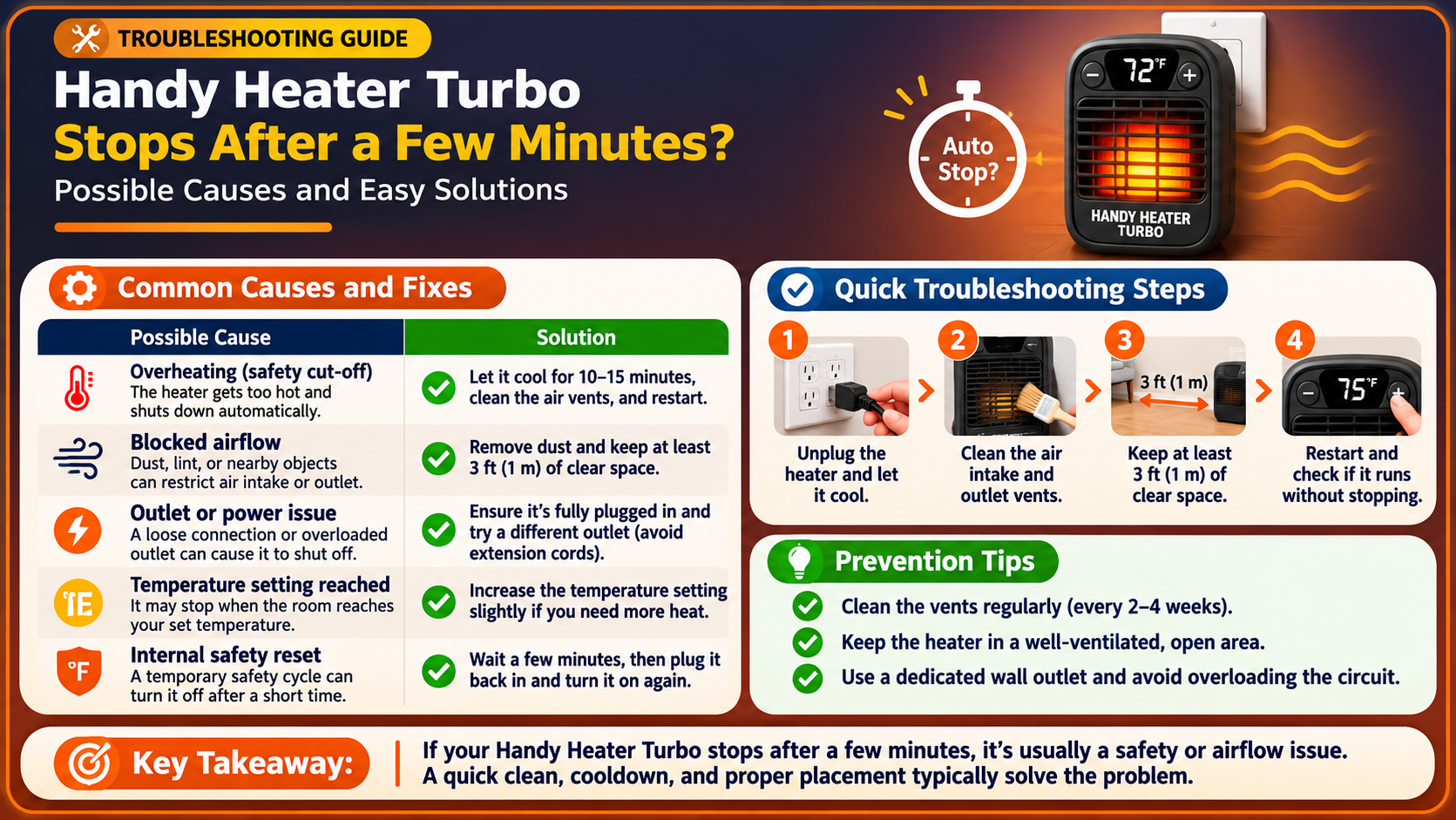
Sometimes slow heating really is a sign of a problem. Check these possibilities before concluding that the unit is simply underpowered:
Dust and Lint Buildup
Dust collects on the intake vents, the fan and the heating element over time. A clogged heater cannot move air properly, so less warm air reaches you, and the unit may also run hotter internally. Always unplug the heater and let it cool completely before cleaning. Gently remove surface dust with a soft brush or a vacuum with a brush attachment. Do not use water on the electrical parts.
A Weak or Faulty Fan
If the fan is spinning slowly, rattling or not spinning at all, warm air will not be distributed well. This can make the heater seem much weaker than it is. A fan that does not run is a sign the unit should be inspected or replaced rather than used.
Outlet or Cord Problems
A loose plug, a discolored outlet or a plug that feels hot are warning signs. Stop using the heater immediately if you notice any of these. Poor contact can reduce the power the heater receives and can be dangerous.
Built-In Safety Cut-Offs
Many heaters include a thermal protection feature that reduces or cuts power when the unit gets too hot. If vents are blocked or dust has built up, this protection may activate and make the heater seem weak or inconsistent. Clearing the obstruction usually restores normal behavior.
A Defective Unit
If the heater produces almost no warmth even at close range, never seems to get warm to the touch at the grille, or has been giving off strange smells or sounds, it may be defective. Stop using it and contact the seller or manufacturer about a replacement or refund.
10 Practical Ways to Get Better Performance
- Use it in a small, closed space. Shut the door and keep the heater to one room.
- Seal drafts. Use draft stoppers or a rolled towel at the bottom of doors.
- Close curtains at dusk. Thick curtains reduce heat loss through windows.
- Place the heater close to you. Keep it within a comfortable and safe distance with nothing in front of it.
- Plug it directly into the wall. Avoid power strips and thin extension cords.
- Clean the vents regularly. Make this a monthly habit during heavy use.
- Give it time. Allow 10 to 15 minutes, or longer in a very cold room.
- Warm yourself, not the whole room. Combine the heater with a blanket, warm clothing or a rug for faster comfort.
- Raise the starting temperature. Running your main heating briefly beforehand reduces the work the small heater has to do.
- Match the heater to the space. If your room is large, consider a higher-wattage heater designed for that size.

Safety Reminders You Should Never Skip
Whenever you try to get more heat from a portable heater, safety must come first. Never try to “boost” the heater by covering it, placing it on soft surfaces or pushing it against furniture. Keep it away from curtains, bedding, paper and anything flammable. Never leave a heater running unattended in a place where it could be knocked over, and avoid using it while you sleep unless the manual specifically allows it and the unit has the proper safety features. Keep children and pets away from the grille, and stop use immediately if you notice a burning smell, sparks, smoke or a damaged cord.
Who Is This Type of Heater Best For?
A compact heater is a good match if you:
- Need a little extra warmth at a desk, a reading corner or a small home office.
- Want to warm a small bathroom or a tiny bedroom for a short time.
- Have decent insulation and a closed room.
- Want a portable, easy-to-store option for occasional use.
It may not be the right choice if you need to heat a large living area, a basement, a garage or a room with poor insulation. In those cases, a higher-wattage heater, an oil-filled radiator or improvements to the room’s insulation will likely serve you far better.
Frequently Asked Questions
Why does my Handy Heater Turbo take so long to warm the room?
Most often it comes down to the heater’s limited wattage combined with the size and insulation of the room. A compact heater is designed to warm the area near it, not a whole space. Drafts, cold walls and poor placement slow the process even further.
How long should a small heater take to feel warm?
You may notice warmth close to the heater within a few minutes, but a noticeable change in the overall room can take 15 to 30 minutes or more, depending on room size, insulation and the starting temperature.
Does a higher setting or “turbo” mode heat faster?
Only if the heater actually draws more power on that setting. Heat output is tied to wattage. If a mode changes the fan speed rather than the power draw, it may change how the warmth feels, but it will not increase the total amount of heat produced.
Can I use an extension cord to place it closer to me?
It is best to avoid it. Heaters draw a lot of current, and an unsuitable extension cord can overheat. Whenever possible, plug directly into a wall outlet and move the heater’s position instead.
Is slow heating a sign that the heater is broken?
Not necessarily. Test it in a small, closed room at close range. If you feel warm air coming out within a few minutes, the unit is probably working as designed. If there is no warmth at all, or you notice unusual smells, sounds or a hot plug, stop using it and seek a replacement or repair.
Will a small heater lower my heating bill?
It can, if you use it to warm only the space you are in while turning down your main heating. However, since electric heaters convert power directly into heat, running one for many hours can still be costly. Use it thoughtfully and only where you need it.
Final Thoughts
If your Handy Heater Turbo seems to heat slowly, the cause is usually a combination of its modest power output, your room’s size and insulation, and how and where you use it. By understanding the real performance factors and limitations, you can set sensible expectations, fix the things that are within your control and get the most comfort from every watt.
Seal the drafts, close the door, place the heater close to you, keep the vents clean and give it a little time. Do those things, and a compact heater can be a handy source of personal warmth on cold days. If it still performs poorly or shows any warning sign, prioritize safety and look into a replacement or a more powerful heater that suits the size of your space.