
Disclosure: This article is for general information. Always follow the instruction manual that came with your own unit, because models and safety details can differ.
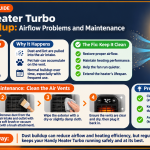
A portable heater like the Handy Heater Turbo is one of the easiest ways to take the chill off a room. But it works hard, and it pulls in air, dust and pet hair every time it runs. Without regular cleaning, that buildup can reduce heating performance, create odd smells and, in the worst case, become a safety risk. The good news is that proper care takes only a few minutes and a handful of basic supplies.
This guide explains how to clean and maintain your Handy Heater Turbo safely, how often to do it, what to avoid and how to store it between seasons.
Why Cleaning and Maintenance Matter
Every electric space heater draws room air across a heating element. Over time, dust settles on the grills, the fan area and the element itself. Here is why regular care is worth your time:
- Safety: Dust and lint near a hot element can scorch and cause a burning smell. Keeping vents clear helps the heater run as designed.
- Better heating: Clear airflow means the warm air reaches you faster and more evenly.
- Lower energy waste: A heater that struggles to move air runs longer to reach the same temperature.
- Longer lifespan: Less strain on the fan and internal parts helps the unit last more seasons.
- Cleaner air: A dusty heater can blow that dust back into your room, which is unpleasant for people with allergies.
What You Need Before You Start
You do not need special tools. Gather these items first:
- A soft, dry microfiber cloth
- A slightly damp (well wrung out) cloth for the outer housing
- A soft brush, such as a clean paintbrush or makeup brush
- A vacuum cleaner with a brush or crevice attachment
- Cotton swabs for tight corners
- Your heater's instruction manual
Safety Rules to Follow Every Time
Before any cleaning, remember these essentials:
- Switch off and unplug the heater. Never clean it while it is connected to power.
- Let it cool completely. Wait at least 30 minutes after use. The grills and housing stay hot for a while.
- Keep all liquids out of the vents. Water inside the unit can damage electrical parts and cause a shock hazard.
- Never submerge the heater in water or rinse it under a tap.
- Do not open or disassemble the unit unless the manual specifically allows it. Opening it may void the warranty and is unsafe without training.
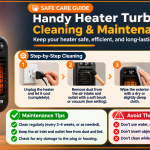
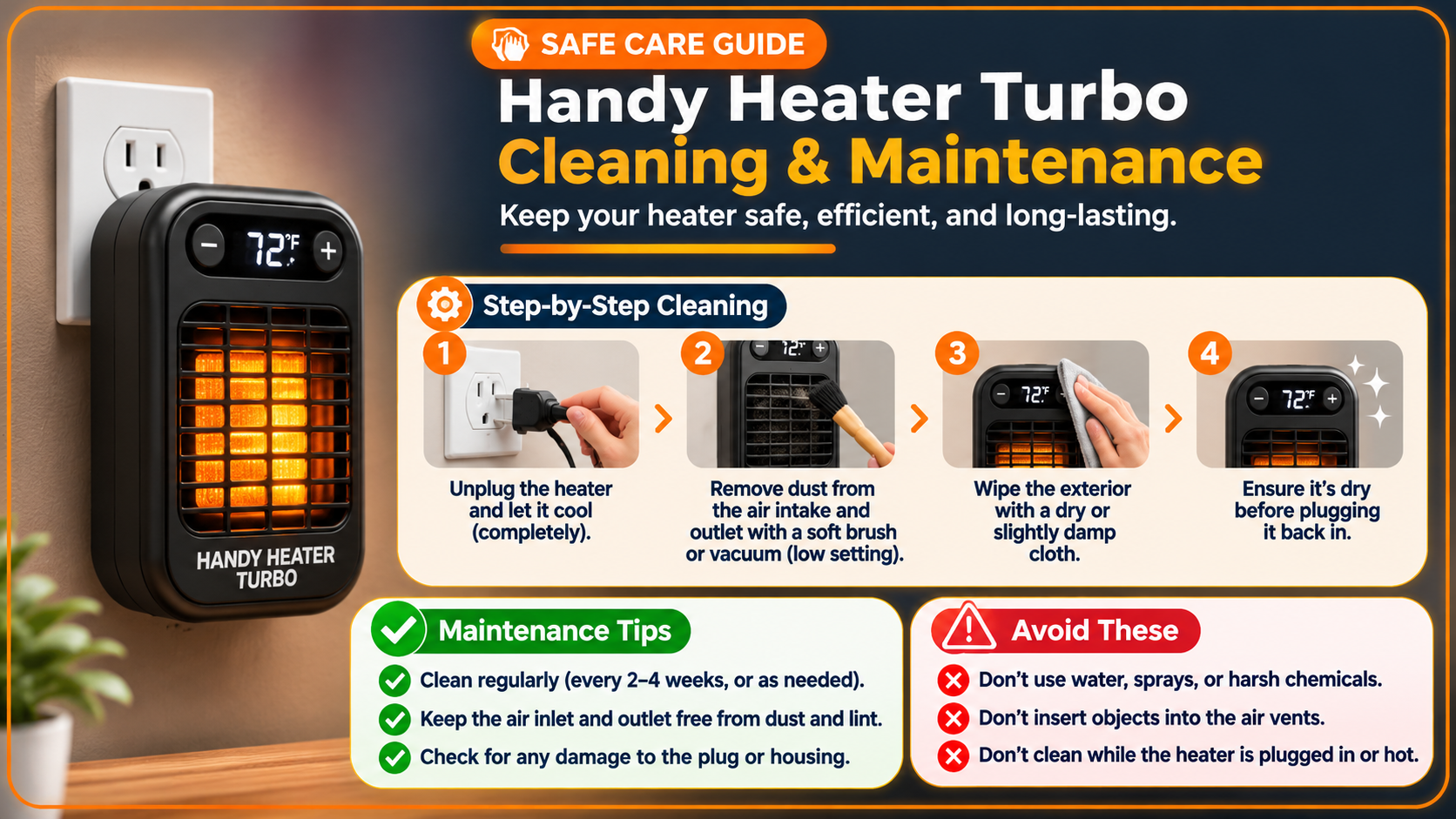
Step-by-Step: How to Clean Your Handy Heater Turbo
Step 1: Unplug and Let It Cool
Turn the heater off, pull the plug from the wall and set it on a flat, dry surface. Give it at least half an hour to cool down.
Step 2: Remove Dust from the Grills and Vents
Use the soft brush to loosen dust from the front grill and rear air intake. Then run the vacuum with a brush attachment over the same areas to lift the loosened dust away. Work gently, since the grill and internal parts can bend if you press too hard. A cotton swab helps in narrow slots.
Step 3: Wipe the Outer Housing
Dampen a cloth with plain water and wring it out until it is barely moist. Wipe the plastic body, handle and control panel. For stubborn marks, add a tiny drop of mild dish soap to the cloth, then wipe again with a clean damp cloth. Avoid harsh chemicals, solvents, abrasive pads and aerosol sprays, which can damage the plastic or leave flammable residue.
Step 4: Inspect the Cord, Plug and Controls
Look over the whole power cord for cuts, cracks, kinks or exposed wire. Check the plug for discoloration, bent pins or a loose fit. Make sure the switches and dials move freely. If you notice any damage, stop using the heater and contact the manufacturer or a qualified technician.
Step 5: Dry Completely and Test
Wipe every surface with a dry microfiber cloth and let the unit air dry for a few minutes. Place it on a hard, level floor, plug it directly into a wall outlet and run it on a low setting. Listen for unusual rattling and watch for any smell that does not fade quickly.
How Often Should You Clean It?
A simple schedule keeps things easy. If you have pets, smoke indoors or live in a dusty area, clean more often.
Daily Safe-Use Habits
Good habits matter as much as cleaning:
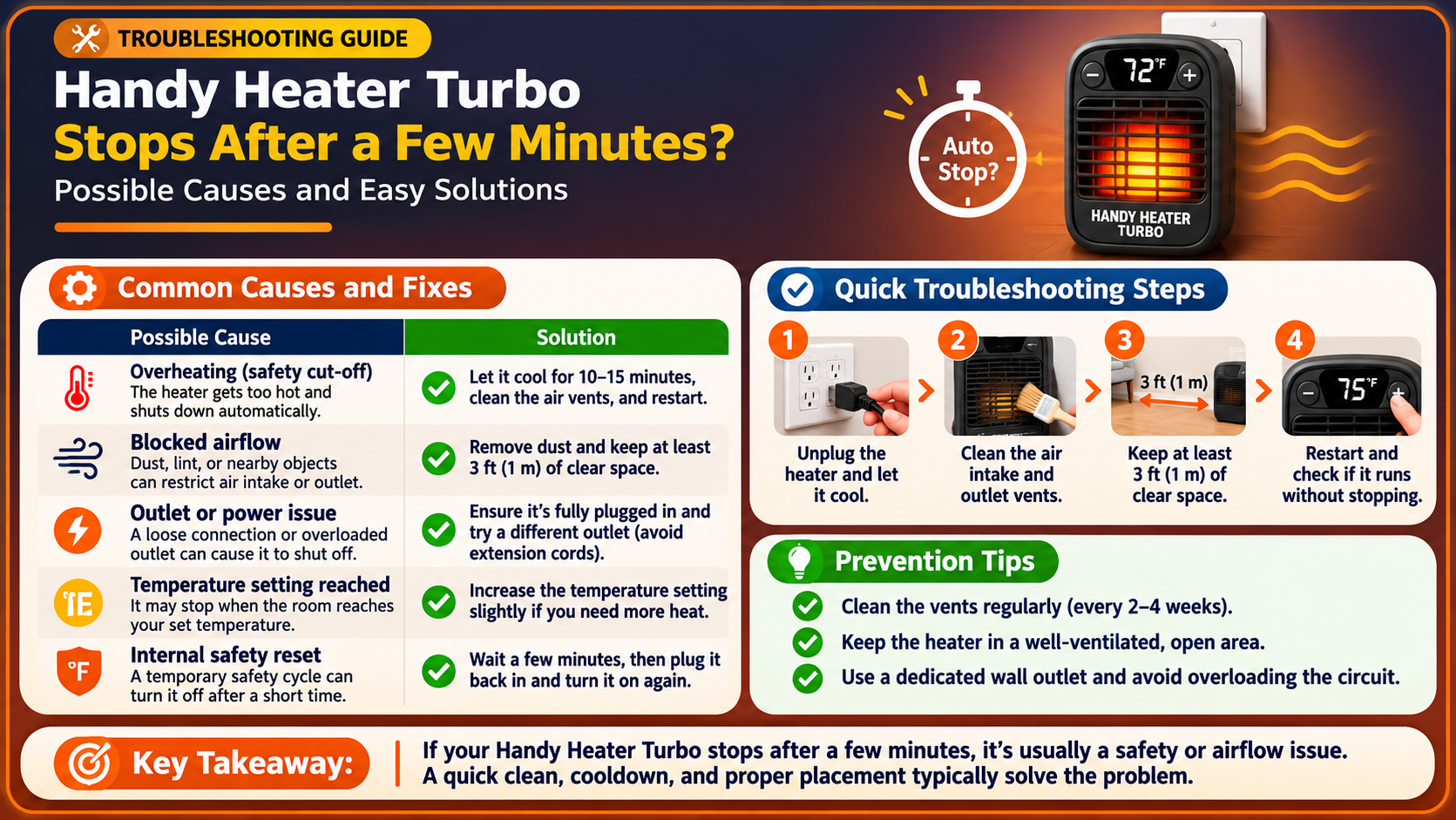
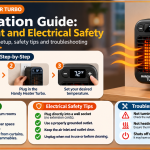
- Keep a clear zone. Leave at least three feet (about one meter) of open space around the heater. Keep curtains, bedding, clothes, paper and furniture away.
- Use a wall outlet. Avoid extension cords and power strips, because heaters draw a lot of current.
- Place it on a flat, stable floor. Never put it on a bed, sofa, carpet pile that blocks the base or any unstable surface.
- Never leave it unattended. Turn it off when you leave the room or go to sleep, unless your manual confirms an approved auto-shutoff feature, and even then, use common sense.
- Do not cover it. Never dry clothes or towels on or near it.
- Keep it dry. Do not use it in bathrooms or damp spaces unless it is specifically rated for that.
- Watch children and pets. Place it where they cannot touch or knock it over.
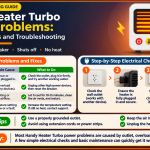
Troubleshooting Common Problems
Burning or Dusty Smell
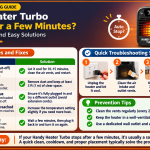
A light dusty smell on first use after storage is common and usually fades in a few minutes. If it persists or smells like burning plastic, turn it off, unplug it and clean it again. If the smell returns, stop using it.
Weak Heat Output
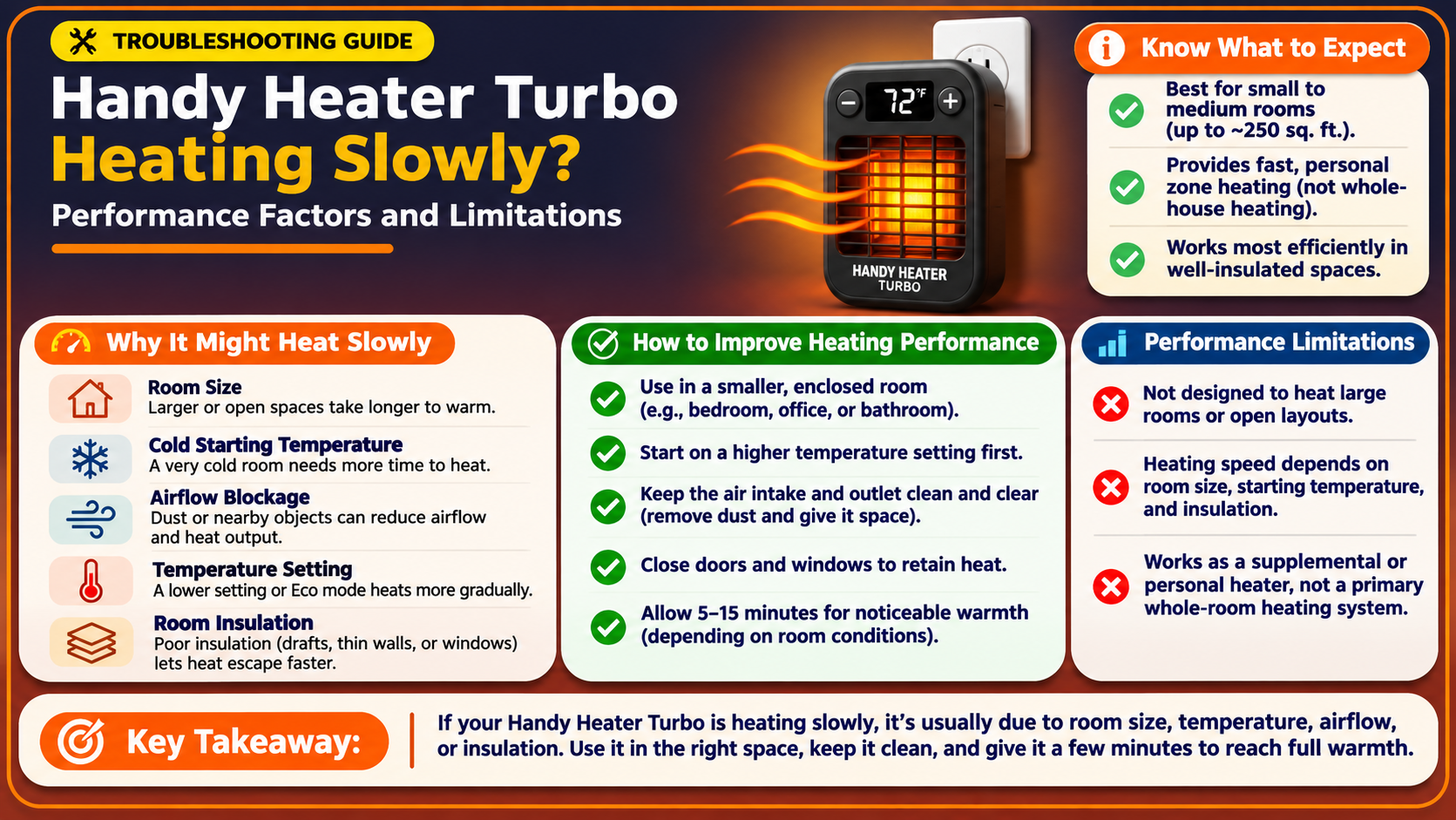
Blocked vents are the most common cause. Clean the grills and intake, and make sure nothing blocks airflow. Also confirm the thermostat or temperature setting is high enough.
Unusual Noise
Rattling or humming may come from dust on the fan or a loose housing. Clean the vents first. If the noise continues, it is time for a professional check.
Heater Shuts Off by Itself
Many heaters have an overheat protection feature. It can trigger when vents are blocked. Unplug the unit, let it cool, clean the vents and try again. If it keeps happening, do not keep resetting it.
End-of-Season Storage Tips
- Do a complete cleaning following the five steps above.
- Make sure the unit is fully dry.
- Loosely coil the cord. Do not wrap it tightly around the body, as this can stress the wires.
- Store it in its original box or a clean bag to keep dust out.
- Keep it in a cool, dry place away from moisture, chemicals and heavy objects.
When to Stop Using Your Heater
Contact the manufacturer, a qualified repair service or consider replacement if you notice any of these signs:
- A damaged or overheating cord or plug
- Sparks, smoke or a persistent burning smell
- Cracks in the housing
- Controls that do not respond
- Repeated automatic shut-offs even after cleaning
Frequently Asked Questions
Can I wash my Handy Heater Turbo with water?
No. Never submerge it or pour water on it. Use only a slightly damp cloth on the outer housing and keep moisture out of the vents.
Can I use compressed air to clean it?
Short bursts from a distance can help remove dust from the grills, but vacuuming is usually gentler and keeps dust from spreading into your room. Always unplug the heater first.
How do I know if it needs cleaning?
Visible dust on the grills, reduced warmth, a dusty smell or louder fan noise are all signs it is due for a clean.
Is it safe to leave the heater on all night?
Most manufacturers and fire-safety organizations advise against running portable heaters while you sleep or when nobody is in the room. Check your manual and play it safe.
Can I repair the heater myself?
Internal repairs should be left to qualified technicians. Do-it-yourself fixes can be dangerous and may void your warranty.
Final Thoughts
Caring for your Handy Heater Turbo does not take much effort. A short routine of unplugging, dusting, wiping and inspecting keeps it running efficiently, helps protect your home and extends the life of the heater. Pair regular cleaning with smart daily habits like keeping a clear zone and using a wall outlet, and you can enjoy dependable warmth all winter long. When in doubt, check the manufacturer's manual first, and never take chances with damaged equipment.