Room Heater Safety Tips: 12 Essential Rules to Keep Your Home Safe This Winter

Disclosure: This article may contain affiliate content. We may earn a small commission on qualifying purchases at no extra cost to you.
When temperatures drop, a room heater feels like a lifesaver. But used carelessly, it can also become one of the biggest fire and burn hazards in your home. Heating equipment is a leading cause of home fires every winter, and most of these accidents are completely preventable. In this guide you will learn the most important room heater safety tips, how to choose a safe heater, and what to do if something goes wrong.
Why Room Heater Safety Matters
A room heater converts a lot of electrical power into heat in a small space. If it is placed too close to flammable items, knocked over, overloaded on a weak cable or left unattended, the result can be fire, burns, electric shock or, with fuel-burning models, carbon monoxide poisoning. A few simple habits remove most of that risk.
Common Types of Room Heaters and Their Safety Profile
| Type | What to know |
|---|---|
| Fan heaters | Fast and compact, ideal for small rooms. Choose models with a tip-over switch. |
| Oil-filled radiators | Slow to warm up but gentle, quiet and generally safer because surface heat is lower. |
| Ceramic heaters | Efficient with good thermostat control, often with cool-touch bodies. |
| Infrared / radiant heaters | Warm people directly and need extra clearance from objects. |
| Halogen / quartz heaters | Very hot elements. Place well away from fabrics and children. |
12 Room Heater Safety Tips You Should Follow

1. Read the manual first
Every model is different. The manual tells you the right placement, power rating and cleaning method for your heater.
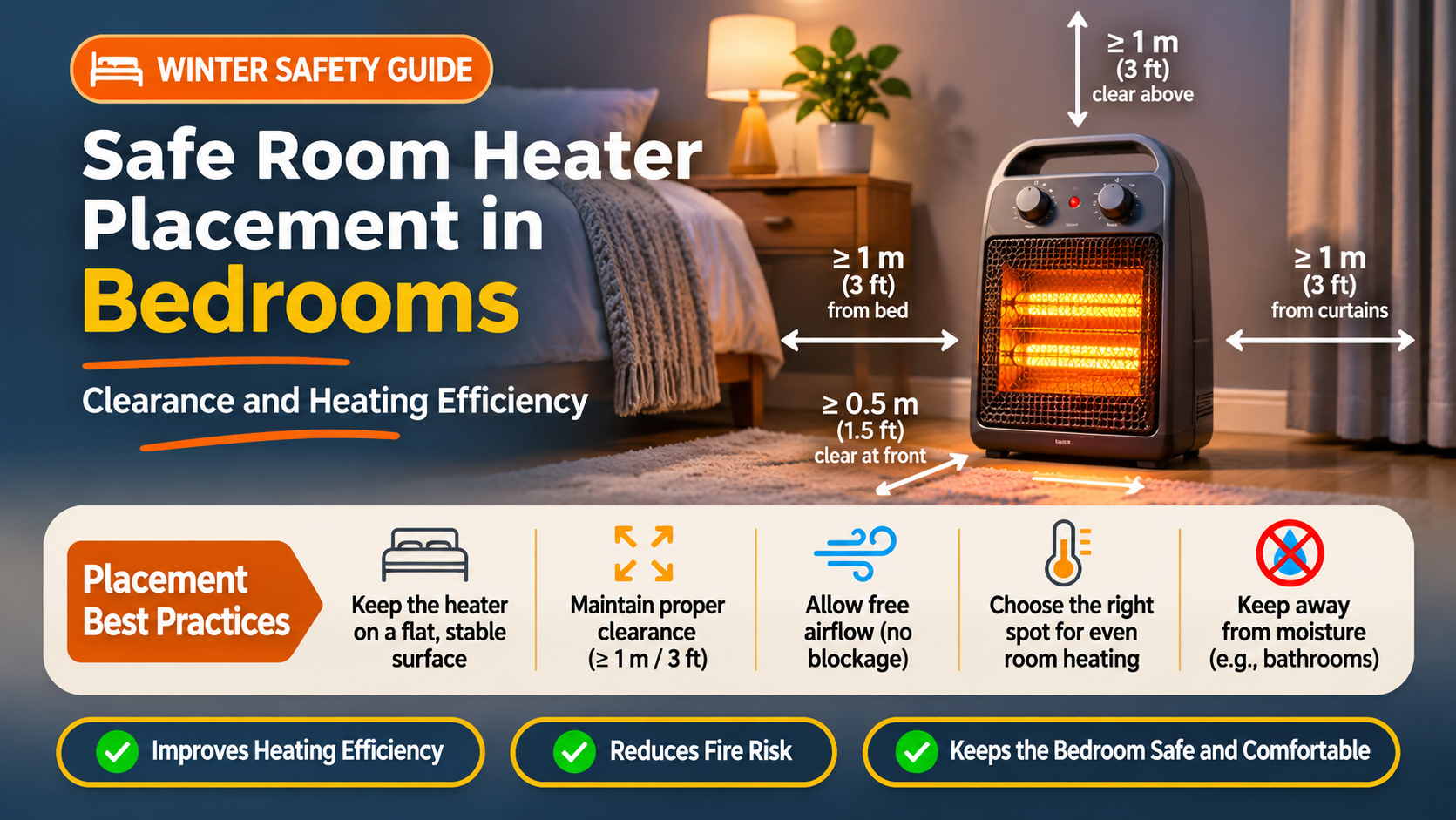
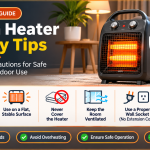
2. Keep a 3-foot clear zone
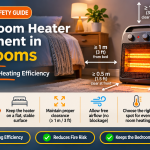
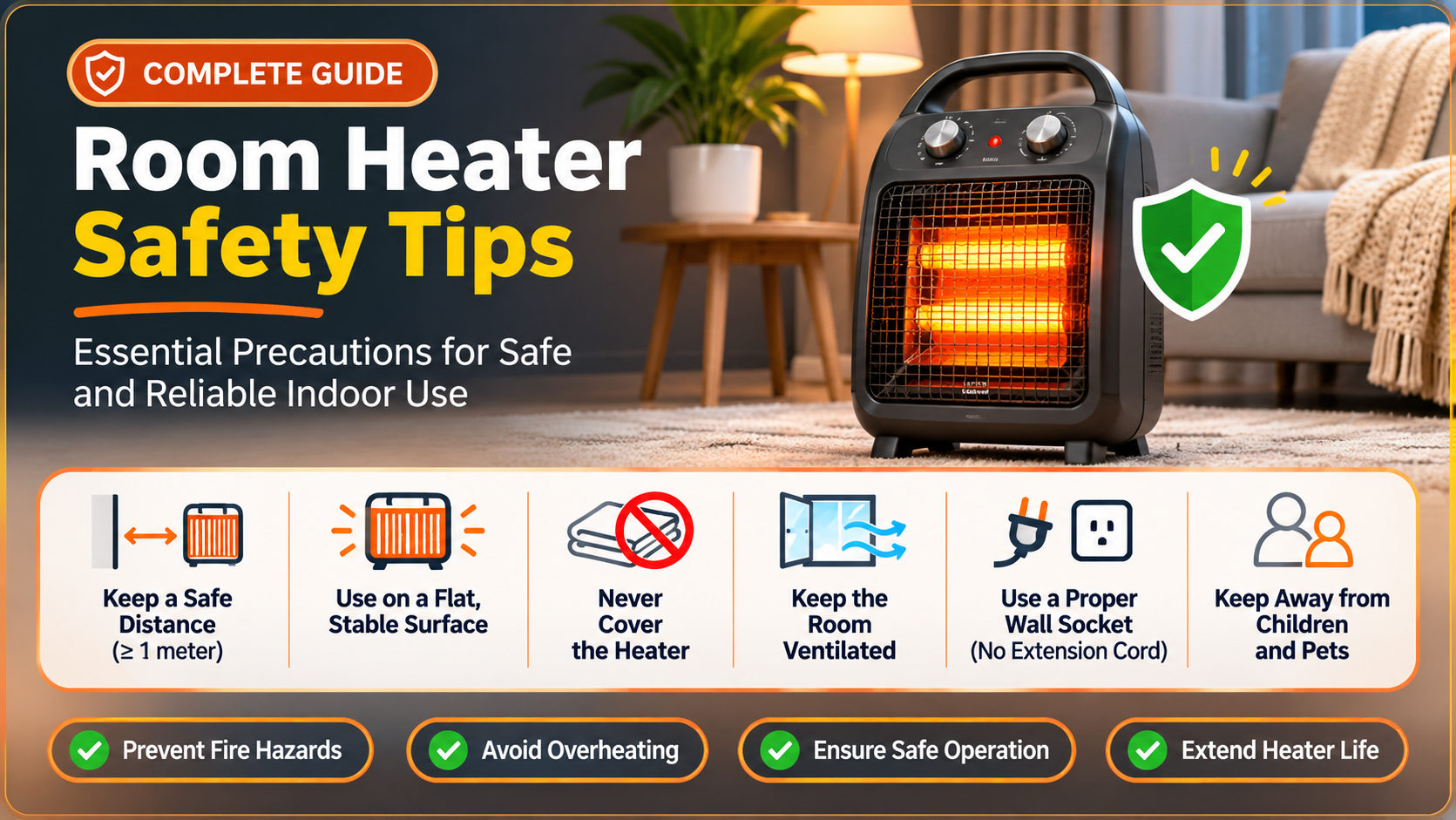
Curtains, bedding, clothes, paper and furniture can ignite from radiant heat. Keep everything at least 3 feet (1 metre) away on all sides.
3. Place it on a flat, stable surface
Always use the floor or a sturdy level surface. Never put a heater on a bed, sofa, carpet pile or a wobbly table.
4. Plug directly into the wall
Avoid extension cords and power strips. High-wattage heaters can overheat thin cables. If you must use one, choose a heavy-duty cord rated for the heater’s wattage.
5. Never leave it running unattended
Switch it off when you leave the room, go out or go to sleep. Most heater fires happen when nobody is watching.
6. Never dry clothes on a heater
Towels and clothes block airflow and can catch fire or cause the heater to overheat.
7. Keep children and pets away
Use a cool-touch model and set a safe boundary. Teach kids that a heater is not a toy.
8. Do not use in damp areas
Water and electricity are a dangerous mix. Use only heaters specifically rated for bathrooms in wet areas, and keep them away from sinks and tubs.
9. Inspect the cord and plug regularly
A warm plug, frayed wire, burning smell or flickering power means stop using it immediately and get it checked or replaced.
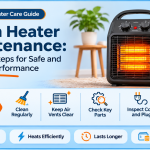
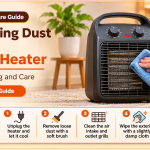
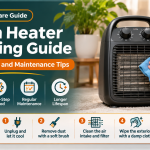
10. Clean it regularly
Unplug and let it cool, then gently remove dust from vents and grills. Dust build-up is a common cause of burning smells and overheating.
11. Ventilate fuel-burning heaters
Gas, kerosene or any combustion heater releases carbon monoxide. Use them only if designed for indoor use and keep a window slightly open.
12. Install smoke and CO alarms
Test them every month. They give early warning when you need it most.

How to Choose a Safe Room Heater
If you are shopping for a new heater, safety features matter as much as heating power. Look for these before you buy:

- Tip-over switch: automatically turns the heater off if it falls.
- Overheat protection: shuts the unit down if internal temperature gets too high.
- Adjustable thermostat: prevents constant overheating and saves electricity.
- Cool-touch exterior: reduces burn risk, important in homes with children and pets.
- Safety certification: look for recognised marks such as UL, ETL, CE or your national standard.
- Right size and wattage: match the heater to your room size, and check that your wiring can handle the load.
- Timer and remote: let you control usage without leaving the heater running for hours.
Common Room Heater Mistakes to Avoid
- Using an extension cord or multi-plug for a high-wattage heater.
- Placing the heater close to a bed or curtains while sleeping.
- Covering the heater or blocking the vents.
- Using a damaged cord, taped wire or loose plug.
- Using an outdoor or fuel heater inside a closed room.
- Ignoring a burning smell because “it still works”.
Heater Safety for Children, Pets and Elderly Family Members
Young children and pets do not understand heat danger, and elderly people may be less sensitive to burns. Use a heater with a cool-touch body, place it where nobody can bump into it, and consider a protective guard around it. Never allow children to adjust the controls.
What to Do in an Emergency
If you suspect carbon monoxide (headache, dizziness, nausea, drowsiness), move everyone into fresh air immediately and seek medical help.
Basic Maintenance Routine
- Before each winter: inspect the cord, plug, switches and body for damage.
- Weekly: unplug, cool down, and dust the grills and vents.
- After the season: clean it, wrap the cord loosely and store it in a dry place.
Frequently Asked Questions
Is it safe to sleep with a room heater on?
It is not recommended. If you need warmth at night, preheat the room, then switch the heater off, or use a model with a timer, thermostat and auto shut-off.
How far should a heater be from the wall and bed?
Keep at least 3 feet (1 metre) from beds, curtains, furniture and walls.
Why does my heater smell when I first use it?
A light dusty smell can come from dust burning off. If the smell is strong, smoky or like burning plastic, switch it off and unplug it.
Which heater type is safest?
Oil-filled radiators and ceramic heaters with tip-over and overheat protection are widely considered the safer choices for homes.
Final Thoughts
A room heater can keep your home warm and comfortable all winter, as long as you treat it with respect. Keep it clear of flammable items, plug it in correctly, never leave it unattended and choose a model with proper safety features. Share these tips with your family so everyone stays warm and safe.