









Small Living Room Decorating Ideas: 15 Smart Ways to Make Your Space Feel Bigger
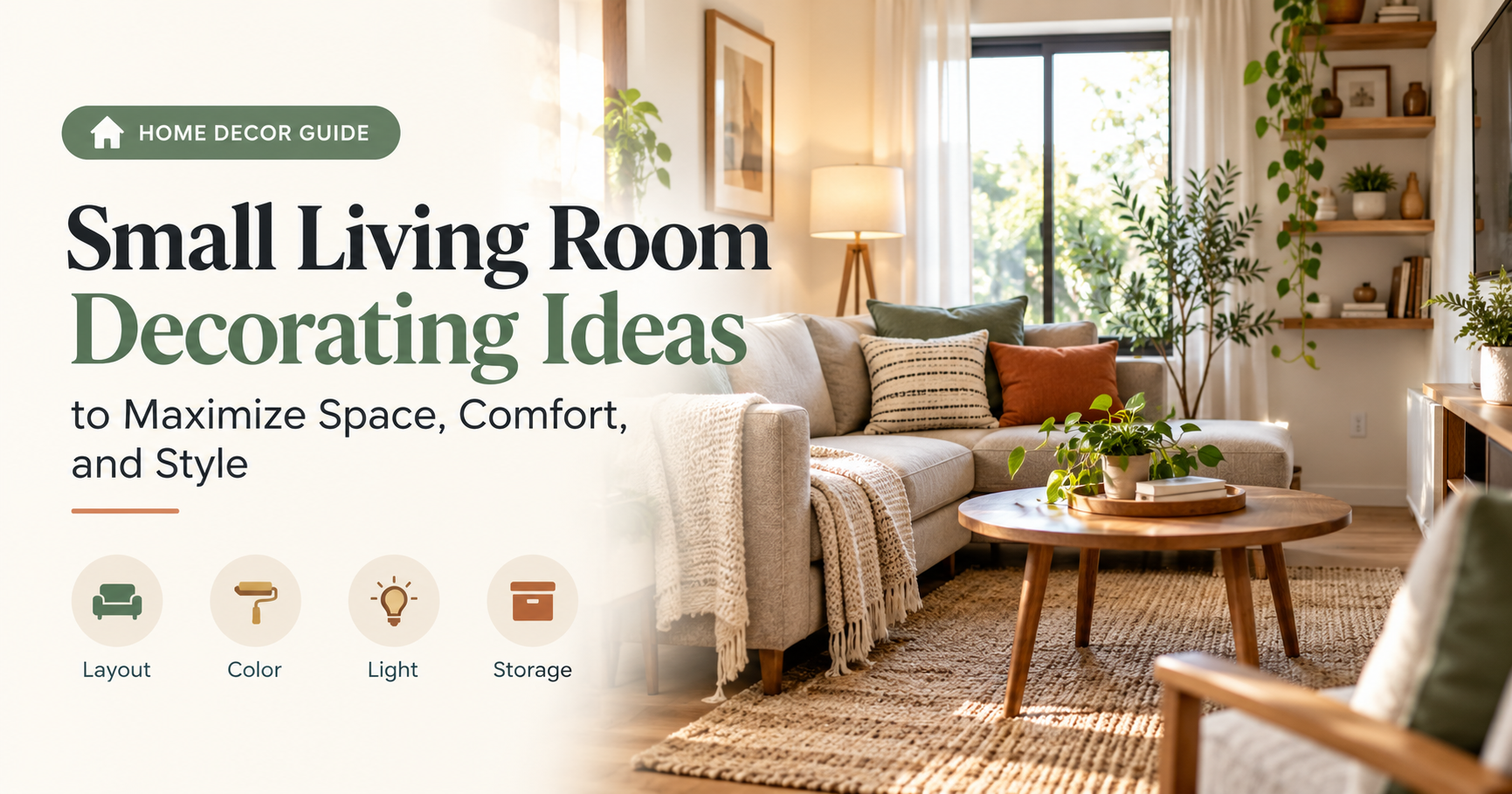
A small living room is not a problem to fix. It is a design challenge, and a rewarding one. With the right color palette, a smarter layout and a few clever tricks, even a compact room can feel open, bright and genuinely inviting. The goal is not to cram in more. It is to make every inch work harder.
Whether you live in a city apartment, a starter home or a cozy condo, the small living room decorating ideas below will help you create a space that looks larger, stores more and still feels like you. Each idea is practical, budget-friendly and easy to adapt to your own taste.
Before You Start: Three Rules for Small Spaces
Good small-space design begins before you buy a single pillow. Keep these three rules in mind and every decision gets easier:
- Measure everything. Write down the wall lengths, ceiling height, window sizes and door swings. A sofa that fits in the store may not fit your doorway or your walkway.
- Edit first, decorate second. Remove anything you do not use or love. Fewer, better pieces always look larger than many mediocre ones.
- Scale matters more than style. Choose furniture that is proportionate to the room. Oversized pieces shrink a room, while right-sized pieces let it breathe.
1. Choose a Light, Cohesive Color Palette
Light colors reflect more natural and artificial light, which makes walls appear to recede. Soft white, warm greige, pale sage, light sand and gentle blue-gray are all reliable choices for small living rooms. A cohesive palette, where colors flow from one area to the next, also removes visual breaks that make a room feel chopped up.
Follow the 60-30-10 rule: about 60 percent of the room in a dominant light neutral, 30 percent in a secondary color such as your sofa or curtains, and 10 percent in a bold accent through pillows, art or a vase. If you love dark colors, use them in small doses or commit fully to one moody, cocoon-like wall. Just keep the ceiling light.
Pro tip: Paint the trim, walls and ceiling in slightly different shades of the same color family. The subtle layering adds depth without adding visual clutter.
2. Use Mirrors to Bounce Light Around
A well-placed mirror is the most affordable way to double the feeling of light and depth. Hang a large mirror directly opposite or at an angle to a window so it captures daylight and pushes it deeper into the room. A tall leaner mirror, a round statement mirror above a console, or a grouping of smaller mirrors can all work.
Avoid placing a mirror where it reflects clutter, a blank corner or a busy hallway. Always check what the mirror will show you before you hang it.
3. Pick a Layout That Keeps Walkways Open
In a small living room, circulation is everything. Aim for a clear walkway of about 30 to 36 inches (roughly 76 to 91 cm) through the main traffic path, and keep the coffee table about 14 to 18 inches from the sofa so it stays reachable without crowding your knees.
Consider these layout strategies:
- Float a loveseat or apartment-size sofa instead of pushing every piece against the wall. Even a few inches of breathing room looks intentional.
- Angle one chair toward the sofa to create a conversation zone and soften the room’s corners.
- Choose a round table. With no sharp corners to bump into, it keeps traffic flowing.
- Keep one wall mostly clear so your eye has somewhere to rest.
4. Choose Right-Sized, Multifunctional Furniture
In a compact space, each piece should earn its place, ideally by doing two jobs. Look for furniture that works hard without looking bulky:
- Storage ottomans that serve as seating, a footrest and a hidden place for blankets and remotes.
- Nesting tables that spread out for guests and tuck away when you need floor space.
- A lift-top coffee table that turns into a laptop desk or dining surface.
- Sleeper sofas or daybeds if your living room doubles as a guest room.
- Slim console tables behind the sofa for lamps, plants and everyday essentials.
5. Go Vertical with Smart Storage
When floor space is limited, use your walls. Vertical storage draws the eye upward, which makes the ceiling feel higher and the room feel taller. Tall, narrow bookcases, wall-mounted floating shelves and over-the-door organizers all add storage without taking up your precious square footage.
Keep shelves tidy by mixing books with a few meaningful objects, a plant and baskets that hide everyday clutter. Leave some empty space on every shelf. Negative space gives the eye a rest and keeps shelving from looking heavy.
6. Layer Your Lighting
Relying on a single overhead light flattens a small room and creates harsh shadows. Layer three types of light instead:
- Ambient: overall illumination from a ceiling fixture or a flush-mount light.
- Task: focused light from a floor lamp or an arc lamp beside a reading chair.
- Accent: a table lamp, LED strip or picture light that adds warmth and highlights favorite details.
Pro tip: Use warm white bulbs (around 2700K to 3000K) for a cozy living room feel, and add dimmers wherever possible so you can change the mood in seconds.
7. Get the Rug Size Right
A tiny rug that floats in the middle of the room makes the space look smaller and more chopped up. The better approach is to go as large as your layout allows. In most small living rooms, a 5×8 or 6×9 foot rug works well, with at least the front legs of your sofa and chairs resting on it. This ties the seating area together and makes the whole room feel bigger and more cohesive.
Choose a low-pile rug in a light or softly patterned design. Low pile is easier to clean and keeps doors and furniture moving smoothly.
8. Hang Curtains High and Wide
Mounting your curtain rod closer to the ceiling, and extending it 8 to 12 inches beyond each side of the window frame, makes windows look larger and the ceiling look taller. Let the panels fall to just above the floor or kiss it lightly. Light, airy fabrics such as linen or cotton voile allow daylight to pour in, while a simple, solid color keeps the look calm.
9. Choose Furniture with Exposed Legs
Sofas, chairs and tables on slim legs let you see the floor underneath, and more visible floor means the room reads as more spacious. Mid-century style, tapered-leg designs are a popular choice for small living rooms because they look light even when they are fully functional. Skirted or heavy, boxy pieces tend to feel visually heavy in a tight room.
10. Add Glass, Acrylic and Light Materials
Transparent and reflective materials take up physical space but very little visual space. A glass-top coffee table, acrylic accent chairs, metal-framed shelving and open-weave baskets all let light pass through. Pair them with natural textures such as light wood, rattan or linen for a look that feels warm rather than cold.
11. Define Zones in Open-Plan Spaces
If your living room flows into a dining or work area, use simple cues to separate the zones without building walls. A rug under the seating group, a different pendant light over each area, or a console table placed behind the sofa can all create a gentle boundary. Each area then feels purposeful, and the whole space looks more organized.
12. Bring in Greenery Without Losing Floor Space
Plants add life, color and fresh air, but large floor planters can eat up room. Try these space-saving options:
- Hanging planters or macramé hangers near a window.
- Wall-mounted planters or a small vertical garden.
- Trailing plants on top of bookcases or tall cabinets.
- A single tall plant, such as a fiddle-leaf fig or snake plant, in a bare corner.
If you do not have a green thumb, high-quality faux plants and low-maintenance varieties are easy ways to get the same effect.
13. Style Your Walls with Intention
A few oversized pieces of art look more confident than many tiny frames scattered across a wall. Choose one large statement piece above the sofa, or build a tidy gallery wall with consistent frame colors and even spacing. Hang art slightly lower than you think you should, with the center around eye level (roughly 57 inches from the floor), so it feels connected to the furniture beneath it.
14. Hide the Clutter
Visual clutter is the fastest way to make a small room feel crowded. Give every item a home, and choose closed storage over open storage for the things you use daily but do not want to display:
- Woven baskets or lidded boxes for throws, toys and magazines.
- A media console with doors to hide cables, consoles and routers.
- Under-sofa storage bins or a sofa with built-in drawers.
- A slim entry shelf or tray for keys, mail and everyday items.
Do a quick five-minute reset every evening. Small, consistent habits do more for a small space than a once-a-month deep clean.
15. Add Texture, Not Bulk
A small room in one flat color can feel lifeless. Bring in interest through texture rather than extra furniture. Think chunky knit throws, linen pillows, a boucle chair, a woven basket and a ceramic lamp. Layered textures in the same color family add richness and depth while keeping the room calm and uncluttered.
Small Living Room Furniture Buying Checklist
Before you buy anything new, use this quick checklist to make sure each piece suits your space. It is especially helpful when you are comparing several options online.
| Item | What to Look For | Ask Yourself |
|---|---|---|
| Sofa or loveseat | Slim arms, raised legs, compact depth; usually 60 to 80 inches wide | Does it fit through the door and stairway? |
| Accent chair | Small footprint, swivel base or armless design | Can it be moved easily when needed? |
| Coffee table | Round or oval, lift-top or nesting set | Is there at least 14 inches to the sofa? |
| Storage | Tall and narrow, with doors or baskets | Is it deeper than 14 inches? Slimmer is better. |
| Rug | 5×8 or 6×9 feet, low pile, light tone | Do the front legs of the sofa rest on it? |
| Lighting | Floor lamp, table lamp and a dimmable overhead light | Are there at least three sources at different heights? |
Common Small Living Room Mistakes to Avoid
- Buying oversized furniture. A massive sectional may be comfortable, but it can swallow the room.
- Pushing everything against the walls. This often makes a room feel like a waiting area rather than a cozy space.
- Using one tiny rug. It visually breaks the room up and makes it look smaller.
- Ignoring vertical space. Walls are your biggest unused storage opportunity.
- Overdecorating. Too many small accessories create visual noise. Choose fewer, larger and more meaningful pieces.
- Relying on a single light source. Layered lighting is what gives a room warmth and depth.
Easy Budget Upgrades That Make a Big Difference
You do not need a full renovation to see a dramatic change. These quick, low-cost updates deliver the biggest visual impact:
- Repaint in a lighter shade or refresh just one accent wall.
- Swap heavy curtains for light, floor-length panels hung higher.
- Replace bulky furniture with one smart, right-sized piece.
- Add a large mirror opposite your main window.
- Swap harsh bulbs for warm, dimmable ones and add a lamp or two.
- Declutter surfaces and group accessories in odd numbers, such as three.
Frequently Asked Questions
What color makes a small living room look bigger?
Light, warm neutrals such as soft white, cream, greige and pale sage tend to make small rooms feel larger because they reflect more light. Painting the walls, trim and ceiling in closely related shades can also help blur the room’s edges.
Should I use a big or small sofa in a small living room?
Choose a proportionate sofa. An apartment-size sofa or loveseat with slim arms and exposed legs usually works better than a large sectional because it leaves room for walkways and other seating.
How do I make a small living room look cozy, not cramped?
Layer your lighting, add soft textures such as throws and pillows, use a right-sized rug and keep surfaces clear. Cozy comes from warmth and comfort, not from filling every corner.
Can I use dark colors in a small living room?
Yes. Dark colors can make a small room feel intimate and sophisticated if you do it intentionally. Pair them with good lighting, mirrors and lighter furniture so the space does not feel heavy.
Where should the TV go in a small living room?
Mount it on the wall to save floor space, or place it on a slim, low console. Aim to keep the center of the screen near eye level when you are seated.
How can I add storage without making the room feel full?
Use vertical space with tall bookcases and floating shelves, choose furniture with built-in storage such as ottomans and benches, and hide everyday items in closed baskets or cabinets.
Final Thoughts
Decorating a small living room is really about making smart, intentional choices. Start with light colors and good lighting, choose right-sized and multifunctional furniture, use your walls for storage and keep the layout open. Add texture, a mirror and a little greenery, and your compact space can feel bigger, brighter and far more welcoming.
You do not have to do everything at once. Pick two or three ideas from this list, try them this weekend and build from there. Small changes add up quickly, and before long your small living room will become the space you love most in your home.