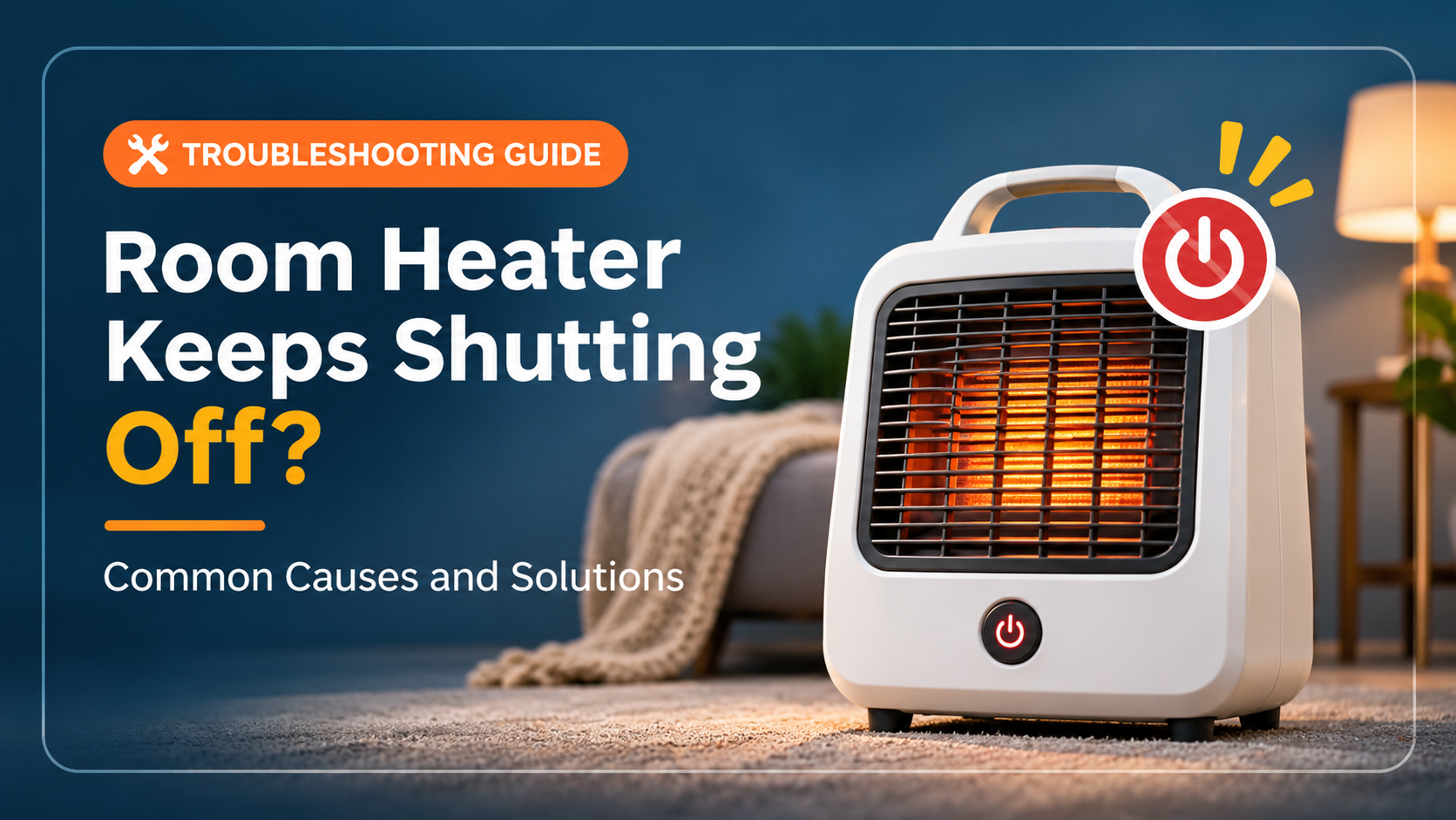
You switch on your room heater, the room starts to warm up, and then, click, it shuts off. You turn it back on, and a few minutes later it does the same thing. It is frustrating, especially on a cold night, and it is natural to wonder whether the heater is broken or even dangerous.
The good news is that in most cases a room heater that keeps shutting off is doing exactly what it was designed to do: protecting you and your home. Modern heaters have several built-in safety systems, and any one of them can cut the power when something is not right. In this guide you will learn the most common reasons, how to fix each one safely, when it is time to replace the heater, and what features to look for in your next one.
Why Does a Room Heater Shut Off by Itself?
A heater is one of the highest-wattage appliances in a home. Because it produces so much heat, manufacturers add automatic safety cut-offs. When a sensor detects a risk (too much heat, an unstable position, or an electrical problem) it interrupts the power. That is why the heater may run for 2 minutes, 10 minutes or 30 minutes and then stop, depending on which protection is triggered.
7 Common Reasons a Room Heater Keeps Shutting Off
1. Overheat Protection Is Being Triggered
This is the number one cause. Almost every modern heater has a thermal cut-off that switches the unit off when internal temperature rises too high. Once it cools, the heater may restart on its own or need to be reset manually.
What causes overheating?
- Dust and pet hair clogging the air intake or the heating element.
- Vents blocked by curtains, blankets, furniture or clothes.
- A fan that is slow, noisy or no longer spinning (in fan heaters).
- Running the heater in a very small, enclosed space with no air movement.
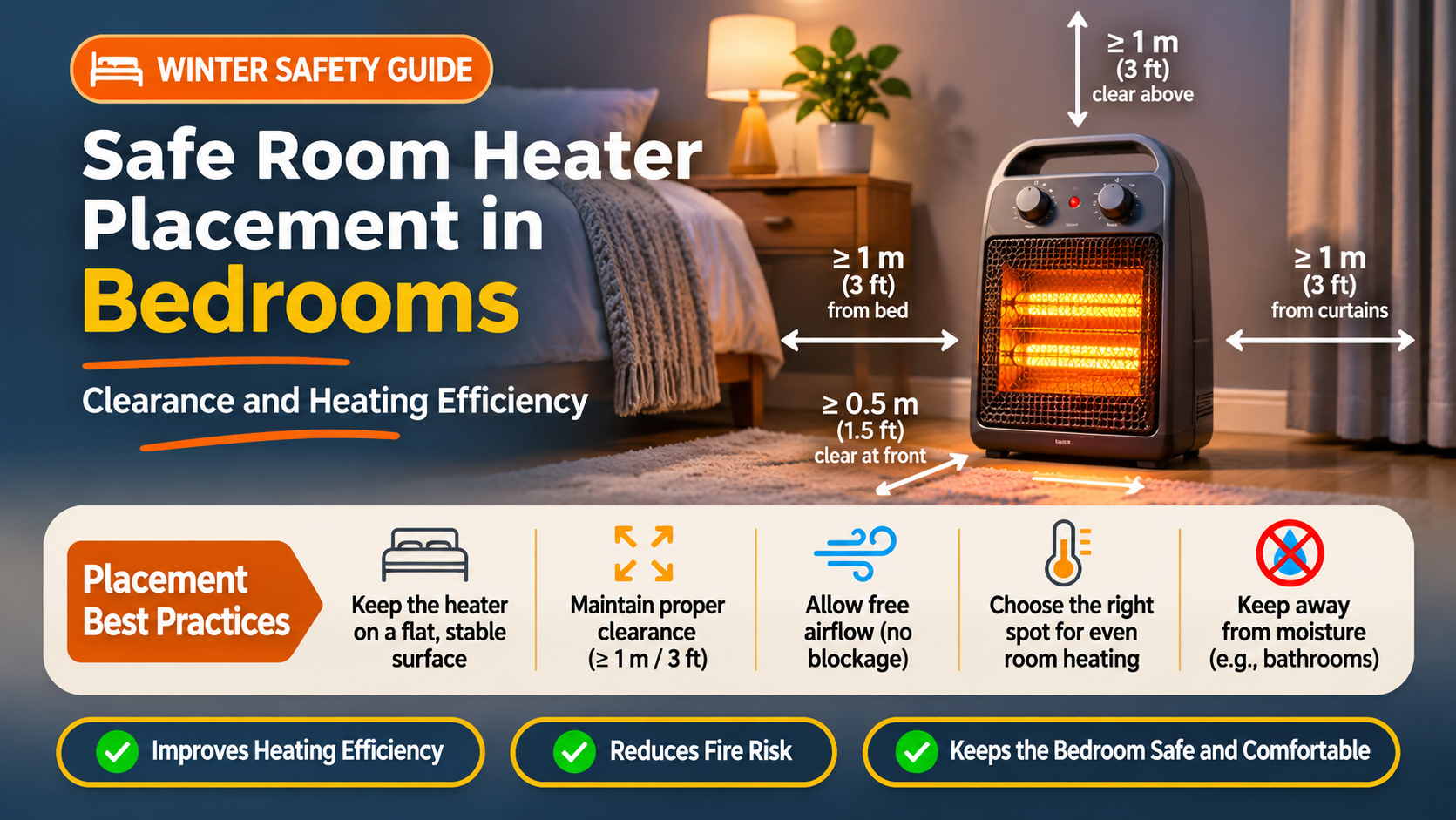
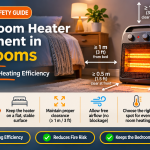
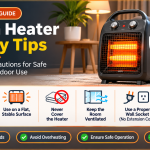
The fix: Unplug the unit, wait at least 30 minutes, then clean the vents and grille with a soft brush or a vacuum with a brush attachment. Make sure nothing sits within 3 feet (about 1 metre) of the front, sides and top of the heater.
2. The Tip-Over Safety Switch Is Activated
Most heaters contain a tilt or tip-over switch that cuts power if the unit is knocked over. If the heater sits on thick carpet, an uneven floor or a soft surface, the switch may think it is tilting and turn the heater off repeatedly. Dust or debris can also jam the switch.
The fix: Place the heater on a hard, flat, level surface. Never put it on a bed, sofa or stack of items. If the switch seems stuck, gently tilt the unplugged heater a few times and clean around the base. If it still does not work, the switch needs professional replacement.
3. Overloaded Circuit or Tripped Breaker
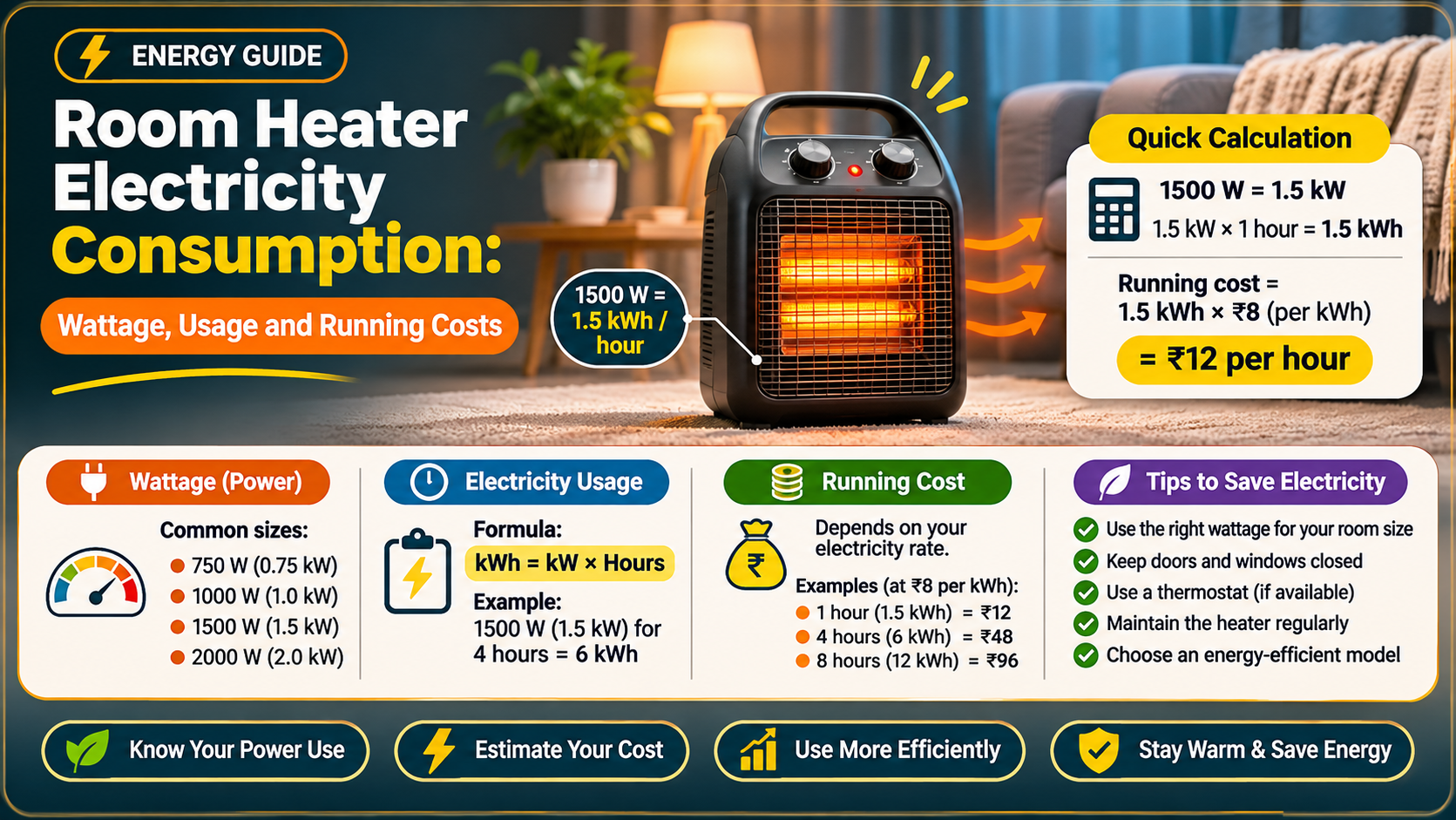
Room heaters typically draw between 750 and 2,000 watts. That is a heavy load. If other high-power devices share the same circuit (an iron, microwave, hair dryer, air conditioner or kettle), the circuit breaker can trip and the heater suddenly goes dead. In this case the heater itself is not at fault; the whole outlet loses power.
The fix: Run the heater on its own outlet, without sharing the circuit with other heavy appliances. Check the wattage on the heater’s label and compare it with your breaker rating. If the breaker keeps tripping even with the heater alone, ask a licensed electrician to inspect the wiring.
4. Extension Cord, Power Strip or Loose Plug
Heaters should be plugged directly into a wall socket. Ordinary extension cords and multi-plug boards are not built for such a continuous high load. They can heat up, develop poor contact and cause the heater to flicker on and off. Many heaters also have a plug that warms up when the connection is loose, which can trigger a safety shut-off or become a fire hazard.
The fix: Use a wall socket directly. If the plug feels hot, is discoloured or fits loosely, stop using that socket and have the plug or outlet replaced.
5. Thermostat, Timer or Eco Mode Settings
Sometimes the heater is working perfectly. Once the room reaches the temperature set on the thermostat, the heater switches off, and turns on again when the room cools. Other possible reasons include:
- An auto shut-off timer that was set accidentally (many models offer 1 to 12 hour timers).
- Eco or energy-saving mode, which cycles the heater on and off to save power.
- The thermostat dial set too low for the room size.
- A thermostat placed close to the heating element, which “senses” heat too early and switches off.
The fix: Check the display or dial, disable the timer, and increase the temperature setting. Check the manual to see how eco mode behaves.
6. Faulty Thermostat or Thermal Fuse
Over time, internal parts wear out. A damaged thermostat may read the wrong temperature, while a blown thermal fuse (a one-time safety part) can cut power permanently or intermittently. Signs include a heater that shuts off within a few seconds, never reaches the set temperature, or does not turn on at all.
The fix: These parts are inside the casing and must be replaced by a qualified technician. For low-cost heaters, replacement is often cheaper than repair.
7. Fan or Heating Element Problems
In fan and ceramic heaters, the fan moves air across the hot element. If the fan motor is weak, jammed or covered in dust, heat builds up and the overheat sensor shuts the heater down. In oil-filled radiators, low oil, a faulty thermostat or a damaged element can lead to unusual cycling. Gas and kerosene heaters have an additional oxygen depletion or flame sensor that shuts off the unit when it detects poor combustion.
The fix: Listen for fan noise, check that the blades spin freely and clean them when the heater is unplugged. For gas or kerosene units, ensure the room is ventilated and have the sensor and burner inspected by a professional only.
Quick Diagnosis: Match the Symptom to the Cause
| What You Notice | Most Likely Cause | Best First Step |
|---|---|---|
| Shuts off after 5 to 20 minutes, restarts after cooling | Overheating | Clean vents, clear space around it |
| Shuts off when moved or on carpet | Tip-over switch | Use a flat, hard surface |
| Power goes off in the whole room or outlet | Tripped breaker, overloaded circuit | Use a dedicated outlet |
| Flickers or plug feels hot | Extension cord or loose socket | Plug into the wall directly, inspect the plug |
| Turns off once the room feels warm | Thermostat doing its job | Raise the temperature setting |
| Shuts off after exact intervals (1h, 2h…) | Timer or eco mode | Disable the timer |
| Shuts off within seconds, no heat | Thermal fuse or thermostat failure | Professional repair or replacement |
Step-by-Step: How to Fix a Heater That Keeps Turning Off
- Unplug the heater and let it cool completely for at least 30 minutes.
- Inspect the cord and plug for damage, heat marks or loose fit.
- Move the heater to a hard, level floor, at least 3 feet (1 metre) from anything flammable.
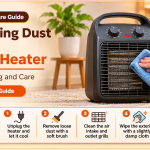
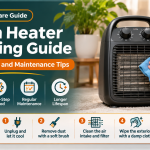
- Clean the vents, grille and filter with a soft brush or vacuum. Wipe the exterior with a dry cloth.
- Check the settings: temperature, timer, eco mode and oscillation.
- Plug it directly into a wall outlet that is not shared with other heavy appliances.
- Test it for 20 to 30 minutes while you stay in the room.
- If it still shuts off, stop using it and contact the manufacturer, an authorised repair centre or an electrician.
Cleaning Checklist to Prevent Shut-Offs
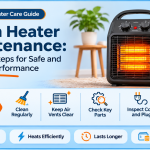
Routine maintenance prevents most overheating problems. Make these simple habits part of your winter routine.
Heater Safety Rules You Should Never Ignore
- Never leave a heater running while you sleep or when you leave home, unless it is clearly rated for unattended use.
- Never dry clothes, towels or shoes on or near a heater.
- Never bypass or tape down a safety switch, and never use a heater with a damaged cord.
- Keep children and pets away from hot surfaces.
- Install a smoke alarm in the room, and a carbon monoxide detector if you use gas, kerosene or any fuel-burning heater.
- If a safety feature keeps shutting your heater off, treat it as a warning, not an inconvenience.
When Should You Replace Your Room Heater?
Consider replacing the heater instead of repairing it if:
- It is more than 5 to 7 years old and shows repeated shut-offs.
- The cord, plug or casing is melted, cracked or discoloured.
- It shuts off within seconds of starting even after cleaning.
- The repair cost is more than half of the price of a new unit.
- The model lacks modern safety features such as tip-over protection and overheat protection.
What to Look for in a Reliable Replacement Heater
If you are shopping for a new heater, choose one that avoids the problems above. These features make a real difference in day-to-day reliability.
| Feature | Why It Matters |
|---|---|
| Overheat and tip-over protection | Essential safety layers; look for certified models. |
| Adjustable thermostat | Keeps temperature steady and reduces needless cycling. |
| Washable or easy-clean filter | Dust build-up is a leading cause of overheating. |
| Right wattage for the room | A rough guide is about 10 watts per square foot of floor area. |
| Quality power cord and plug | A thick, well-fitted cord reduces heat at the connection. |
| Heater type | Oil-filled for steady, quiet heat; ceramic fan for fast warm-up; panel or infrared for focused heating. |
| Warranty and service support | A 1 to 2 year warranty gives peace of mind. |
Frequently Asked Questions
Why does my room heater turn off after a few minutes?
The most likely reasons are overheat protection due to dust or blocked airflow, a tripped tip-over switch, or a circuit that is overloaded. Clean the unit, place it on a flat surface and plug it directly into the wall.
Is it safe to keep resetting a heater that shuts off?
No. Occasionally restarting after fixing an obvious cause (such as a blocked vent) is fine, but repeatedly resetting a heater without finding the cause can be dangerous. The shut-off is a protection feature.
Why does my heater turn off when it gets warm in the room?
This is usually the thermostat working normally. When the room reaches the set temperature, the heater turns off and restarts when it cools. Increase the thermostat setting if you want it to run longer.
Can an extension cord make a heater shut off?
Yes. Extension cords and power strips can overheat or lose contact under a heavy load, causing interruptions and creating a fire risk. Always plug a heater directly into a wall socket.
How do I reset my room heater?
Unplug it, wait 15 to 30 minutes for it to cool, check that nothing is blocking the vents, then plug it back in and turn it on. Some models have a dedicated reset button; check your manual.
Why does my oil-filled heater keep turning off?
Oil-filled heaters often cycle off when the thermostat is satisfied. If it shuts off too early, the thermostat may be faulty or the unit may be overheating because it is too close to a wall or covered with fabric.
How long should a room heater last?
With regular cleaning and proper use, most electric room heaters last 5 to 10 years. Cheap models may fail sooner, especially if they are used for many hours a day.
Final Thoughts
A room heater that keeps shutting off is rarely a mystery. In most cases the cause is simple: dust, blocked vents, an uneven surface, an overloaded outlet or a setting that was changed by accident. Work through the checks in this guide, starting with the easiest, and you will often have your heater running reliably again in minutes.
If the problem continues after you have cleaned the heater and checked the power source, do not ignore it. Repair or replace the heater, and choose a model with strong safety features, a reliable thermostat and the right wattage for your room. A safe, steady heater is always worth more than a cheap one that keeps cutting out.
Disclosure: This article is for general information only and does not replace professional electrical advice. If you notice burning smells, sparks or overheated plugs, stop using the appliance and consult a qualified electrician.